

The Science Behind the Drama
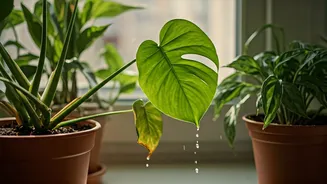
That dramatic wilting you see is a plant’s version of shouting, “I’m thirsty!” In the summer, this happens more frequently and intensely for a simple reason: transpiration. Think of it as plant sweat. Plants pull water from the soil up through their roots
and release it as vapor through tiny pores in their leaves, called stomata. This process cools the plant and helps move nutrients. When the weather is hot and the sun is bright, transpiration speeds up dramatically. Your plant is essentially losing moisture to the atmosphere faster than its roots can absorb new water. The leaves and stems lose their internal water pressure (turgor), causing them to droop. This isn't just for show; it’s a survival tactic. A wilted plant exposes less surface area to the sun, reducing further water loss. When you finally give it a drink, the cells reinflate, and it perks back up, finishing the performance.
The Underwatering vs. Overwatering Trap
Here's where many well-intentioned plant parents go wrong. You see a wilting plant and immediately reach for the watering can. Often, that’s the right move. But wilting can also be a sign of overwatering. If a plant's soil is constantly saturated, the roots can't get oxygen. They begin to rot, losing their ability to absorb water and nutrients. The result? The plant wilts because it’s thirsty, even though it's sitting in a swamp. So how do you tell the difference? The soil is your best clue. Stick your finger two inches deep. If the soil is bone-dry, your plant is underwatered and needs a drink. If the soil is damp or soggy and the plant is still wilting, you likely have a root rot problem on your hands. In that case, adding more water is the worst thing you can do. You’ll need to let the soil dry out completely and potentially repot the plant in fresh, well-draining soil after trimming away any mushy, brown roots.
Mastering the Summer Watering Routine
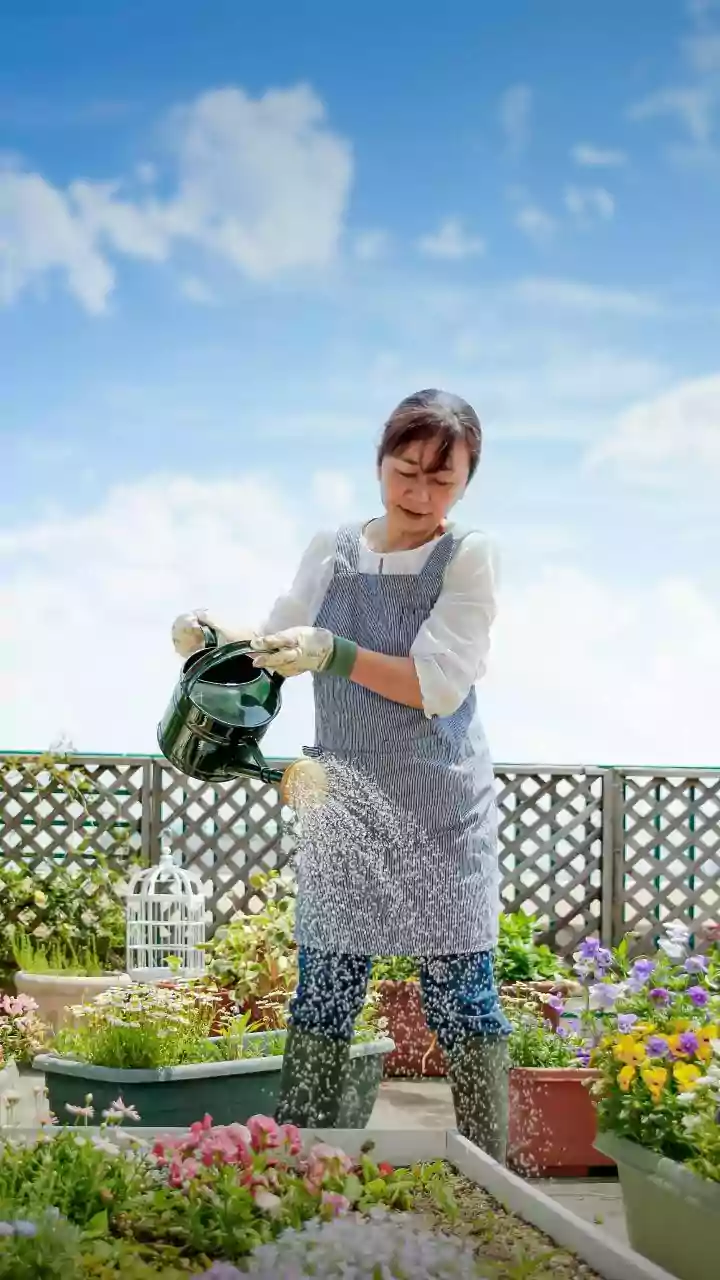
Forget a rigid schedule like “water every Saturday.” In summer, your plants’ needs are constantly changing. The best approach is observation. Get in the habit of checking the soil every few days. Besides the finger test, you can also judge by weight. A pot with dry soil will feel significantly lighter than one with moist soil. When it is time to water, do it thoroughly. A small splash on the surface won't reach the roots where it's needed. Water until it flows freely from the drainage holes at the bottom of the pot. This ensures the entire root ball gets hydrated. For an even more effective method, try bottom watering. Place your pot in a sink or tray filled with a few inches of water. Let the plant soak up water through its drainage holes for 20-30 minutes, or until the top of the soil is moist. This encourages deeper root growth and prevents dry pockets in the soil.
What About an Actual Summer Shower?
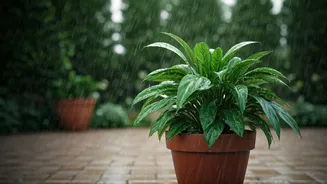
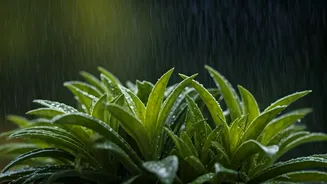
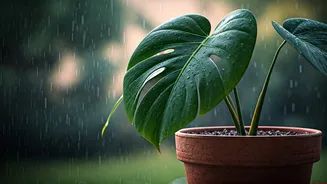
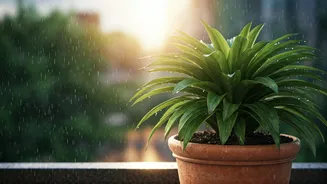
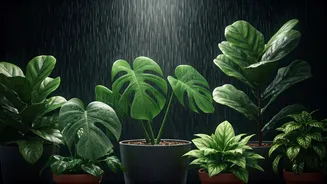
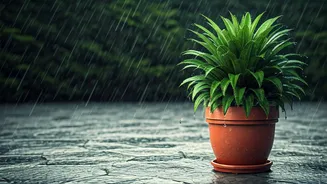
Taking the headline literally for a moment: should you put your plants outside for a real summer shower? It can be a fantastic spa day for many houseplants. Rainwater is naturally soft, slightly acidic, and free of the chlorine and minerals found in tap water. It also contains nitrates, a form of nitrogen that plants can readily use, which acts as a gentle fertilizer. However, there are risks. A torrential downpour can flood a small pot, leading to overwatering. Also, bringing outdoor pests like spider mites or aphids back inside is a real concern. If you do give your plants a rain bath, make sure they aren't left in direct, scorching sun afterward, as wet leaves can be more susceptible to sunburn. A gentle rinse on a covered porch during a light shower is often the safest bet. Check them for any unwanted hitchhikers before bringing them back inside.