




Discovering India's Coffee Country
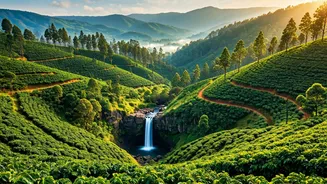
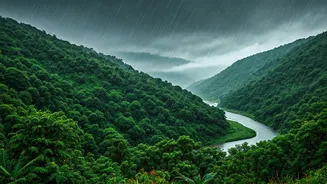
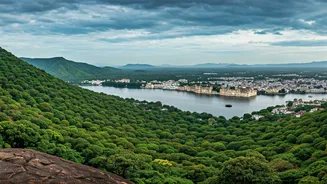
Tucked away in the Western Ghats mountain range in the southern state of Karnataka, the region of Kodagu, better known by its anglicized name Coorg, is a world away from the bustling chaos often associated with India. This is a land of rolling emerald
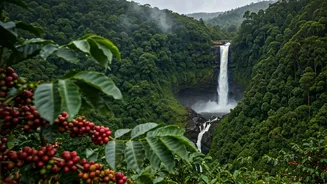
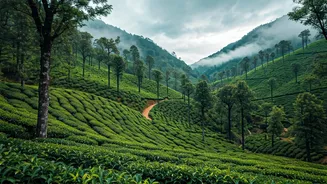
hills, dense forests, and a perpetually cool climate that earned it the moniker “the Scotland of India.” But its true claim to fame is coffee. Coorg is the country's largest coffee-producing region, and its landscape is dominated by sprawling plantations where high-quality Arabica and Robusta beans are cultivated under the shade of massive native trees. For decades, this unique agro-ecosystem has drawn travelers seeking tranquility and a deep connection with nature.
What Is a Plantation Walk?
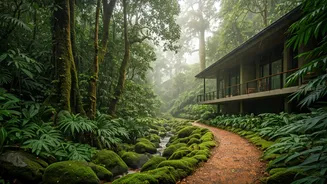
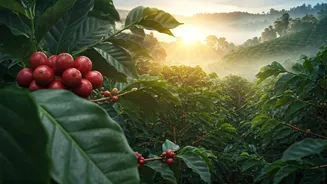
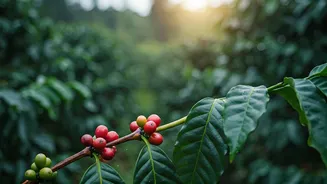
This is no simple stroll in the park. A plantation walk in Coorg is an immersive, multi-sensory journey into the heart of coffee and spice cultivation. Led by naturalists or generational planters, these walks guide you through the intricate ecosystem of a working estate. You’ll learn to distinguish between coffee varietals, see how pepper vines snake their way up silver oak trees, and spot the bright red berries of ripening coffee cherries. Depending on the season, you might witness the fragrant coffee blossoms (typically blooming in March) or see the harvest in full swing (from November to February). It’s an educational experience that connects you directly to the source of your morning brew, often ending with a fresh cup of estate-grown coffee. These walks also offer incredible opportunities for bird-watching, with hundreds of species making their homes in the plantation canopy.
The 'Resort Wars' Fueling Affordability
For years, these guided walks were either exclusive to guests of high-end resorts or offered as a pricey, à la carte activity. That's beginning to change, thanks to a classic case of supply and demand. The headline’s “resort wars” refers to the heightened competition among Coorg’s hospitality providers. As the region’s popularity has grown, it has seen a boom in new accommodations, from ultra-luxury resorts like Evolve Back and The Tamara to a flourishing ecosystem of charming, family-run homestays and boutique guesthouses. To stand out in a crowded market, hotels can no longer rely on just a comfortable room and a good view. They need to offer value and unique experiences. As a result, many properties are now bundling plantation walks into their standard room rates or offering them at a significantly reduced cost to entice guests. What was once a premium add-on is becoming a competitive necessity.
How Travelers Win
This competitive environment is a clear win for travelers. The trend isn't just about making things cheaper; it's about making them more accessible and integrated. At the luxury end, resorts are curating more elaborate experiences—combining walks with coffee tasting sessions, bird-watching tours, or even interactive cooking classes using estate-grown spices. For the more budget-conscious traveler, the real victory lies with the homestays. To compete with the big resorts, many local families who run stays on their own small plantations are now offering personal, authentic walks as a key part of the package. This provides an incredible opportunity to learn about the coffee-growing life directly from the source, far from a polished corporate presentation. This means travelers of all budgets can now easily and affordably access the quintessential Coorg experience.