








The Magic of the Shoulder Season
Every iconic travel destination has a secret window—a time when the weather is still beautiful, the crowds have thinned, and the prices have tumbled. For Goa, that window is early June. This is the ‘shoulder season,’ a magical period that sits between
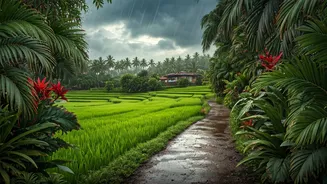
the dry, scorching heat of May and the full onset of the heavy monsoon rains that typically arrive mid-month. You’re trading the guaranteed, blistering sunshine of peak season for something far more interesting: a landscape on the verge of transformation. The first intermittent showers, known as pre-monsoon rains, wash the dust from the palm trees, cool the air, and turn the paddy fields a vibrant, almost neon green. The atmosphere is electric, expectant. It’s a time of transition, and for the traveler who values atmosphere over a guaranteed tan, it’s pure gold.
Your Wallet Will Thank You
Let’s get to the main event: the deals. The headline doesn’t lie. By early June, the charter flights from Europe and Russia have long gone home, and the domestic tourist rush has subsided. Hotel and guesthouse owners, facing a quieter period before the monsoon lull, slash their rates. This isn’t a minor 10% discount; it’s a wholesale recalibration of value. Boutique hotels that command premium prices in January suddenly become accessible. That private villa with a plunge pool you screenshotted on Instagram? It might now be within your budget. You’ll find you have more bargaining power at local markets and that scooter rentals are a fraction of their peak-season cost. It’s simple supply and demand. You are the demand, and in early June, the supply is very, very happy to see you. This financial freedom allows you to upgrade your experience, stay longer, or simply enjoy a world-class destination without the financial stress.
Finding Your Vibe: North vs. South
Goa isn't a monolith; it’s a tale of two very different regions, and this is especially true in the shoulder season. North Goa, the traditional party hub centered around Baga, Calangute, and Anjuna, is noticeably quieter. While some of the mega-clubs and most famous beach shacks will have packed up for the season, the heart of the area still beats. You’ll find plenty of fantastic restaurants, bars, and shops still open, but without the chaotic throngs of people. It’s the North Goa experience with room to breathe. South Goa, on the other hand, leans into its tranquility. The serene beaches of Palolem, Agonda, and Patnem become even more idyllic. It’s the perfect time for long, uninterrupted walks on near-empty stretches of sand, enjoying the quiet hum of the few beachside cafes that remain open for the loyalists and locals. Your choice depends on your travel style: a calmer version of the party scene or a deep dive into peaceful paradise.
More Than Just the Beach
While some beach shacks may close, early June opens up a whole new set of activities that are often overlooked during the hotter, busier months. The pre-monsoon showers make it the absolute best time to explore Goa's lush interior. A visit to a spice plantation, like the Sahakari Spice Farm, is a multi-sensory experience as the smell of cardamom, vanilla, and black pepper is amplified by the humidity. The region’s famous waterfalls, such as Dudhsagar Falls, begin to regain their power and grandeur after the dry season. It’s also the ideal time for cultural exploration. Wander the colorful, Portuguese-influenced lanes of Fontainhas in the capital city of Panjim without the oppressive heat. Explore the magnificent cathedrals of Old Goa, a UNESCO World Heritage site, without having to jostle for position. You’re not just getting a cheaper beach vacation; you’re getting a richer, more diverse Goan experience.