







The Perfect Storm of Value and Authenticity
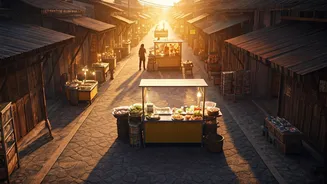
Why has the humble street food tour become the season’s hottest ticket? It’s a perfect convergence of what modern travelers crave: authenticity, affordability, and adventure. In an era of curated-for-Instagram experiences, street food offers something
undeniably real. It’s the food locals actually eat, prepared right in front of you with generations of expertise. And the value proposition is unbeatable. For the price of a single mediocre meal in a tourist trap, you can sample a dozen different dishes on a guided tour, each a window into the local culture. This isn’t just about saving money; it’s about spending it on what truly matters—flavor, connection, and discovery.
Bangkok, Thailand: The Gold Standard
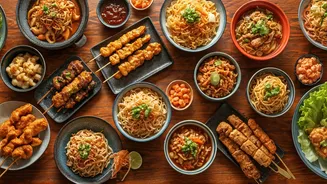
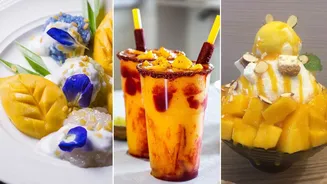
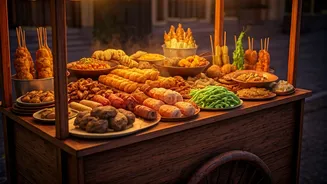
When you think of street food, you think of Bangkok. The city is a sprawling, 24/7 culinary theme park where every alleyway seems to hold a new delight. A good tour here is essential, helping you navigate the glorious chaos. Guides will steer you away from the generic Pad Thai stands and toward neighborhood specialists: a grandmother who has perfected her boat noodle soup (kuaitiao ruea) over 40 years, a vendor whose crispy pork belly (moo krob) draws block-long lines, or the ultimate mango sticky rice (khao neow mamuang) that redefines dessert. It’s a sensory overload in the best possible way, a symphony of sizzling woks, fragrant spices, and the happy chatter of diners perched on plastic stools.
Hanoi, Vietnam: A Symphony of Flavor
Hanoi’s street food scene is a masterclass in texture and balance. The city’s Old Quarter is a maze of culinary treasures, and a walking tour is the key to unlocking its secrets. Here, the experience is less about frantic energy and more about finding the perfect bowl. Your guide might lead you to a tiny storefront for a life-changing bowl of pho, its broth simmered for hours to achieve an impossible depth of flavor. Next, you could be sampling bun cha, the grilled pork and noodle dish that famously captivated Anthony Bourdain. And of course, there’s the French-colonial influence, seen in the ubiquitous banh mi sandwiches and creamy egg coffee (ca phe trung), a uniquely Hanoian treat that tastes like liquid tiramisu.
Penang, Malaysia: The Culinary Crossroads
Located on the Strait of Malacca, the island of Penang has been a cultural melting pot for centuries, and its food is a delicious reflection of that history. A street food tour in its capital, George Town (a UNESCO World Heritage site), is a journey through Malay, Chinese, and Indian flavors. One moment you're eating a flaky, savory roti canai dipped in curry, the next you're slurping down a bowl of Assam laksa, a spicy-sour fish-based noodle soup that is the island’s signature dish. Don't miss Char Kway Teow, a smoky, wok-fried noodle dish that is deceptively complex. The sheer diversity packed into this small island makes it a food lover’s paradise and a mandatory stop on any Southeast Asian culinary pilgrimage.
How to Pick the Right Tour
Not all tours are created equal. Look for small-group experiences, as they offer more personal interaction with the guide and vendors. Check reviews on sites like TripAdvisor or travel blogs for recent feedback. The best tours are run by passionate locals who aren't just reading from a script but are sharing their own culture and favorite spots. They’ll not only introduce you to the food but also teach you the etiquette—how to order, how to pay, and how to properly enjoy each dish. A great guide transforms a simple meal into a story, connecting you to the place and its people in a way you could never achieve on your own.