






From Guard Dog to Fur Baby
For generations in India, the concept of a pet was often functional: a dog to guard the house or a cat to keep mice at bay. Animals were part of the household, but the deep emotional bonding and “pet parenting” culture so common in the U.S. was largely
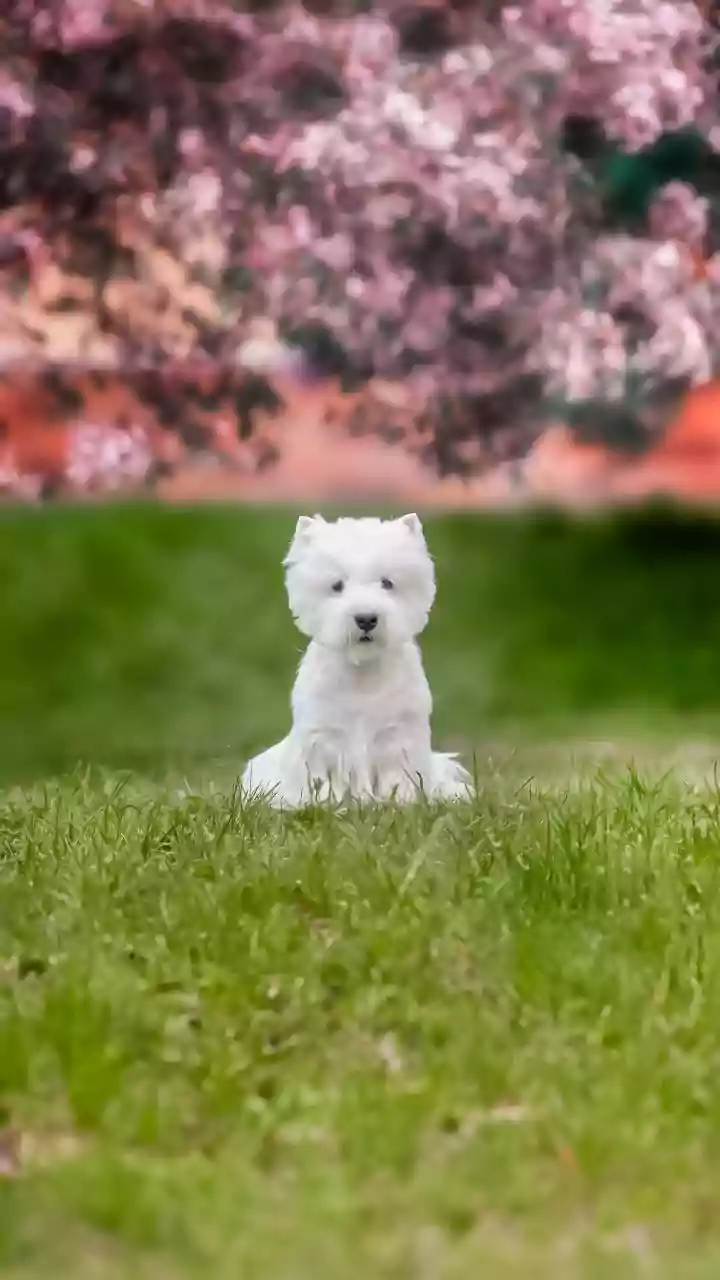
confined to a tiny elite. That is rapidly changing. Across India’s swelling cities, a cultural transformation is underway. A new generation of urban, often upwardly mobile Indians are embracing pets not as property, but as family. This phenomenon, known as “pet humanization,” is driven by several factors. As more young professionals move to cities, often far from their extended families, pets offer companionship in an increasingly nuclear family structure. Delayed marriage and parenthood also contribute, with young adults pouring their nurturing instincts and disposable income into their “fur babies.” Social media has amplified this trend, with platforms like Instagram filled with curated images of pampered pooches and coddled cats, setting new aspirational standards for pet ownership.
The Numbers Behind the Nuzzling
This cultural shift has ignited an economic explosion. The Indian pet care market, once a niche sector, is now one of the fastest-growing in the world. According to industry analysts, the market is valued at well over half a billion dollars and is projected to skyrocket, with some estimates predicting a compound annual growth rate (CAGR) of over 15-20% in the coming years. This outpaces growth in many mature Western markets. The pet population itself is expanding dramatically, especially for dogs and cats. This growth isn't just in numbers, but in the value attached to each animal. Where a simple bowl of leftovers might have once sufficed, a new standard of care has emerged, creating a powerful engine for a diverse range of businesses, from local startups to global brands looking to capture a piece of this burgeoning market.
Beyond Basic Biscuits
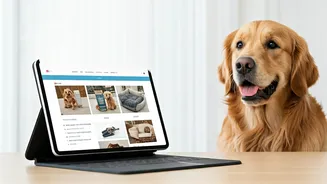
So, what are Indian pet owners spending their money on? The answer looks remarkably similar to a shopping list from a pet owner in Los Angeles or New York. The biggest driver is the “premiumization” of pet food. Generic kibble is being replaced by specialized, breed-specific, and even organic and grain-free diets. The market for treats, dental chews, and dietary supplements is also booming. But the spending doesn't stop at food. There's a growing demand for sophisticated services that were almost nonexistent a decade ago. Urban centers now boast pet grooming salons, luxury “pet hotels” for boarding, doggy daycare centers, and professional dog walkers. Veterinary care has also become more advanced and expensive, with owners willing to pay for complex surgeries, preventative care, and specialized treatments that reflect their pets’ elevated status within the family.
An Echo of the American Experience
For an American observer, this story is both foreign and deeply familiar. The evolution of India’s pet market mirrors the journey the United States took over several decades, but compressed into a much shorter timeframe. The move from the backyard to the bedroom, the rise of premium pet food brands like Blue Buffalo or Hill's Science Diet, and the explosion of services on platforms like Rover or Wag—all these U.S. trends are now playing out on the subcontinent. This parallel makes the Indian pet boom more than just a curious international story. It’s a case study in global consumer convergence, showing how rising incomes and changing social structures can create remarkably similar market dynamics, regardless of geography. It signals India's arrival as a major consumer force, where discretionary spending is increasingly directed toward lifestyle and emotional fulfillment—a trend American companies are watching with great interest.