



The Grains You've Never Heard Of
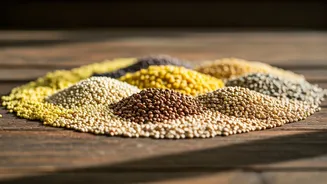
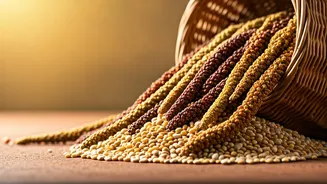
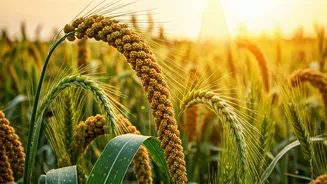
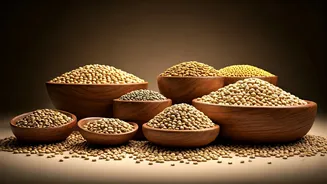
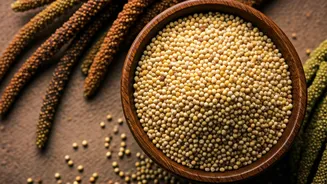
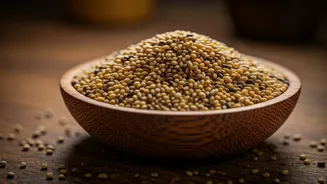
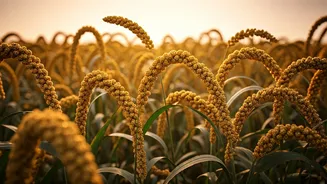
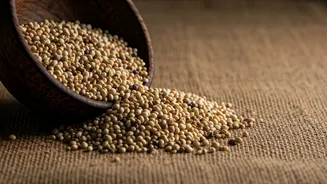
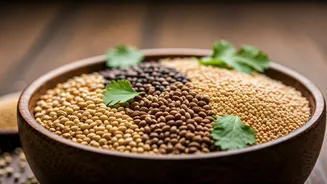
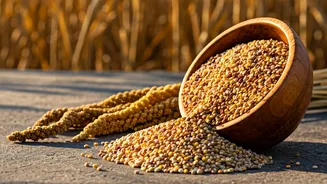
Before we get to the 'why,' let's cover the 'what.' Millets are not one single grain but a group of small-seeded grasses that have been cultivated for over 7,000 years, particularly in Asia and Africa. Think of them as a diverse family of ancient grains
that includes varieties like pearl millet (bajra), sorghum (jowar), finger millet (ragi), and foxtail millet. For centuries, they were a dietary staple in India—hearty, versatile, and deeply woven into regional cuisines. However, with the Green Revolution of the 1960s, government policies heavily favored the production of high-yield crops like rice and wheat. These subsidized, water-intensive crops pushed millets to the agricultural margins, where they were often dismissed as “coarse grains” or food for the poor. Now, a massive cultural and political shift is underway to reverse that perception and restore these grains to their former glory.
Why India Is Backing Millets
India’s promotion of millets is no passing fad; it’s a calculated, top-down strategy for national resilience. The campaign reached a global peak in 2023, which the United Nations, at India’s behest, declared the “International Year of Millets.” Prime Minister Narendra Modi personally championed the cause, with government canteens adding millets to their menus and food festivals celebrating the grain. This isn't just about nostalgia. The push is rooted in three modern-day urgencies: nutrition, farmer welfare, and climate change. Millets are powerhouses of nutrition—rich in protein, fiber, and micronutrients like iron and calcium. They offer a potent weapon against malnutrition. For farmers, they represent a more stable source of income, as they are hardier and less dependent on expensive inputs. This national effort is set to continue long past a single year, with ongoing programs aimed at boosting production and consumption through 2026 and beyond.
The Climate-Proof Superfood
Here’s where the story gets critical for the planet. Millets are what agricultural scientists call “climate-smart crops.” Compared to rice and wheat, they are exceptionally hardy. They can grow in arid, semi-arid, and drought-prone areas, requiring up to 70% less water than rice. They thrive in poor soil and are naturally more resistant to pests and diseases, reducing the need for chemical fertilizers and pesticides. In an era of unpredictable monsoons, rising temperatures, and depleted water tables, these are not just convenient traits; they are survival mechanisms. For a country like India, which faces immense pressure on its water resources and agricultural sector, promoting millets is a direct investment in food security and environmental sustainability. It’s a blueprint for adapting its food system to the realities of a changing climate.
From Indian Farms to Your Pantry?
While the domestic focus is paramount, India’s ambitions are global. The government is actively working to create international markets for Indian millets, framing them as a “superfood” for the health-conscious global consumer. This involves developing modern, consumer-friendly products like millet-based pasta, cookies, breakfast cereals, and even beer. The goal is to do for millets what Peru did for quinoa—transform a regional staple into a worldwide wellness phenomenon. So, while the spotlight is firmly on India for now, the ripple effects are intended to be felt everywhere. Don’t be surprised if you start seeing more ragi-flour pancakes on brunch menus or sorghum snacks in your local grocery aisle in the coming years. India's big bet on this humble grain could soon change the way the world eats.