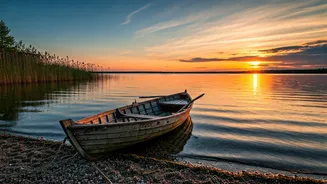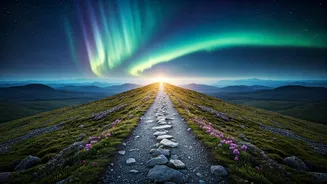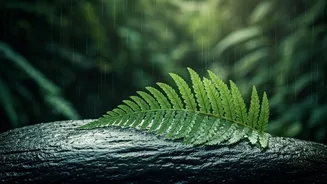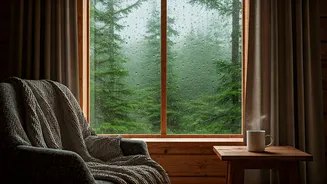





So, What Exactly Is a Mood Trip?
Imagine planning a vacation not around a place, but around a feeling. Instead of saying, “I want to go to Italy,” you say, “I want a trip that feels like a sun-drenched, lazy afternoon in a Fellini film.” That, in essence, is a mood trip. Also called
“vibe-based travel,” it’s an approach that prioritizes a desired emotional state or aesthetic over a destination’s famous landmarks. The goal isn't to check off the Colosseum or the Eiffel Tower, but to immerse yourself in a specific atmosphere. It's the difference between seeing a museum and feeling like you're living inside a painting. The destination becomes secondary to the experience you want to curate for yourself, whether that’s the cozy solitude of a remote cabin (cottagecore), the intellectual buzz of a city’s bookish cafes (dark academia), or the breezy elegance of a coastal town (coastal grandmother).
Why Are We Trading Landmarks for Vibes?
This shift isn't happening in a vacuum. For years, travel was heavily influenced by the rise of Instagram, creating a culture of “performative travel”—a race to capture the same iconic shots in the same crowded places. The result was often a hollow checklist that left many travelers feeling more exhausted than enriched. Mood tripping is the quiet rebellion against that. It’s a direct response to burnout, fueled by a collective desire for more authentic, restorative, and personal experiences. Younger generations, particularly Gen Z and millennials, are leading the charge. Having grown up online, they are acutely aware of the gap between a curated online image and genuine, real-life fulfillment. For them, travel is increasingly seen as a tool for mental wellness and self-discovery, not just a way to collect social media trophies. A trip’s success is measured by how it made you feel, not by how many things you saw.
From Bucket Lists to Mood Boards
The practical application of mood tripping changes the entire planning process. The bucket list is out; the mood board is in. Instead of researching top attractions, travelers are creating Pinterest boards, Spotify playlists, and film watchlists to define the vibe they're after. A mood trip to feel “adventurous and windswept” might lead you to the dramatic coasts of Oregon or the rugged highlands of Scotland—places you might not have considered if you started with a list of capital cities. A desire for “nostalgic, small-town Americana” could point you toward a sleepy town in the Berkshires or a quiet corner of the Ozarks. The destination is the answer to the question, “Where can I go to feel this way?” rather than the question itself. It’s a more intuitive, creative, and ultimately personal way to see the world.
How to Plan Your Own Mood Trip
Ready to try it? The first step is to forget everything you think you know about vacation planning. Don't start with a map. Start with a question: How do you want to feel? Rejuvenated, inspired, romantic, pensive, wild and free? Let that feeling be your north star. Build a small sensory kit around it. What music captures the mood? What movies or books evoke it? What colors, textures, and tastes come to mind? Once you have a clear sense of the atmosphere you’re craving, you can start looking for locations that match. A search for “cozy bookstores and rainy cafes” will yield very different results than “best nightlife.” This approach opens up a world of possibilities beyond the usual tourist traps, often leading to more affordable and unique destinations that deliver a much richer emotional payoff.