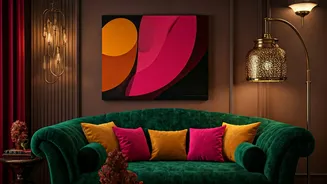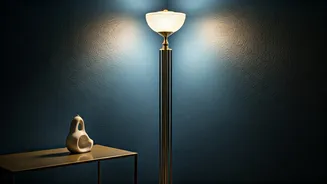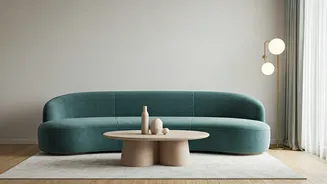



The Sculptural Chandelier as Art
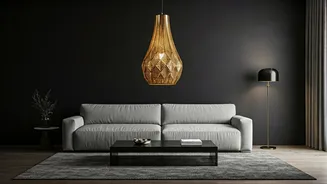
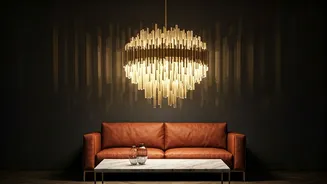
Remember when a chandelier was just a cluster of flame-shaped bulbs on a brass frame? Those days are over. Today’s statement chandelier is less a light source and more a piece of suspended sculpture. Think of cascading, organically shaped glass, sprawling
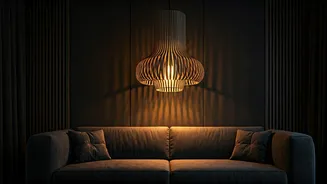
metal branches that evoke a winter forest, or geometric arrangements of plaster and brass that look like they belong in a modern art gallery. These pieces do more than illuminate a dining table or entryway; they command the space. They are the first thing guests notice, immediately signaling a home that values design and creativity. The conversation isn’t just, “Where did you get that?” It’s an opening to discuss art, form, and personal style, all before anyone has even taken off their coat.
Oversized Pendants and the Power of Scale
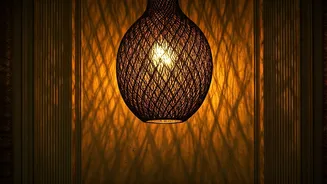
Minimalism taught us to value clean lines and uncluttered spaces, but its latest evolution embraces intentional drama. Nowhere is this clearer than with the trend of oversized pendant lighting. A single, massive dome over a kitchen island or a trio of large, woven rattan pendants above a dining table fundamentally alters the room's proportions. It’s a confident design choice that plays with expectations. Instead of multiple small, unobtrusive lights, one large-scale fixture becomes the room's anchor. This approach is especially effective in open-plan living areas, where a large pendant can visually define a zone, like the dining area, without needing walls. It’s a simple trick with maximum impact, proving that sometimes, going big is the smartest way home.
Wall Sconces Get Their Glow-Up
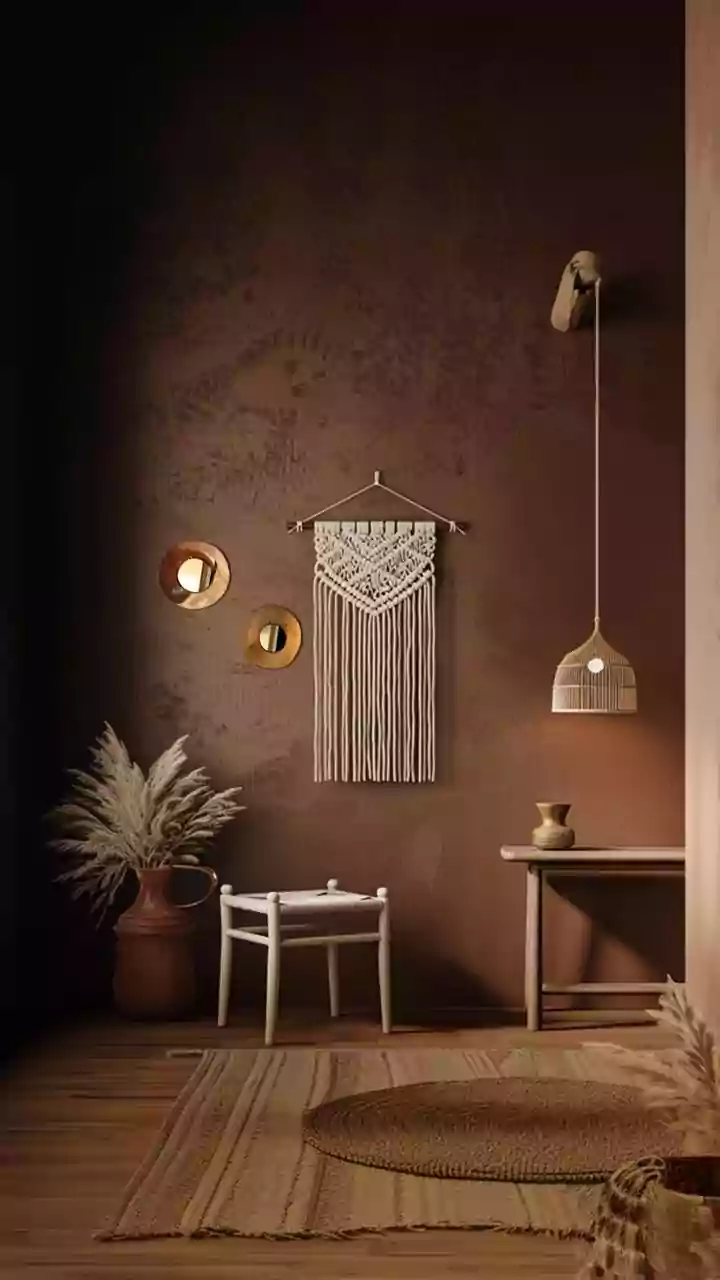
Wall sconces have long been the unsung, utilitarian heroes of hallways and bathrooms. But designers are now treating them as jewels for your walls. No longer simple up-and-down lights, the new sconces are artistic, expressive, and sometimes delightfully weird. Picture a pair of polished brass hands holding glowing orbs flanking a vanity mirror, or a series of interlocking plaster half-moons casting a soft, sculptural light down a long corridor. These fixtures turn a transitional space into a destination. They function as both ambient lighting and wall art, adding a layer of sophistication and intrigue that wallpaper or a painting alone might not achieve. They invite a closer look, turning a simple walk to the bedroom into a small gallery experience.
Faucets and Hardware as Jewelry
The “bold fixture” trend isn’t limited to lighting. It’s happening in kitchens and bathrooms, where faucets and cabinet pulls are being treated like jewelry for the home. The standard chrome faucet is being replaced by striking designs in matte black, brushed gold, or even living finishes like unlacquered brass that patinate over time. We’re seeing gooseneck faucets with sharp, architectural angles, minimalist wall-mounted spouts that feel spa-like, and hefty, knurled cabinet handles that provide a satisfying tactile experience. These small touches make a disproportionately large impact. A unique faucet can elevate an ordinary sink into a focal point, telling a story of thoughtful curation and an appreciation for the details that make a house a home.
The Rise of Unconventional Materials
Perhaps the biggest driver of the trend is the embrace of materials once considered out of place in fixtures. We’re seeing it everywhere: chandeliers made of rough-hewn plaster, table lamps with bases of chunky travertine stone, sconces crafted from translucent resin, and pendants woven from natural fibers like jute and seagrass. This move away from purely industrial metals and glass adds warmth, texture, and an organic quality to our living spaces. A plaster fixture feels handmade and earthy, while a rattan shade casts intricate, dappled light patterns. These materials connect our homes to the natural world and to a sense of craftsmanship. They are conversation starters because they are unexpected, prompting questions about their origin and adding a layer of sensory richness to the room.