







Beyond Kibble and a Squeaky Toy
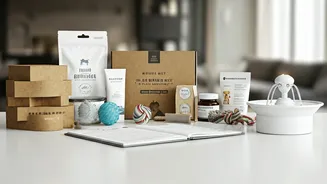
The days of a simple bag of kibble and a yearly vet visit are fading fast. Today’s “premium” pet care is a universe of products and services that mirror human consumer trends. Think fresh, human-grade food delivered in pre-portioned packages from subscription
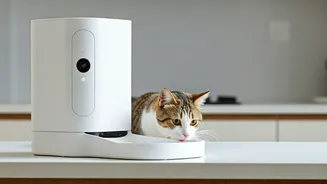
services like The Farmer’s Dog or Nom Nom. It’s orthopedic memory foam beds, GPS-enabled collars that track activity levels, and automated, Wi-Fi-connected feeders that dispense meals on a schedule. The pet market, now valued at well over $100 billion annually in the U.S., is booming with high-end offerings. This isn't just about luxury; it’s about a new definition of 'standard care.' Petco has even rebranded itself as a “health and wellness company,” leaning into services like in-store vet clinics and grooming subscriptions, moving far beyond its retail roots. This premiumization reflects a deeper emotional and financial investment, transforming pets from animals we own into family members we nurture.
The Rise of the Proactive Pet Parent
Parallel to the premium trend is the rise of proactive planning. Instead of waiting for a pet to get sick, owners are investing heavily in preventative care to ensure longevity and quality of life. The most significant indicator of this shift is the explosive growth of the pet insurance market. Once a niche product, it's now a common recommendation at animal shelters and vet offices, with policies covering everything from accidents to chronic conditions and wellness visits. This financial planning extends to veterinary care itself. Many clinics now offer 'wellness plans'—monthly subscription packages that bundle routine services like vaccinations, dental cleanings, and blood work at a predictable cost. This model encourages regular check-ups and early detection, framing pet health as an ongoing journey rather than a series of emergencies. It’s a fundamental change in mindset: managing a pet’s health is now treated like managing a retirement fund—with careful, long-term planning.
A Millennial and Gen Z-Driven Shift
So, who is driving this change? Overwhelmingly, it’s millennials and Gen Z. These generations, who now make up the largest segment of pet owners, are approaching pet ownership differently than their parents did. Many are delaying traditional life milestones like marriage and children, and are instead pouring their nurturing instincts and disposable income into their pets. They are the original 'fur parents,' and they see their dogs and cats as integral members of the household. This 'humanization' of pets is amplified by social media, where a photogenic pet can be a status symbol and a source of community. This demographic doesn't just want to keep their pets alive; they want them to thrive. They are digital natives who are comfortable with subscription models, online research, and trusting app-based services for everything from dog walkers (Rover, Wag) to veterinary telehealth (Chewy's 'Connect with a Vet').
A New Pet-Centric Economy
The ripple effects of this trend are reshaping more than just the pet aisle. It's creating an entire pet-centric economy. Venture capital is flooding into 'pet tech' startups. The real estate market is responding with a surge in pet-friendly apartment buildings that offer amenities like rooftop dog runs and on-site pet spas. The travel and hospitality industries are also adapting, with more hotels not just allowing pets but actively catering to them with special menus and welcome gifts. This isn't a fleeting fad; it's a structural change in American consumerism. As owners invest more money and emotion into their animals, the expectation for what constitutes 'good' pet care will only continue to rise. Businesses that understand this shift—from the local vet to multinational corporations—are positioning themselves for success in a world where pets are, unequivocally, family.