


More Than Just a Hotel Room
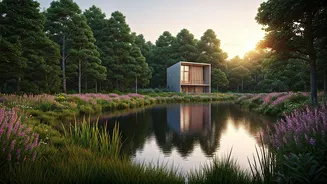
First, let’s define the terms. A “boutique wildlife stay” isn't a roadside motel with a deer feeder out back. It's a small-scale, design-conscious property situated in or near a natural habitat, offering intimate encounters with the local ecosystem. Think
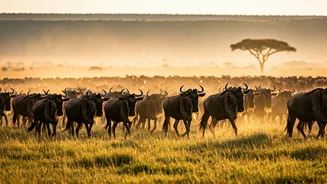
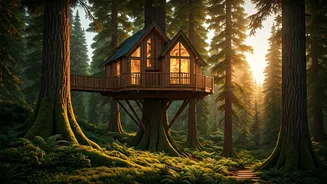
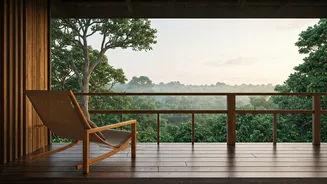
a handful of stylish cabins nestled in the Montana wilderness where bison roam, a secluded lodge in Costa Rica where monkeys swing past your balcony, or an eco-pod in the desert with unrivaled stargazing. Unlike massive hotel chains, these places are defined by their limited footprint, unique character, and integration with their surroundings. The experience is the amenity. Instead of a crowded pool, you get a private deck overlooking a watering hole. Instead of a generic buffet, you get locally sourced meals. It’s a fundamental re-imagining of luxury—one where proximity to nature, not opulence, is the ultimate status symbol.
The Search for Deeper Connection
So, why the appeal for Gen Z? It starts with a rejection of the overly polished, cookie-cutter tourism that defined previous generations. Raised in a digital world saturated with filtered images and manufactured realities, this demographic craves authenticity. They don't just want to see a place; they want to feel it. A large, all-inclusive resort, with its standardized rooms and insulated environment, can feel disconnected from the destination itself. You could be in Mexico or Miami—the experience is often the same. Boutique wildlife stays offer the exact opposite. They are inherently tied to their location. The architecture reflects the region, the food is from nearby farms, and the main attraction is the untamed world just outside the door. This search for a genuine connection is a driving force, transforming travel from a simple vacation into a meaningful experience that enriches one's perspective.
Putting Money Where Their Values Are
This trend isn't just about aesthetics; it's deeply rooted in ethics. Gen Z is famously values-driven, and they extend that philosophy to their travel choices. Many are willing to spend more on brands and experiences that align with their beliefs, particularly concerning sustainability and social responsibility. Boutique wildlife stays often hit all the right notes. Many are built with sustainable materials, run on renewable energy, and actively participate in conservation efforts, from funding anti-poaching units to reforesting local habitats. They tend to employ local staff and support community-owned businesses, ensuring that tourist dollars benefit the people who live there. For a generation wary of the negative impacts of mass tourism—overcrowding, environmental degradation, and cultural erosion—choosing a small-scale, eco-conscious stay is an active vote for a better way to see the world. It’s a purchase that feels good on multiple levels.
Curated for the Digital Age
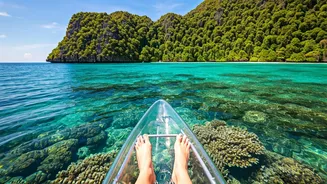
Of course, we have to talk about social media. It's easy to be cynical and say these trips are just for the 'gram, but that misses the point. Yes, these locations are incredibly photogenic. A shot of you sipping coffee while a giraffe wanders by is content gold. But for Gen Z, a social media feed is more than a highlight reel; it's a form of identity curation. The photos and videos from a boutique wildlife stay communicate a specific set of values: a love for nature, a taste for unique design, an adventurous spirit, and a commitment to conscious consumerism. It says, “I don’t just travel; I explore thoughtfully.” In a world where your digital presence is an extension of your personal brand, sharing an experience like this is a powerful way to signal what you stand for. The aesthetic appeal isn't the reason to go, but it’s a significant bonus that helps amplify the story of a more intentional way to travel.