




The Deep-Fried Heart of Indian Snacking
To understand the air fryer’s appeal in India, you first have to understand the near-sacred status of the deep-fried snack. In America, we might associate fried food with county fairs or fast-food chains. In India, it’s woven into the fabric of daily
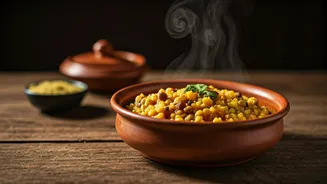
life. Evening chai is incomplete without a plate of hot pakoras (vegetables dipped in chickpea batter and fried). A train journey feels less authentic without a crisp samosa (a savory pastry filled with spiced potatoes and peas) from a station vendor. These aren't just snacks; they're vehicles for hospitality, comfort, and celebration. They are served to guests as a sign of welcome and are essential during festivals like Diwali. For generations, the bubbling pot of oil, or ‘kadai,’ has been a fixture in Indian kitchens, and the rich, indulgent results were an accepted, and beloved, part of the culture.
A Growing Health Consciousness
Parallel to this deep-rooted tradition, a new narrative has been taking hold across urban India: a powerful wave of health and wellness consciousness. With rising incomes and greater exposure to global health trends, India's burgeoning middle class has become increasingly concerned about lifestyle-related health issues like high cholesterol, diabetes, and heart disease. This created a cultural tension. How do you reconcile a love for the traditional foods you grew up with against the doctor's advice to cut back on oil and fried items? For many, the choice felt binary and brutal: either indulge and feel guilty, or abstain and feel deprived. This is the exact dilemma that set the stage for a new culinary hero to emerge.
Enter the Air Fryer
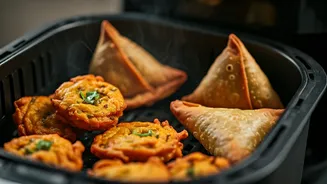
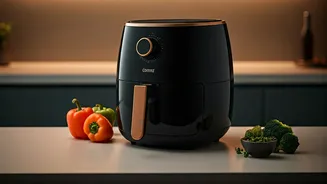
The air fryer arrived in India as the perfect answer to this modern problem. It wasn't marketed as a tool for making frozen French fries; it was presented as a way to have your samosa and eat it too. Brands quickly realized that the key was not to replace Indian food, but to make it healthier. The appliance’s core function—circulating superheated air to create a crisp, “fried” texture with a fraction of the oil—was a game-changer. Suddenly, a home cook could produce a batch of pakoras that were golden and crunchy on the outside and tender on the inside, using just a teaspoon of oil instead of a cup. It solved the central conflict, offering a technological bridge between the flavors of tradition and the aspirations of a healthy future.
Reimagining the Classics
The result has been a creative explosion in Indian kitchens. Social media and YouTube are filled with Indian food creators demonstrating how to adapt classic recipes for the air fryer. Samosas, which would normally soak up significant amounts of oil, are now lightly brushed with ghee or oil and air-fried to a perfect, flaky crispness. Spiced potato patties (aloo tikki) and lentil fritters (vada) get the same treatment, emerging crunchy and light, not heavy and greasy. It has even enabled new, healthier snacks to become staples. This adaptation is about more than just a recipe tweak. It’s about giving people permission to enjoy their cultural comfort foods without reservation, turning a once-a-month treat into a possible weekday snack.
More Than Just a Shortcut
Calling the air fryer a “shortcut” only tells part of the story. While it does save time and reduce mess, its significance runs deeper. For many Indian families, it’s a tool of negotiation between generations—a way for younger, health-conscious adults to honor the recipes of their parents and grandparents in a way that aligns with their modern lifestyle. It allows them to serve their own children the snacks they loved as kids, but without the accompanying health concerns. It isn't about erasing culinary heritage; it's about ensuring its survival in a changing world. The gadget isn't replacing the kadai, but it’s offering a powerful, popular alternative for everyday eating.