



The King of Fruits Holds Court
Stepping into the Delhi Mango Festival, or 'Aam Mahotsav,' is an immersion into a world of vibrant yellows, oranges, and greens. The air is heavy with the intoxicating, syrupy scent of ripe mangoes, a fragrance that for millions of Indians is the very
essence of summer. Forget what you think you know about the handful of mango varieties in a U.S. supermarket. Here, the fruit is not just a fruit; it's a cultural icon, hailed as the “King of Fruits.” The festival is its coronation. Organized by Delhi Tourism, this multi-day event isn't just a market; it's a pilgrimage for fruit lovers. Families wander through stalls with a sense of wonder, farmers proudly display their prized harvest, and the low thrum of music provides a constant, joyful soundtrack.
A Dazzling Spectrum of Flavor
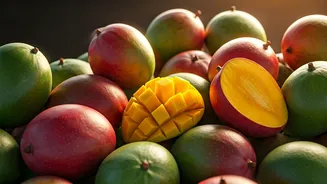
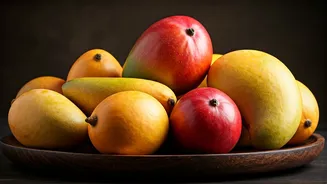
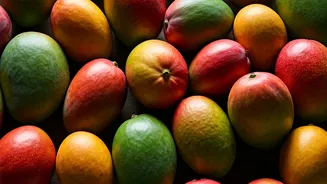
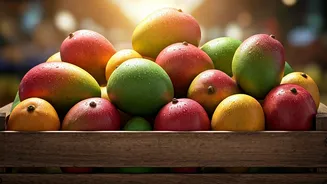
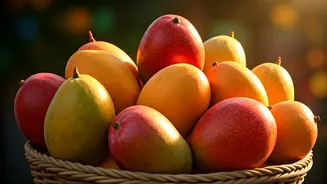
The main event is, of course, the mangoes themselves. Tables are piled high with over 500 varieties, each with a unique story, shape, and flavor profile. There’s the world-famous Alphonso, with its creamy, non-fibrous flesh and notes of honey and citrus. Then there’s the Langra, a greenish variety from Varanasi known for its slightly tart, unforgettable taste. You'll find the slender, intensely sweet Dasheri, perfect for juices and shakes, and the late-season Chausa, so soft and succulent it’s often eaten by simply squeezing the pulp directly into your mouth. For a visitor, it’s a revelation. You can sample tiny slivers from different farmers, each arguing passionately for the superiority of their crop. It’s an education in terroir, seasonality, and the incredible biodiversity of a single fruit, a far cry from the one-size-fits-all mango experience common elsewhere.
Beyond the Fresh-Cut Slice
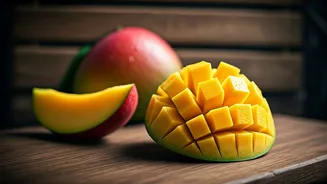
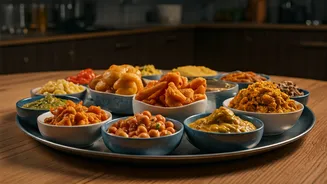
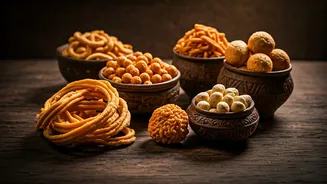
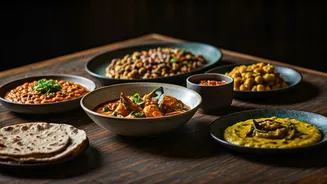
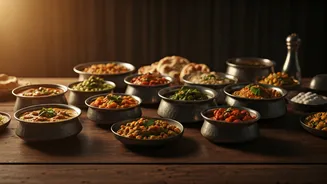
While eating a perfectly ripe mango is a sublime experience, the festival showcases the fruit's incredible versatility. This is where the “massive treats” come into play. Local chefs and vendors get wildly creative, transforming the fruit into an endless array of sweet and savory delights. You can cool down with a scoop of rich mango kulfi, an Indian ice cream, or sip on a thick, refreshing mango lassi. But the innovation doesn’t stop there. Imagine mango-infused pastries, fluffy mango soufflés, and even savory dishes like mango chaat—a tangy, spicy snack that combines unripe mango with chickpeas, potatoes, and a medley of chutneys. There are jars of pickles (achar) and preserves (murabba) to take home, ensuring the flavor of summer lasts just a little bit longer. It's a testament to a culinary culture that wastes nothing and celebrates everything.
Live Beats and Summer Vibes
The festival is a feast for all the senses. The “live beats” in the headline are no exaggeration. Stages set up around the grounds feature a rotating lineup of folk singers, dancers, and local bands, filling the air with rhythms that range from traditional to contemporary. The energy is infectious. Elsewhere, crowds gather for quirky, lighthearted competitions. The most popular is invariably the mango-eating contest, a messy, hilarious spectacle where participants race to devour a pile of mangoes as fast as they can, juice dripping down their chins and elbows. There are also slogan-writing competitions and quizzes about mango history and cultivation. It’s this combination of culinary devotion and communal joy that makes the event more than just a food fair. It’s a full-blown cultural celebration, a place where people from all walks of life connect over a shared, seasonal obsession.