




Beyond the Ring Light: Adaptive Lighting
Bad lighting doesn’t just make you look like a shadowy figure on Zoom; it can cause eye strain and disrupt your energy levels. The first wave of WFH upgrades saw a boom in ring lights, but the truly smart makeover goes much further. The new focus is on adaptive
and human-centric lighting. This includes smart LED bulbs and desk lamps that can automatically adjust their color temperature throughout the day, shifting from cool, energizing blue tones in the morning to warmer, calmer yellow light in the afternoon. This mimics the natural circadian rhythm, which can help improve focus during work hours and make it easier to wind down afterward. For video calls, professional-grade key lights, which offer adjustable brightness and temperature, provide soft, flattering illumination that a simple ring light can't match, eliminating harsh shadows and creating a more polished presence.
Pro-Level Audio and Acoustic Control
“Can you hear me now?” is a question no one wants to ask in a crucial meeting. While we’ve all gotten used to basic headsets, a smarter office prioritizes crystal-clear audio in both directions. This means upgrading to high-quality USB microphones that capture rich, broadcast-level sound, making you sound more professional and authoritative. On the listening side, noise-canceling headphones are essential, but the new standard includes models with advanced microphone arrays that isolate your voice from background noise—like a barking dog or a passing siren. Beyond personal gear, the room itself is getting an acoustic treatment. Stylish sound-dampening wall panels, once found only in recording studios, are now available in a variety of decorative shapes and fabrics. They absorb echoes and reverb, turning a spare bedroom into a space with pristine audio clarity.
Ergonomics with an IQ Boost
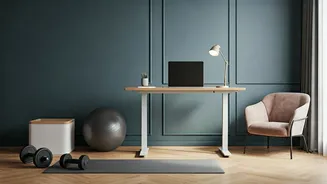
A comfortable chair is a start, but a smart office actively promotes better physical health. Ergonomics is getting a major tech infusion. Electric standing desks are now commonplace, but smarter models come with programmable memory settings, gentle reminders to change posture, and even app integration to track how much time you spend sitting versus standing. Ergonomic chairs are evolving, too, with self-adjusting lumbar support and sensors that can provide subtle feedback on your posture. This proactive approach to comfort helps prevent the back pain, neck strain, and repetitive stress injuries that can build up over long days at a desk. It's about creating a workspace that takes care of you, not one you have to fight against.
Taming the Digital and Physical Clutter
A cluttered desk leads to a cluttered mind. The smart office makeover is an exercise in ruthless minimalism, enabled by clever technology. The mess of charging bricks and tangled wires is disappearing, replaced by elegant, integrated solutions. Desks and monitor stands now frequently come with built-in wireless charging pads and discreet USB hubs. Under-desk cable management trays and magnetic clips wrangle cords into submission, creating a clean, distraction-free surface. On the digital side, large, high-resolution ultrawide monitors allow for multiple windows to be open side-by-side, eliminating the need for a clunky dual-monitor setup and streamlining workflow. The goal is to remove friction, both physical and digital, so you can focus entirely on the task at hand.
Building a 'Digital Commute'
Perhaps the smartest upgrade has nothing to do with hardware and everything to do with boundaries. When your office is always accessible, it’s hard to switch off. The new WFH makeover includes creating a “digital commute” to bookend the day. This can be achieved with smart home technology. A smart plug connected to your work monitor, desk lamp, and computer can be scheduled to power down automatically at 6 p.m., providing a firm, non-negotiable end to the workday. Similarly, a voice command like “Hey Google, start my workday” can trigger a routine that turns on your office lights, starts a focus playlist, and opens your calendar. These rituals create the clear separation between “work time” and “home time” that was lost when the physical commute disappeared, protecting personal time and preventing burnout.