






The Burnout From 'Beast Mode'
Remember the 2010s? It was the era of high-intensity interval training (HIIT) mania, where every workout promised to leave you gasping for air in a puddle of your own sweat. The prevailing attitude, fueled by social media, was that if you didn't feel
completely wrecked, you didn't work hard enough. "Beast mode" wasn't just a hashtag; it was a mandate. This philosophy pushed millions toward impressive physical feats but also led to a silent epidemic of burnout, injury, and adrenal fatigue. The problem with the punishment model is its unsustainability. Pushing your body to its absolute limit day after day, without adequate rest, creates a state of chronic stress. Cortisol levels spike, inflammation becomes persistent, and the risk of overuse injuries skyrockets. People found themselves mentally exhausted by the pressure to perform and physically broken from the constant grind. The very activity meant to improve their health was, for many, beginning to undermine it.
The Tech That Made Rest a Metric
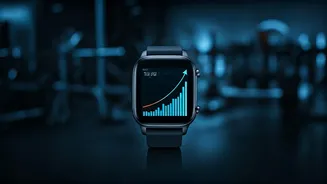
The game changed when recovery became measurable. The explosion of wearable technology—from Oura rings and Whoop bands to the advanced sensors in an Apple Watch or Garmin—gave everyday people access to data previously reserved for elite athletes. Suddenly, abstract concepts like “rest” were quantified with hard numbers: Heart Rate Variability (HRV), sleep stage duration, and daily “readiness” scores.
This data-driven approach transformed recovery from a passive activity into an active pursuit. Instead of guessing how they felt, people could see the physiological impact of a poor night's sleep or a stressful day. A low readiness score became a permission slip to swap a grueling workout for a walk, a yoga class, or a dedicated mobility session. Technology reframed rest not as a sign of weakness, but as a strategic tool for optimizing performance and longevity. It gamified recovery, making it as important a metric to track as miles run or pounds lifted.
From 'Leg Day' to Longevity
As the focus shifts to recovery, so does the nature of our workouts. The old-school body-part split (“chest day,” “leg day”) is giving way to a more holistic emphasis on movement quality and functional strength. The new question isn't just "How much can you lift?" but "Can you move well, without pain, for the rest of your life?"
This has fueled the rise of specialized studios and classes dedicated to what happens *between* intense workouts. Mobility training, fascial stretch therapy, and dedicated foam rolling sessions are no longer niche offerings. Trainers are increasingly incorporating principles from physical therapy and prehab into their programming, aiming to build resilient bodies that can withstand the demands of both sport and daily life. The goal is no longer just about building bigger muscles but about improving joint health, increasing range of motion, and ensuring the body's entire system works in harmony.
The Mental Health Connection
Perhaps the most profound driver of this change is the growing cultural awareness of mental health. The punishment paradigm often frames exercise as a transaction: you burn calories to “earn” a meal or atone for indulgence. This can create a toxic cycle of guilt and anxiety, tying self-worth to physical output.
The recovery-first model reframes exercise as an act of self-care. A workout can be a tool to manage stress, boost mood, and connect with your body, rather than conquer it. It allows for nuance—some days, you might crave the catharsis of a hard run, while on others, a gentle walk or stretching session is what your mind and body truly need. This approach divorces movement from aesthetics and calories, recasting it as a foundational pillar of mental and emotional well-being. It’s a kinder, more compassionate way to think about fitness, and it’s one that’s built to last.