





The New Family Member
For generations, the concept of a pet in many Indian households was functional—a dog for security, a cat for pest control. But in the bustling, upwardly mobile hubs of Mumbai, Bengaluru, and Delhi, a quiet but profound change is underway. The pet has
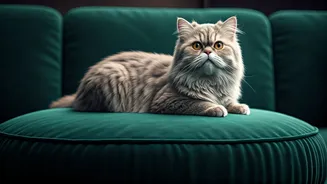
been promoted. Today, for a growing segment of the population, a pet is not just an animal; it's a 'fur baby,' a surrogate child, a non-negotiable part of the nuclear family. This 'pet humanization' trend, familiar in the U.S. for decades, is now taking firm root in urban India. It’s being driven by a confluence of factors: rising disposable incomes, a growing number of young professionals and DINK (Double Income, No Kids) couples, and a shift toward Western-style consumer habits. These new pet parents, or 'paw-rents,' lavish their companions with gourmet food, designer accessories, and, increasingly, shared experiences—including vacations.
A Hospitality Industry Responds
For years, traveling with a pet in India was a logistical nightmare. Most hotels, trains, and airlines had strict no-animal policies, forcing pet owners to rely on reluctant friends or nascent, often unreliable, kennel services. The alternative was simple: don't travel. Seeing a massive untapped market, the hospitality industry has begun to pivot. What started as a niche offering by a few boutique properties has blossomed into a competitive feature. Major hotel chains and independent resorts are now rolling out the red carpet for pets. It’s no longer enough to be 'pet-tolerant'; properties are actively 'pet-friendly,' offering everything from dedicated pet menus and plush beds to curated walking trails and private splash pools. Travel booking sites like MakeMyTrip and Airbnb have added 'pet-friendly' filters that are seeing a significant surge in usage. Some entrepreneurs are even launching travel startups exclusively dedicated to planning pet-centric holidays.
Meet the 'Paw-cationers'
So, who is the typical Indian pet-cationer? They are often millennials or Gen Z, living in major metropolitan areas, who delayed marriage or children and instead poured their emotional and financial resources into their pets. For them, the guilt and anxiety of leaving a pet behind outweigh the complexities of traveling with one. Social media plays a huge role, with Instagram feeds filled with photos of golden retrievers posing by pristine lakes in the Himalayas or shih tzus relaxing in a Goan beach shack. This isn't just about a holiday; it's about content creation and expressing an identity where the pet is central. This demographic is willing to spend, too. They’re booking premium rooms to ensure space and comfort, paying extra for pet-sitting services at hotels, and splurging on special meals. For hotels, this translates into a new and lucrative revenue stream, attracting a clientele that is often younger and wealthier.
The Road Is Still Bumpy
Despite the momentum, the path to a fully pet-friendly India is not without its obstacles. While luxury stays are becoming more accessible, the infrastructure connecting them is lagging. The country’s railway system has convoluted rules for pet travel, and most domestic airlines restrict pets to the cargo hold, a non-starter for owners who view their animals as family. Public spaces, from parks to restaurant patios, often remain unwelcoming. This creates a fragmented experience where one can stay in a five-star resort with their dog but struggle to find a place to stop for lunch on the drive there. However, this friction is also creating opportunities. Niche services offering sanitized, air-conditioned inter-city pet transport are popping up, and a growing chorus of advocates is pushing for more inclusive public policies. The challenges highlight that this is a trend in evolution, not a finished product.