






Understanding the Two Monsoons
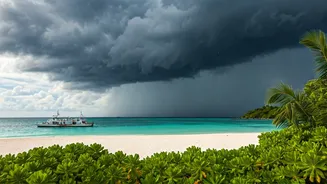
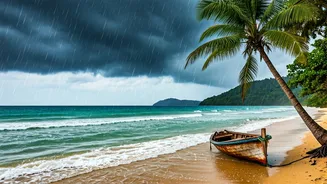
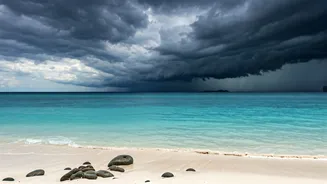
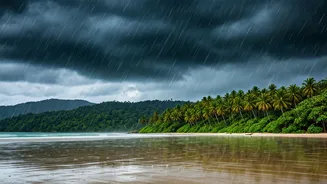
The first thing any prospective Andaman traveler needs to understand is that it’s not just one rainy season, but two. The primary monsoon, the Southwest Monsoon, hits from May through September. This is the main event, characterized by heavy, sustained
rainfall, strong winds, and rough seas. Many tourist facilities, especially those related to water sports, scale back or close entirely during this period. Then, from October to December, the Northeast Monsoon arrives. While generally less intense, it still brings unpredictable showers and can stir up the seas. The most stable and popular tourist season is the dry period from January to April, when sunshine is plentiful and the waters are calm and clear. Knowing which window you’re traveling in is the first step to a successful trip, as it dictates everything from what you can do to how you get around.
The Ferry Factor: Your Lifeline at Sea
In the Andamans, an island-hopping itinerary is standard. You’ll likely fly into Port Blair and then rely on ferries to reach popular destinations like Havelock Island (Swaraj Dweep) or Neil Island (Shaheed Dweep). This is where the weather sensitivity becomes most apparent. During heavy rains and high winds, both government-run and private ferry services are often delayed or canceled outright for safety reasons. A private catamaran might handle choppy seas better than a smaller boat, but even they are subject to maritime warnings. A sudden cancellation can leave you stranded on an island, forcing you to miss a flight home or scrap the next leg of your journey. The golden rule for wet-season travel is to build buffer days into your schedule. Don’t plan a ferry trip on the same day as your return flight. Giving yourself a 24- to 48-hour cushion in Port Blair before departing can save you a world of stress.
Water Sports on Standby
For many visitors, the Andamans are synonymous with world-class scuba diving and snorkeling. The vibrant coral reefs and rich marine life are a primary draw. However, the monsoon puts a serious damper on these activities. Heavy rainfall creates runoff from the islands, drastically reducing underwater visibility. Murky water isn't just disappointing; it can be unsafe for divers. Furthermore, strong currents and rough surface conditions can make boat trips to dive sites impossible. Many dive shops on Havelock and Neil Islands close completely during the peak Southwest Monsoon (June to August). Even during the less intense Northeast Monsoon, your planned dive might be canceled at the last minute. If diving is the sole purpose of your trip, booking between January and April is non-negotiable. If you’re traveling in the shoulder seasons, be mentally prepared for your underwater plans to be a 'maybe,' not a guarantee.
Building a Rain-Resilient Itinerary
So, how do you plan around the rain? First, be realistic. Instead of a frantic three-islands-in-five-days schedule, consider a more relaxed pace. Pick one main island, like Havelock, and use it as a base for a longer period. This reduces your dependency on multiple, potentially canceled ferry journeys. Second, have a Plan B. If the beach is rained out, what else can you do? Port Blair offers historical sites like the Cellular Jail and several small museums. On other islands, a rainy day is a perfect excuse to try a new restaurant, take a local cooking class, or simply relax with a book and enjoy the dramatic tropical downpour from a covered veranda. Finally, pack accordingly. A high-quality rain jacket, waterproof bags for electronics, and footwear that can handle mud are essentials. A little preparation goes a long way in turning a potential disruption into a minor inconvenience.
The Silver Lining of the Off-Season
While it requires careful planning, traveling during the monsoon isn't without its charms. The biggest benefit? Fewer people. The crowded beaches of the high season give way to serene, empty stretches of sand. The landscape, refreshed by the rain, is incredibly lush and vibrant. You’ll also find that accommodation and tour prices are significantly lower, making it a great option for budget-conscious travelers. The experience is different—less about baking on the beach and more about witnessing the powerful, dramatic beauty of the tropics in full force. For travelers who are flexible, patient, and find beauty in a storm-swept coastline, the rainy season can offer a more authentic and peaceful Andaman experience.