






A Kingdom Reclaimed by Nature
In the heart of Rajasthan, India, lies a landscape torn from the pages of a Rudyard Kipling story. Ranthambore National Park is not your typical wildlife sanctuary. Here, the search for the majestic Bengal tiger unfolds across a backdrop of ancient temples,
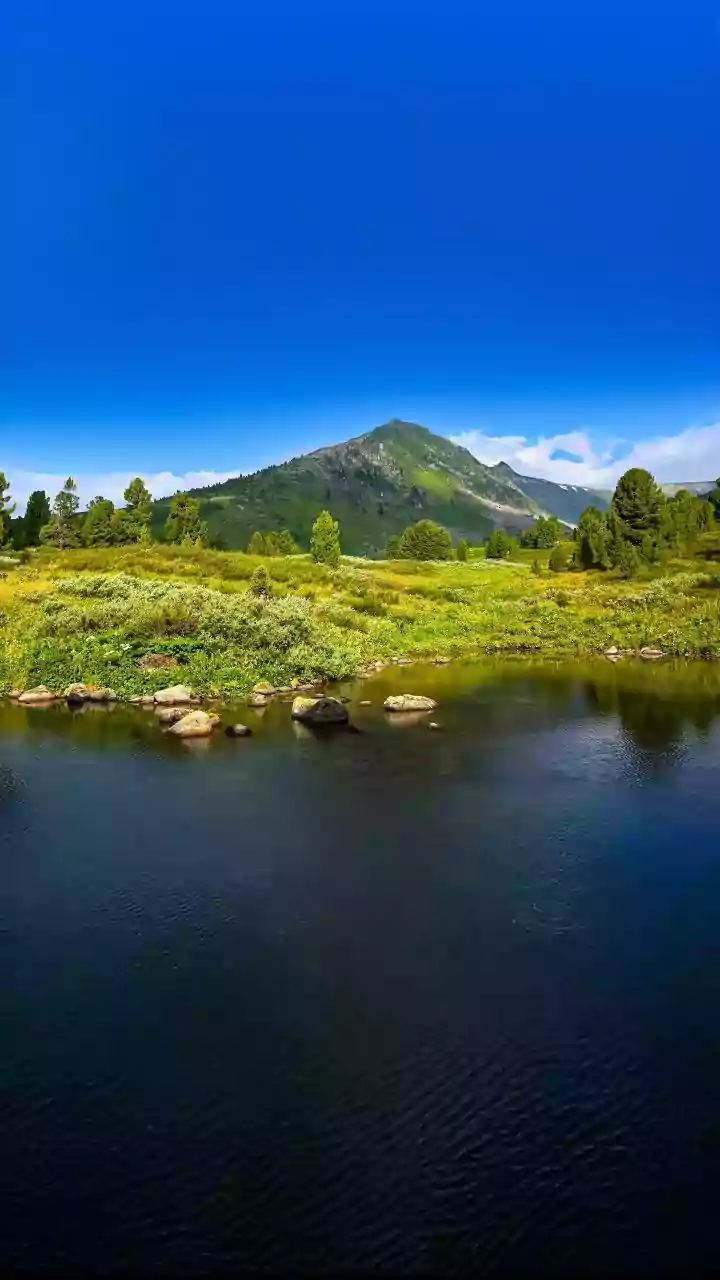
crumbling pavilions, and the formidable ramparts of a fort that has stood for over a thousand years. The park was once the private hunting ground of the Maharajas of Jaipur, a place of royal sport. Today, the tables have turned. Nature is the reigning monarch, and the tiger is its undisputed king. The dry, deciduous forest, dotted with serene lakes, gives way to dramatic, stony crags where leopards survey their domain from the ruins of old guard posts. It’s this constant, visible tension between human history and wild present that sets Ranthambore apart.
The Ghosts of the Fortress
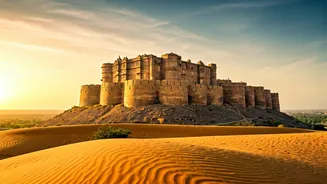
Dominating the park is the colossal Ranthambore Fort, a UNESCO World Heritage Site that traces its origins back to the 10th century. Perched atop a 700-foot hill, its strategic importance is immediately obvious. For centuries, Rajput rulers fought to control this stronghold. To walk its paths today is to step through time. You can wander through ancient gateways, past silent temples still in use by local devotees, and along stone walls that have witnessed countless sieges. But unlike a sterile museum, the fort is alive. Monkeys skitter across intricately carved pillars, and peacocks display their plumage in forgotten courtyards. You don't just look at the history here; you feel it breathing around you, a silent stone testament to the empires that rose and fell long before the jungle came back to claim its own.
In the Realm of the Tiger
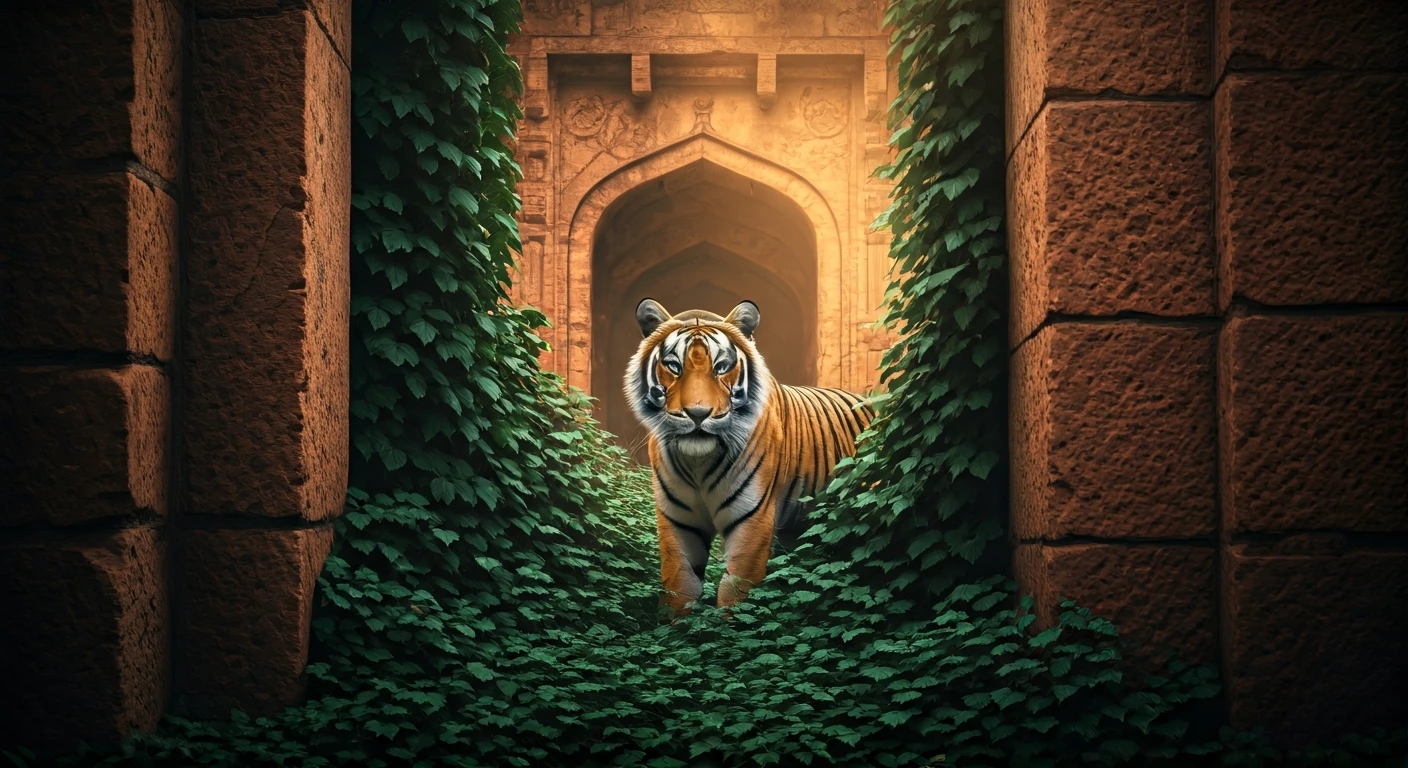
Let’s be honest: for most visitors, the primary draw is the tiger. And Ranthambore delivers. Thanks to India's dedicated Project Tiger conservation program, the park boasts one of the most visible tiger populations in the country. A safari here is an exercise in thrilling anticipation. Bumping along in an open-topped jeep, every sense is on high alert. You listen for the warning call of a sambar deer, scan the undergrowth for a flicker of movement, and track fresh paw prints in the dusty road. Seeing a tiger here is different. It’s not just a wildlife sighting; it’s an audience with royalty. A massive male striding confidently down a path, a mother leading her cubs to a waterhole, or the unforgettable sight of a tiger resting in the shade of an ancient Banyan tree—these are moments that sear themselves into your memory forever. The predator's sheer power and grace feel amplified by the wild, untamed setting.
More Than Just Stripes
While the tiger is the star, the supporting cast is equally spectacular. Ranthambore is a thriving ecosystem teeming with life. The park's lakes are home to marsh crocodiles that bask on the banks, while the forests shelter elusive sloth bears, nimble chital (spotted deer), and hulking nilgai (blue bull antelope). For bird watchers, it’s a paradise, with over 300 species recorded, from the majestic crested serpent eagle to the brilliantly colored Indian roller. Focusing only on the tiger is to miss the point of Ranthambore. The true magic lies in the entire tapestry of life—the symphony of alarm calls, the flash of a kingfisher diving for a fish, the quiet dignity of a deer grazing near a forgotten cenotaph. Even if a tiger remains elusive, a day spent in its kingdom is never wasted.
The Dance of Stone and Shadow
What makes Ranthambore truly irresistible is the story it tells. It's a powerful, living narrative about the cycles of power. The fort, once the pinnacle of human ingenuity and control, now serves as a backdrop for the raw power of nature. A tiger, the apex predator, pauses to drink from a stepwell built by a long-dead king. The jungle vines slowly pry apart the stones of a once-impenetrable wall. It’s a profound and humbling reminder that even the mightiest human endeavors are fleeting. Here, you witness a unique symbiosis where the ruins provide shelter and vantage points for the animals, and the animals bring a vibrant, dangerous life back to the stones. This isn’t just a tourist destination; it’s a meditation on time, power, and the enduring wildness of the world.