
From Afterthought to Main Event
For decades, the role of legumes and grains in American restaurants was predictable and often uninspired. A scoop of rice, a side of refried beans, or a lentil soup relegated to the lunch special. They were supporting characters, present for bulk and budget-friendliness
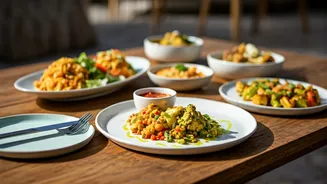
but rarely for their own flavor or texture. That era is definitively over. Today, chefs from Michelin-starred kitchens to fast-casual hotspots are building entire concepts around these once-humble ingredients. We're not just talking about a better veggie burger. We're talking about creamy farro risottos that rival traditional Arborio, hearty lentil bolognese that stands up to any meat sauce, and stunning salads where heirloom beans and ancient grains are the main attraction, not a garnish.
A Perfect Storm of Trends
So, why now? The rise of the respected legume is a direct result of a perfect storm of cultural, economic, and culinary shifts. First, the plant-based movement has gone mainstream. Diners are actively seeking out delicious, satisfying meals that aren't centered on meat, whether for health, environmental, or ethical reasons. Grains and legumes are nutritional powerhouses, packed with protein, fiber, and complex carbohydrates, making them the ideal foundation for a compelling vegetarian or vegan main course. Second, sustainability is no longer a niche concern. These crops are famously low-impact, requiring less water and resources than animal proteins. For chefs and restaurant owners looking to reduce their carbon footprint, they are an obvious and delicious solution. Finally, there's the economic reality. As the cost of high-quality meat and seafood continues to climb, smart chefs are turning to grains and legumes as a canvas for creativity that also happens to be easier on the bottom line—a saving that can be passed on to the diner.
Meet the New Roster of Stars
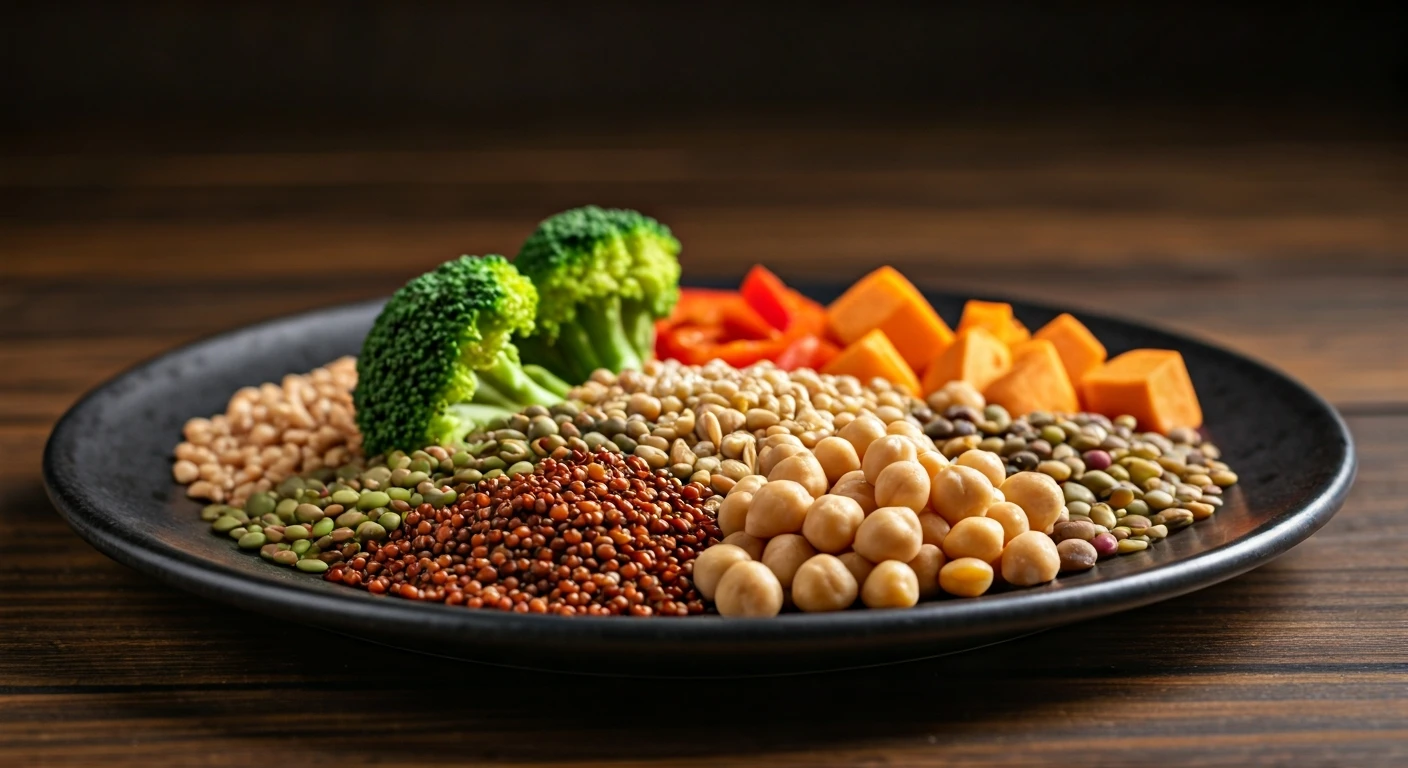
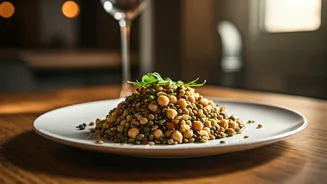
This isn't just about black beans and brown rice getting a promotion. A whole new (but actually ancient) world of ingredients is becoming common on U.S. menus. Look for farro, a chewy, nutty Italian grain that’s incredible in salads and stews. Keep an eye out for freekeh, a roasted young wheat with a smoky flavor. Sorghum, a gluten-free grain, is being popped like popcorn or used in pilafs. On the legume side, chefs are exploring beyond the standard can. They're sourcing colorful French Puy lentils, which hold their shape beautifully when cooked, and creamy, coveted heirloom beans like the speckled Jacob's Cattle or the rich, dark Scarlet Runner. Chickpeas, long the king of hummus, are now being roasted, fried, and braised into entirely new forms. These ingredients offer a vast pantry of textures and flavors that were previously left untapped in mainstream American cooking.
A Win for Both Chefs and Diners
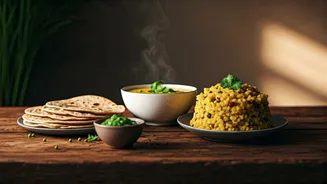
This shift is a massive win for everyone at the table. For chefs, it’s a creative liberation. Instead of being locked into the protein-starch-vegetable format, they can explore global cuisines—from Ethiopian wats to Mediterranean grain bowls—that have celebrated these ingredients for centuries. They can showcase their skill by coaxing incredible depth of flavor from a simple lentil or a handful of barley. For diners, the benefits are even clearer. Menus are becoming more interesting, diverse, and inclusive of different dietary preferences. These dishes are often more affordable, allowing you to enjoy a chef-driven, thoughtfully composed meal without the steakhouse price tag. They are deeply satisfying and nourishing in a way that feels both modern and timeless. It’s a chance to expand your palate and discover that a perfectly cooked bean can be just as luxurious as a piece of fish.