

First, What Are ‘Green Roads’?
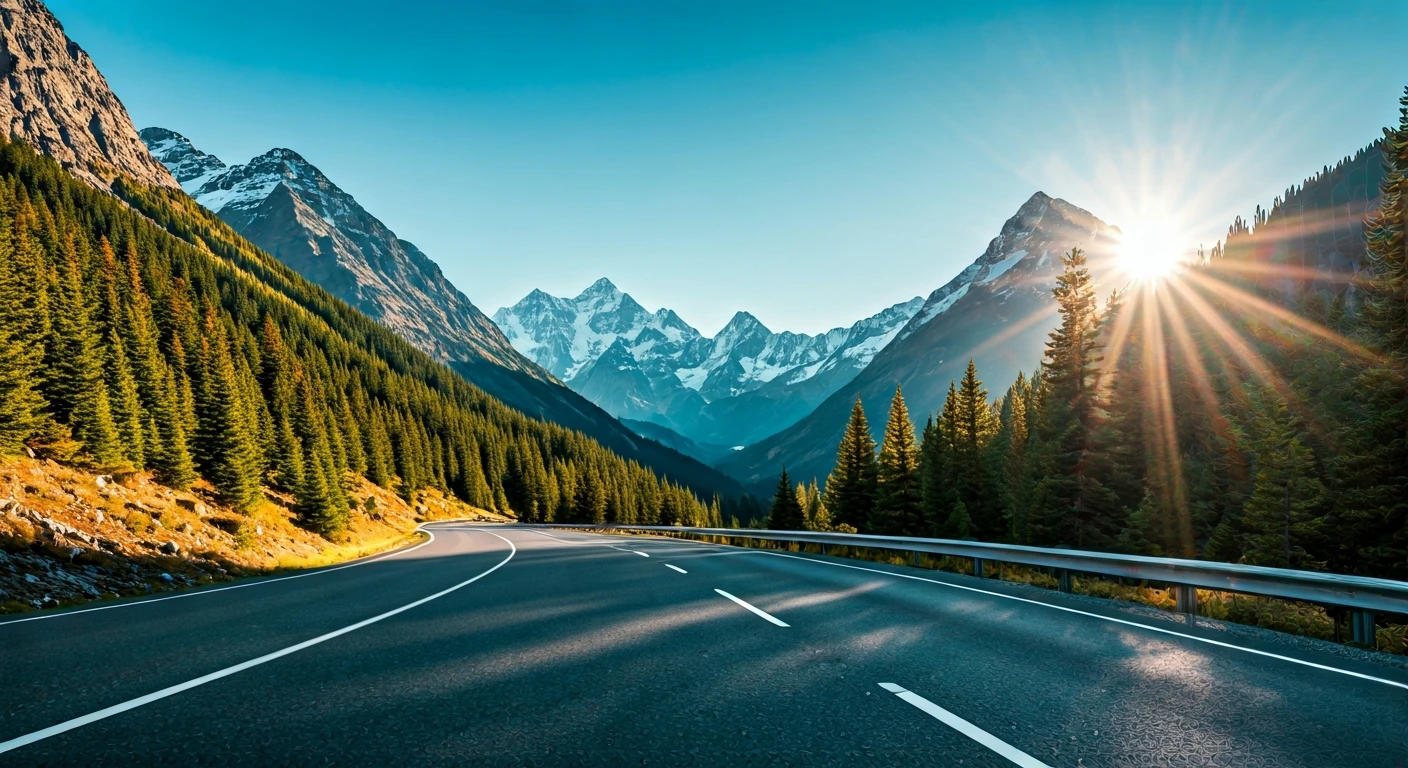
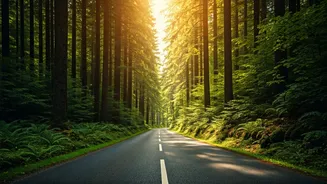
Let’s get one thing straight: “Green Roads” isn’t an official designation you’ll find on a map. It’s a catch-all term for a specific kind of travel that has exploded in popularity. Think America’s scenic byways, winding coastal highways, routes that cut
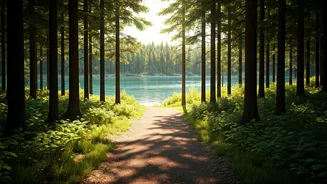
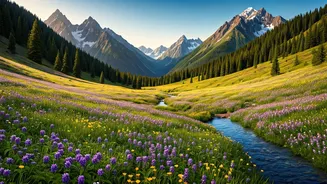
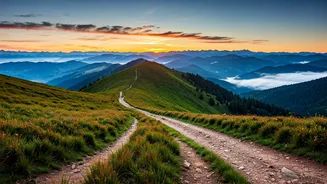
through national forests, or any drive where the journey itself is the main attraction. It’s the opposite of a monotonous interstate slog to get from Point A to Point B. This is travel as an experience, not a transaction. We’re talking about the Blue Ridge Parkway in the fall, California’s Pacific Coast Highway at sunset, or a quiet two-lane road through the farmlands of Vermont. The destination might be a charming small town, a hiking trail, or a cozy cabin, but the star of the show is the road that gets you there—and the nature flanking it on all sides.
The Anatomy of Weekend Travel FOMO
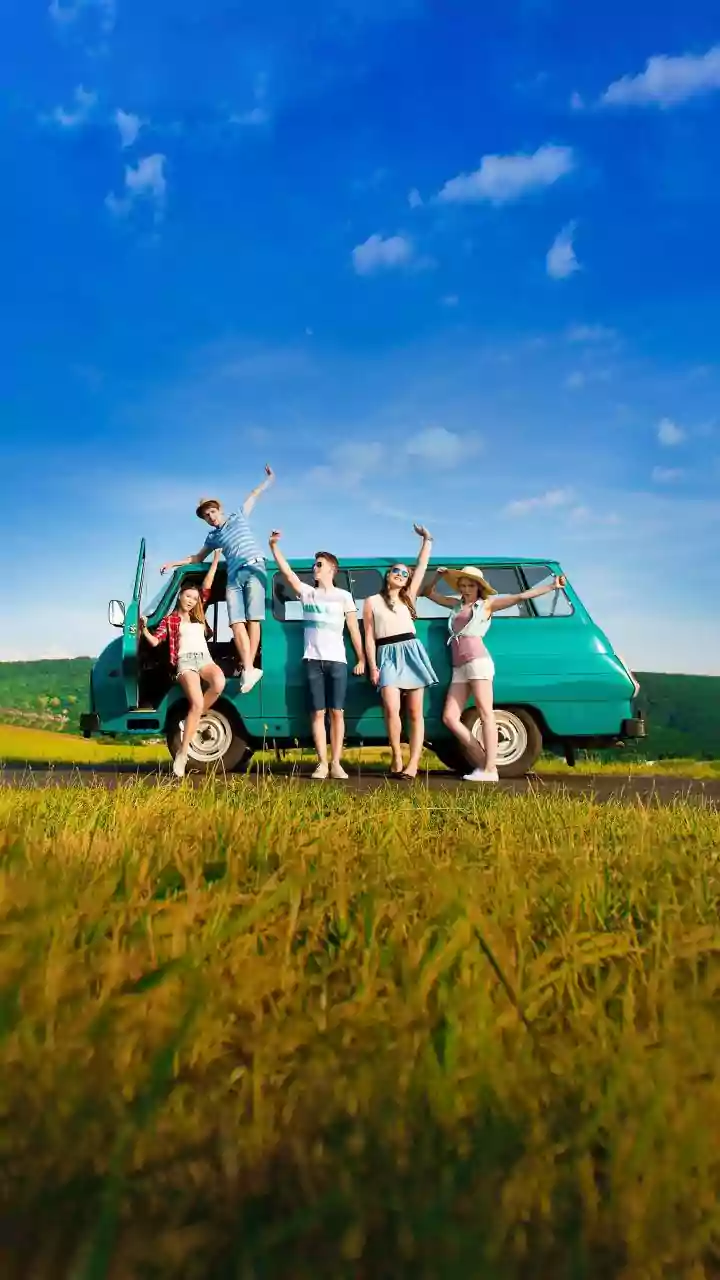
The fear of missing out isn’t new, but its latest iteration is hyper-focused on the 48-hour escape. After years of being cooped up, the desire for adventure is palpable. Yet, a two-week European vacation isn’t always feasible, financially or logistically. The weekend road trip, however, is the perfect middle ground. It’s achievable, relatively affordable, and provides the instant gratification of a change of scenery. Social media amplifies this tenfold. Instagram and TikTok are flooded with aesthetically perfect montages of misty mountain mornings, campfire videos, and drone shots of cars navigating epic landscapes. This content creates a powerful narrative: a well-lived life includes regular, beautiful escapes from the daily grind. When you see a constant stream of these curated adventures while you’re running errands or doing laundry, it’s easy to feel like you’re falling behind on some unspoken social contract to be constantly exploring.
It’s About More Than Just a Pretty Picture
While the visuals are what grab our attention, the pull of the “green road” goes deeper than just getting a good photo for the 'gram. This trend is a direct reaction to modern burnout. In a world of endless emails, Slack notifications, and doomscrolling, the idea of simply driving through a quiet, natural landscape is profoundly therapeutic. It’s a form of what’s been called “slow travel,” where the emphasis is on disconnection and immersion rather than checking off a list of tourist traps. Hitting a scenic route forces you to put your phone down (except for the occasional photo) and engage with the world in front of you. It’s a tangible way to reclaim your time and headspace. The modest goal—a beautiful drive and a bit of fresh air—feels restorative in a way that a hectic, jam-packed city break might not. It’s less about escaping your life and more about recharging it.
How to Plan Your Own Escape Hatch
The beauty of this trend is its accessibility. You don’t need to live near a famous national park to find your own green road. Start by looking up your state’s designated scenic byways; nearly every state has a program that highlights its most beautiful drives. Apps like Roadtrippers can help you discover interesting routes and quirky roadside stops you’d otherwise miss. Another strategy is to simply pull up a map, find the biggest patch of green within a two-hour drive—be it a state park, a national forest, or a nature preserve—and chart a course that avoids the major highways. The goal isn’t to replicate someone else’s perfect trip but to create your own small adventure. Pack a lunch, make a good playlist, and give yourself permission to wander. The best green roads are often the ones you discover by accident.