








The Small State with a Big Idea
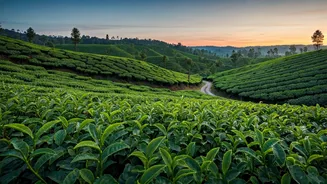
Mention the Indian state of Kerala, and most Americans might picture tranquil backwaters and lush spice plantations. But over the past two decades, this region on the tropical Malabar Coast has cultivated something far more impactful: a revolutionary
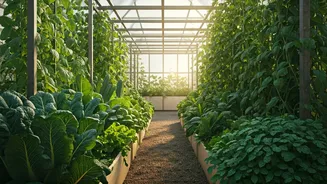
approach to household food production. Facing a heavy reliance on neighboring states for vegetables and the associated price volatility, Kerala’s government launched a series of ambitious initiatives to empower its citizens to grow their own food. The result is a decentralized, state-supported framework that has turned millions of balconies, rooftops, and tiny backyard plots into productive micro-farms.
More Than Just a Garden
What makes the Kerala model so effective isn't just the idea of gardening; it's the comprehensive system built around it. Under programs like the Haritha Keralam Mission (Green Kerala Mission), the state provides residents with starter kits, which often include seeds for local vegetable varieties, organic fertilizers, and “grow bags”—durable sacks that allow for planting even without access to land. Crucially, the support doesn't stop there. Agricultural officers offer training on organic farming techniques, from composting kitchen waste to creating natural pesticides. This creates a powerful feedback loop: households reduce food costs, improve nutrition by eating fresh, pesticide-free produce, and contribute to a statewide culture of sustainability. It’s a holistic system designed for resilience, not just recreation.
From Local Success to Global Blueprint
While you won’t find official “Kerala Garden” franchises popping up in other countries, the headline's claim of a global spread speaks to a deeper truth: its principles are being recognized and adapted worldwide. International bodies like the UN’s Food and Agriculture Organization (FAO) have highlighted Kerala’s success as a powerful case study in urban and peri-urban agriculture. The model provides a proven blueprint for how governments can actively support local food sovereignty. Its core tenets—decentralization, organic methods, reliance on local knowledge, and direct support for growers—are now central to food security discussions in developing nations across Asia and Africa. The framework demonstrates that you don’t need vast tracts of industrial farmland to feed a population; you need an empowered and well-equipped community.
Why This Model Resonates in America
The challenges Kerala faced—food dependency, price shocks, and concerns over pesticides—are increasingly familiar to Americans. The COVID-19 pandemic exposed the fragility of our own long-haul supply chains, sparking a modern “victory garden” revival. Meanwhile, communities in food deserts from Detroit to New Orleans are pioneering urban farming projects to reclaim control over their food supply. The Kerala model offers a compelling vision for what’s possible when these grassroots efforts are met with institutional support. It’s not just about a single garden; it’s about creating an ecosystem where fresh, healthy food is accessible and affordable for everyone. The idea of using public funds to supply citizens with the tools and knowledge to grow their own food is a powerful counterpoint to a system often dominated by industrial agriculture.