





What is the Manali-Leh Highway?
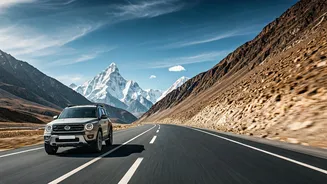
This isn't your average scenic drive. Stretching roughly 295 miles through the Indian Himalayas, the Manali-Leh Highway connects the lush, green Kullu Valley with the stark, high-altitude desert of Ladakh, often called 'Little Tibet.' It’s a seasonal
road, buried under feet of snow for more than half the year. Its annual clearing by the Border Roads Organisation is a monumental effort, and its opening is a celebrated event for motorcyclists, 4x4 enthusiasts, and travelers seeking one of the planet's great overland journeys. For many, it’s not just a road; it’s a bucket-list achievement, a test of endurance, and a spiritual journey rolled into one.
From Lush Valleys to Lunar Landscapes
The magic of this trip is its dramatic transformation. Starting in the bustling mountain town of Manali, you ascend through pine forests and apple orchards. The first major hurdle is the Rohtang Pass, a gateway that signals your departure from the 'normal' world. As you push north, the scenery becomes otherworldly. You'll traverse the Gata Loops, a dizzying series of 21 hairpin bends that climb a single mountain flank. You'll cross several of the world’s highest motorable passes, including Tanglang La, which sits at a breathtaking 17,480 feet—that's more than 3,000 feet higher than Mount Whitney, the tallest peak in the contiguous U.S. The landscape shifts from green to brown to shades of purple and gray, resembling a Martian or lunar surface dotted with ancient Buddhist monasteries and fluttering prayer flags.
The Challenge: Altitude and The Elements
This adventure is not for the faint of heart, and the primary challenge is altitude. Acute Mountain Sickness (AMS) is a serious risk. The drive is typically done over two days, with an overnight stop in a place like Keylong or Sarchu to help your body acclimatize. Rushing is not an option and can be dangerous. Symptoms of AMS range from headaches and nausea to more severe, life-threatening conditions. Hydration is key, and many travelers take medication like Diamox as a preventative measure after consulting a doctor. Beyond altitude, be prepared for unpredictable weather (snow in June is possible!), basic accommodations, and long stretches of rough, unpaved road. This is part of the adventure, not a flaw in the infrastructure.
Essential Planning and Logistics
You can’t just rent a sedan and go. Most people tackle the highway in a hired 4x4 with an experienced local driver or, for the ultimate thrill, on a Royal Enfield motorcycle. Going with a local driver is highly recommended; they understand the road's quirks, the weather patterns, and how to handle vehicle issues in the middle of nowhere. The trip requires careful timing. Traveling in June means you’ll likely see massive walls of snow carved out by the plows, a spectacular sight. By August and September, the roads are clearer, but the weather can begin to turn again. Pack layers for temperatures that can swing from sunny and warm to freezing cold on the same day. Bring cash, as ATMs are nonexistent, and pack snacks and water, as roadside dhabas (simple eateries) are few and far between.