

Meet Your New Favorite Breakfast
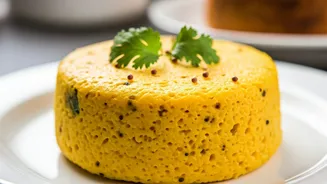
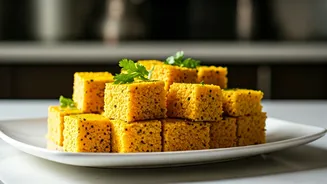
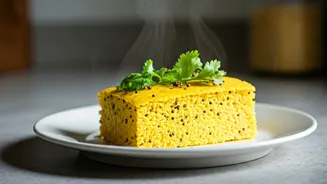
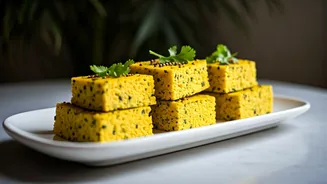
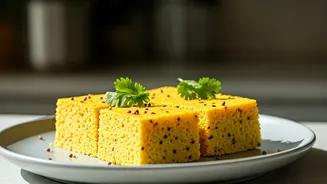
First, let's get acquainted. If you’ve ever had dhokla, you’ve likely encountered khaman dhokla, the bright yellow, spongy squares made from chickpea flour that are a staple in Gujarati cuisine. Rava dhokla is its equally delicious, but distinctly different,
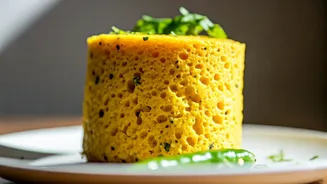
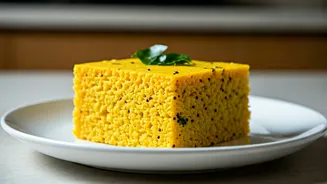
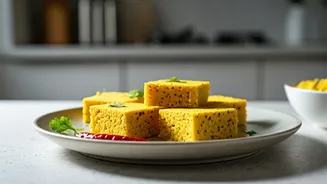
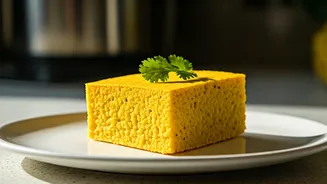
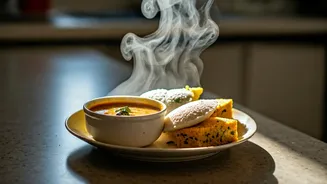
cousin. The key swap is in the name: ‘rava’ is suji, or semolina. This simple change from legume flour to wheat-based semolina results in a cake with a slightly heartier, yet incredibly light and tender, crumb. The batter, a simple mix of semolina, yogurt, and water, is typically left to rest, allowing the semolina to soften and swell. It’s then seasoned with ginger and green chili, leavened, and steamed—never baked or fried—into a fluffy, cloud-like cake. The result is a savory, tangy, and wonderfully textured dish that’s a world away from the syrupy sweetness of most American breakfast staples.
The Genius of a Steamed, Savory Start
So, why is this the perfect summer breakfast? The magic is in the method and the temperature. On a sweltering July morning, the last thing anyone wants to do is stand over a sizzling skillet or fire up the oven. Rava dhokla is steamed, a gentle cooking process that won’t turn your kitchen into a sauna. You can use a dedicated steamer, a bamboo basket over a pot of water, or even your Instant Pot. Beyond keeping you cool, the dish itself is cooling. It’s traditionally served warm or at room temperature, making it ideal for hot weather. There’s no rush to eat it before it gets cold. Furthermore, it offers a much-needed savory alternative to the sugar-laden breakfast landscape. Instead of a blood sugar spike from pancakes or muffins, you get gentle, sustained energy. It’s light enough not to weigh you down but substantial enough to keep you full until lunch. It’s the culinary equivalent of starting your day with a calm, collected breath of fresh air.
More of a Method Than a Mandate
The “rava dhokla treatment” isn’t about slavishly following one specific recipe. It’s about embracing a new breakfast philosophy. It’s about giving yourself permission to eat savory, light, and make-ahead meals in the morning. Think of the dhokla as a template. The base is a blank canvas for flavor. You can add grated carrots or finely chopped spinach to the batter for a nutritional boost. You can adjust the heat from the green chilis or omit them entirely. The final flourish, a ‘tadka’ or ‘tempering’ of hot oil with mustard seeds, curry leaves, and sesame seeds, adds a crucial layer of crunchy, aromatic complexity. But even that can be simplified. The core idea is to shift your mindset from short-order breakfast cook to a meal prepper. A single tray of dhokla, steamed on a Sunday evening, can provide a fantastic grab-and-go breakfast for two or three days, getting better as the flavors meld.
A Surprisingly Forgiving Dish
If you’re thinking this sounds complicated, you’re in for a pleasant surprise. Rava dhokla is one of the most forgiving and approachable dishes in the Indian culinary canon. The batter comes together in minutes. Unlike baking, where precise measurements are paramount, dhokla is flexible. A little too thick? Add a splash of water. Too thin? A spoonful of semolina. The key to its signature spongy texture is the leavening. Traditionally, this comes from fermentation, but the modern home cook has a shortcut: Eno, an effervescent fruit salt. It creates a rapid-fire chemical reaction, filling the batter with thousands of tiny bubbles right before it hits the steamer. If you can’t find Eno, a simple mix of baking soda and a touch of citric acid or lemon juice achieves the same magical lift. The steaming process is straightforward, and after about 15-20 minutes, you’ll have a perfectly cooked, beautifully risen cake ready to be sliced and devoured.