
Beyond the Buffet
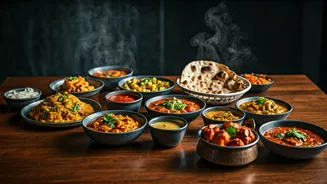
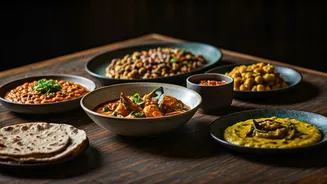
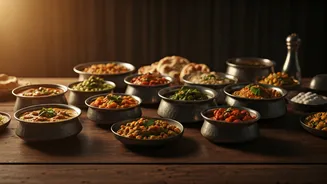
Let’s be honest: for many Americans, “Indian food” has long meant a very specific, and limited, menu. It’s the all-you-can-eat lunch buffet laden with chicken tikka masala, saag paneer, and dal makhani. It’s a cuisine that was largely introduced to the U.S.
through a North Indian, specifically Punjabi, lens, often adapted for a Western palate that was presumed to be sensitive to complex spices and heat. While delicious, this representation was a tiny, Anglicized slice of one of the world's most diverse culinary landscapes. Chefs felt they had to offer these familiar dishes to survive, creating a feedback loop that defined Indian dining for generations. But the expectations of both diners and chefs have finally, radically, shifted.
A Return to Roots, with a Twist
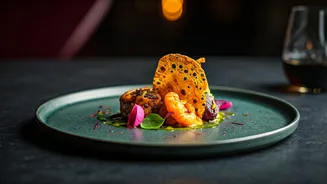
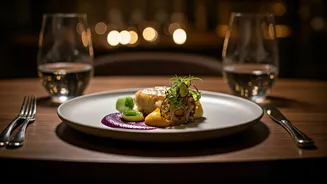
The new trend isn’t about avant-garde fusion or deconstruction. Instead, chefs are delving deep into the recipe books of their parents and grandparents. They're unearthing hyper-regional, home-style dishes that were rarely, if ever, seen in American restaurants. The “playful” part isn’t about gimmicks; it’s about confidence. It’s the freedom to serve a rustic goat curry from a specific village or a fiery fish dish from the southern coast exactly as it’s meant to be eaten—bold, unapologetic, and complex. This new approach champions sourcing high-quality ingredients and applying sophisticated techniques to dishes that have been perfected over centuries, presenting them with pride rather than apology.
Spotlight on the Plate
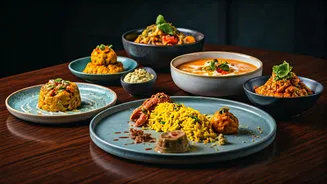
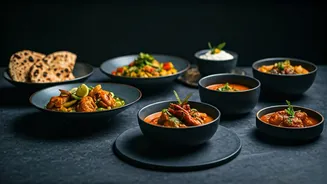
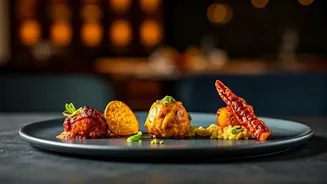
The proof is on the menu at a new class of acclaimed restaurants. At New York's Dhamaka, the focus is on the “forgotten” dishes from rural India—what the restaurant calls “the other side of India.” You won’t find chicken tikka on the menu, but you will find Champaran Mutton, a slow-cooked goat dish made in a sealed clay pot. At Semma, also in New York, chef Vijay Kumar earned a Michelin star by cooking the food of his childhood in Tamil Nadu, a southern Indian state. Dishes like the nathai pirattal (snails stir-fried with tamarind and chiles) are deeply traditional yet feel shockingly new to the American dining scene. It’s this tension—between authentic tradition and novel presentation—that makes the experience so electrifying.
The Chefs Driving the Change
This movement is largely powered by a generation of second-generation Indian Americans and recent immigrants who are done with catering to outdated perceptions. They grew up eating this food at home and see no reason to hide its complexity from the public. They possess a dual fluency: an intimate knowledge of Indian regional cooking and a savvy understanding of the modern American restaurant scene. Chefs like Chintan Pandya of Unapologetic Foods (the group behind Dhamaka and Semma) have become missionaries for regional specificity. They are not just feeding people; they are re-educating them, one plate of goat brains or spicy crab at a time. It’s a reflection of a broader cultural confidence, a declaration that their heritage doesn’t need to be diluted to be celebrated.
More Than Just 'Curry'
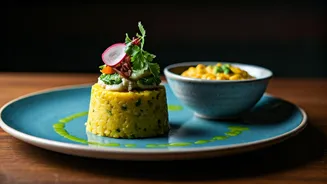
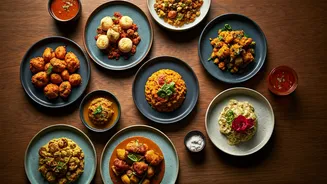
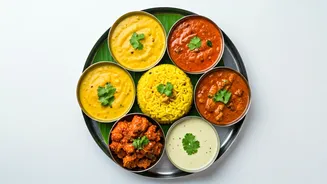
Ultimately, this trend is about shattering the monolith of “Indian food.” It’s a vibrant, delicious education in the immense diversity of the subcontinent. Diners are learning that the cuisine of Kerala, with its coconut-based stews and fresh seafood, is worlds away from the lentil-and-bread-heavy food of Punjab. They’re discovering the sour, pungent flavors of Bengal and the fiery pork dishes of Nagaland. By championing specific regions, villages, and even family recipes, these chefs are offering a more honest, granular, and exciting map of Indian cuisine. They are challenging diners to be more curious and, in the process, proving that American palates are more than ready for the real thing.