



More Than Just Kombucha
For years, kombucha was the undisputed king of gut-friendly beverages—a fizzy, fermented tea that went from health-food-store oddity to mainstream staple. But the kingdom is expanding. Today’s gut health drink menu is a vibrant ecosystem of new and intriguing
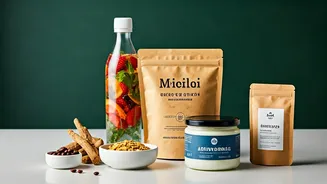
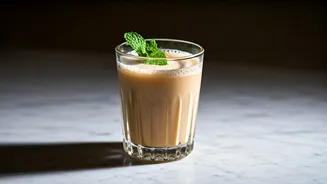
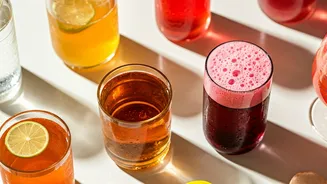
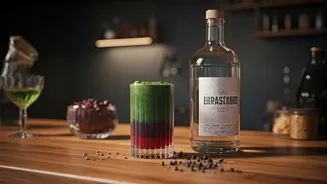
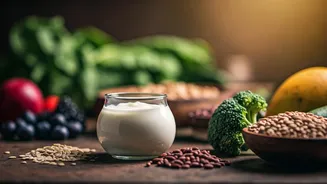
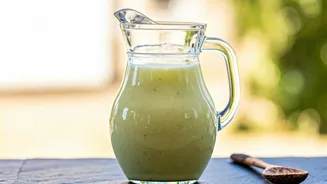
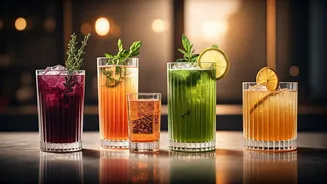
options. You’ll find sparkling prebiotic sodas in flavors like strawberry-vanilla and watermelon-mint, designed to feed the good bacteria you already have. There are kefir-based smoothies, creamy and tangy, packed with live and active cultures. Even the humble cocktail isn't immune. Mixologists are crafting 'functional cocktails' and mocktails using house-made shrubs (drinking vinegars), fermented ingredients like tepache (a fermented pineapple drink), and tinctures made from adaptogenic herbs like ashwagandha. It’s a clear signal that consumers are looking for more than just flavor or a buzz; they want their beverages to *do* something.
The Wellness-ification of Socializing
So, why the sudden thirst for functional drinks? This trend sits at the intersection of several major cultural shifts. Firstly, there’s the mainstreaming of wellness. The idea of optimizing our health has moved from a niche interest to a national preoccupation. We track our sleep, count our steps, and are now, it seems, micromanaging our microbiomes. Secondly, the pandemic accelerated our focus on proactive health, particularly immunity, which is closely linked to gut health. Finally, the rise of the “sober curious” movement has created a demand for more sophisticated and interesting non-alcoholic options. People who choose not to drink alcohol still want to participate in the social ritual of having a special, crafted beverage. A beautifully presented, prebiotic-infused spritzer feels more celebratory than a simple club soda and lime, offering both a health halo and a sense of occasion. It transforms the act of going out for a drink into an act of self-care.
Decoding the Buzzwords
Navigating this new menu can feel like studying for a biology test. Let’s break down the key terms. **Probiotics** are the headliners: they are live beneficial bacteria found in fermented foods like yogurt, kefir, and kombucha. The idea is that consuming them can help bolster your gut’s population of good microbes. **Prebiotics**, on the other hand, are the supporting act. They are types of fiber (found in foods like onions, garlic, and bananas) that your body can’t digest. Instead, they act as food for your existing gut bacteria, helping them thrive. You'll see ingredients like inulin or chicory root fiber added to sodas and other drinks for this purpose. Then there are **adaptogens**, like ashwagandha or medicinal mushrooms (lion’s mane, reishi), which are herbs and fungi claimed to help the body resist stressors of all kinds. While their gut-specific benefits are still being studied, they are often included in the wellness drink category for their stress-management properties.
But Does It Actually Work?
Here's the million-dollar question: will a $9 prebiotic soda transform your health? Nutrition experts urge a dose of healthy skepticism. While many of these ingredients have proven benefits, the efficacy of a single drink can be questionable. For probiotics to be effective, they need to survive the journey through your stomach acid and arrive in your gut alive and in sufficient quantities—something that isn't always guaranteed in a commercial beverage. Furthermore, many of these drinks still contain significant amounts of sugar, which can counteract some of the intended benefits. Most dietitians agree that while these beverages can be a fun and tasty addition to a balanced diet, they are not a magic bullet. True gut health is built on a foundation of a diverse, fiber-rich diet, not on a single product. Think of these drinks less as a prescription and more as a slightly better-for-you alternative to a traditional sugary soda or a way to dip your toe into the world of functional ingredients.