
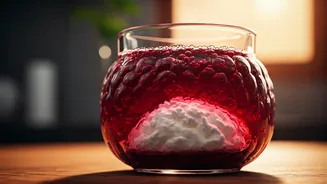
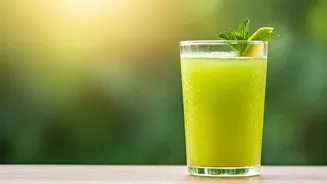
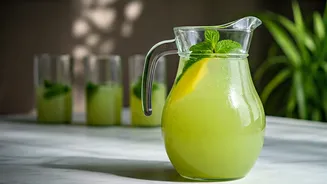


So, What Exactly Is Aam Panna?
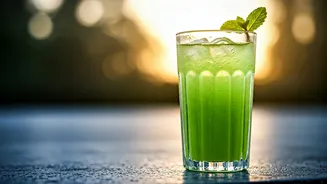
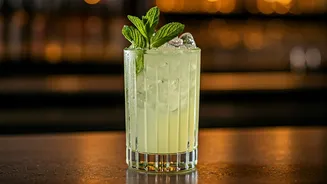
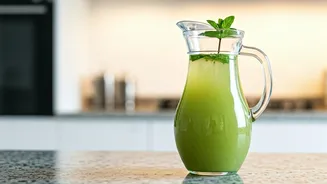
Imagine the perfect antidote to a sweltering summer day, bottled. That’s Aam Panna. At its heart, it's a refreshing, restorative drink made from the pulp of boiled or roasted raw, green mangoes. This isn't the sweet, sunset-hued mango you're used to seeing
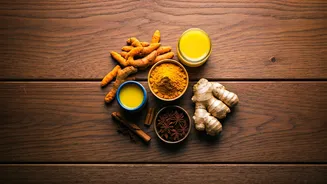
in the produce section. These are young, tart, and firm, packing a sour punch that’s the drink's signature. The cooked mango pulp is blended with water and a carefully chosen trio of spices: roasted cumin for an earthy depth, black salt (kala namak) for a savory, mineral tang, and often mint for a burst of coolness. It’s typically sweetened with jaggery or a touch of sugar to balance the sourness, creating a flavor profile that is complex, thrilling, and profoundly satisfying: sweet, sour, salty, and spiced all at once.
India’s Original Hydration Hero
Long before electrolyte powders and sports drinks became a billion-dollar industry, households across India relied on Aam Panna to combat the brutal heat of summer. For generations, it has been the go-to remedy for preventing heat stroke and dehydration. The logic is simple and brilliant. The intense heat causes the body to lose essential salts and water through sweat. Aam Panna acts as a natural rehydration solution. The water replenishes fluids, while the black salt and other minerals from the mango restore lost electrolytes. The raw mangoes themselves are a powerhouse of vitamin C and other antioxidants, believed to boost immunity during the draining summer months. It’s not just a tasty beverage; it’s a piece of traditional wisdom, a seasonal ritual designed to keep the body in balance when the environment is trying its hardest to throw it off.
The 'Functional' Reframe
This is where Aam Panna gets its modern “functional drink energy.” Strip away the traditional context and look at it through a 2024 wellness lens, and it checks every box. It’s a natural source of vitamins and minerals. It aids in hydration with naturally occurring electrolytes. It’s often made with unrefined sweeteners like jaggery, aligning with the move away from processed sugars. The cumin can aid digestion. It’s essentially a prebiotic, plant-based, low-ingredient elixir that does exactly what expensive new-age beverages claim to do. While drinks like kombucha and kefir focus on gut health through fermentation, Aam Panna offers a different kind of function: raw, elemental replenishment. It isn't trying to be a wellness drink; it just inherently is one. This isn't a marketing pivot; it's a long-overdue recognition of its intrinsic benefits.
Why Now? The Search for Authenticity
The renewed interest in drinks like Aam Panna speaks to a broader shift in American consumer habits. We’ve cycled through the kale smoothies, the activated charcoal lattes, and the mushroom coffees. While many of these have real benefits, there’s a growing fatigue with lab-created wellness and a deeper craving for authenticity. Consumers are increasingly looking to global food traditions for time-tested health solutions that feel more grounded and less like a passing fad. Aam Panna represents the pinnacle of this search. It’s not an “ancient secret” unearthed by a wellness startup; it’s a living tradition enjoyed by millions. Its appeal lies in its simplicity, its history, and the fact that its health benefits are a byproduct of its deliciousness, not a selling point manufactured in a boardroom. It’s a taste of another culture that also happens to be incredibly good for you, making it the perfect drink for our current moment.