







The Superfood Hiding in Plain Sight
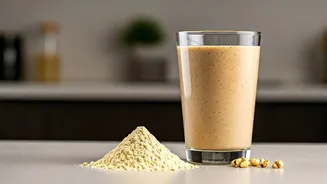
If you grew up in a Desi household, you might know sattu as that rustic flour your grandparents talked about. Hailing from the heartlands of India, particularly states like Bihar, Jharkhand, and Uttar Pradesh, sattu is a humble yet mighty foodstuff. It's
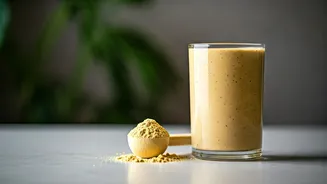
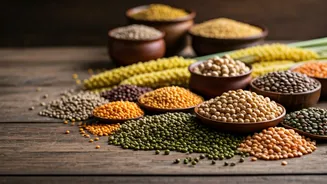
made from roasted grains and legumes, most commonly Bengal gram (kala chana), but sometimes barley or a mix. The roasting process is key—it pre-cooks the flour, making it ready to eat, and gives it a uniquely nutty, earthy flavor. For generations, it has been the go-to fuel for farmers and laborers, cherished for being affordable, shelf-stable, and incredibly nourishing. Traditionally mixed with water, salt, and spices to make a savory drink (sattu sharbat), it’s known as the “poor man’s protein” for its ability to deliver immense energy at a low cost.
A Nutritional Powerhouse for Your Brain
Forget the expensive, overhyped powders at the health food store. Sattu’s nutritional profile is tailor-made for the demands of a student's brain and body. First, it’s packed with plant-based protein and dietary fiber. This combination is a game-changer for long study sessions. The protein helps with focus and cognitive function, while the high fiber content ensures you feel full and satisfied for hours, preventing the distracting hunger pangs that can derail your productivity. Unlike sugary cereals or snacks that cause a quick spike and crash, sattu has a low glycemic index. This means it releases energy slowly and steadily, keeping your blood sugar stable and your mind sharp through that three-hour lecture. It’s also rich in essential minerals like iron, manganese, and magnesium, which combat fatigue and support overall well-being. In Ayurvedic tradition, it's also considered a natural coolant, making it perfect for calming the body and mind during stressful exam periods.
The Ultimate Student-Life Hack
Here's where sattu graduates from a traditional food to a modern-day campus essential. Its biggest advantage is convenience. Since it’s pre-cooked, there's zero cooking required. You don't need a stove, an oven, or even a microwave. If you have a bowl and a spoon, you can make a meal. This is a lifesaver in a dorm room or a shared apartment with a perpetually occupied kitchen. It's also incredibly budget-friendly. A single bag of sattu flour costs a fraction of what you’d spend on protein powders or daily takeout, and it will last you for weeks. It’s a sustainable choice for both your wallet and your health, providing a clean, whole-food alternative to the processed, preservative-laden options that are often the default for busy students.
The Smoothie Bowl Makeover
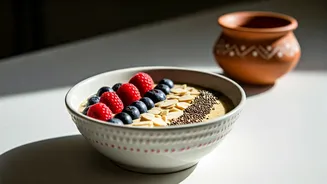
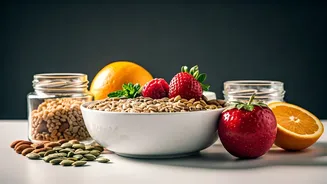
While the traditional savory drink is great, we can give sattu a contemporary twist that fits right into an American student’s lifestyle: the smoothie bowl. This format turns a simple meal into something satisfying, delicious, and even Instagram-worthy. It’s the perfect way to blend a taste of home with a modern health trend. Here’s a basic framework: **The Base:** In a bowl, mix 3-4 tablespoons of sattu flour with a liquid until you get a thick, pudding-like consistency. You can use plain water, milk, or a dairy-free alternative like almond or oat milk. For a creamier texture, mix it with Greek yogurt. **The Flavor:** Sattu is a blank canvas. For a sweet bowl, stir in a touch of honey, maple syrup, or jaggery. A pinch of cardamom or cinnamon adds a warm, familiar spice. For a savory twist, stick with the classic salt, a squeeze of lemon, and maybe some finely chopped mint or cilantro. **The Toppings:** This is where you get creative. Top your sweet bowl with fresh berries, sliced bananas, a sprinkle of chia seeds, chopped nuts, or a drizzle of peanut butter. For a savory bowl, try chopped onions, tomatoes, green chilies, and a handful of crunchy sev or roasted chickpeas. You get a complete meal—protein, carbs, healthy fats, and fiber—in one bowl, in under five minutes.