
An Ancient Staple's Modern Moment
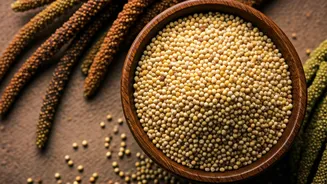
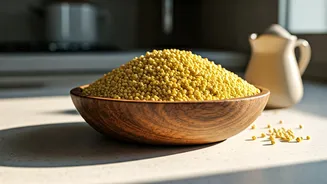
If you've noticed millet popping up on menus at trendy cafes or in the grain aisle at your local grocery store, you're not imagining things. This tiny, bead-like grain is having a renaissance. For thousands of years, millets were a cornerstone of the Indian
diet—hardy, drought-resistant crops that nourished vast populations long before rice and wheat became dominant. After falling out of favor for decades, viewed as a humble or rural food, millet is being enthusiastically reclaimed. This revival was supercharged when the United Nations declared 2023 the 'International Year of Millets,' a move championed by India to promote the grain's benefits for food security, nutrition, and sustainable agriculture. Suddenly, this ancient fuel was back in the global spotlight, recognized not as a relic of the past, but as a potential food of the future.
More Than Just Birdseed
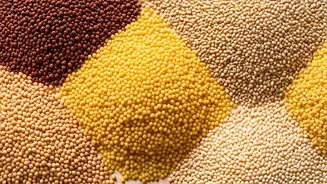
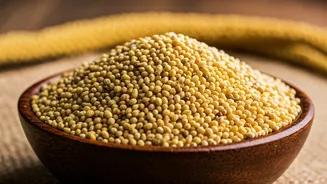
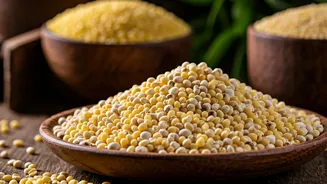
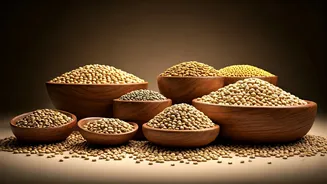
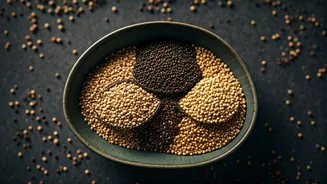
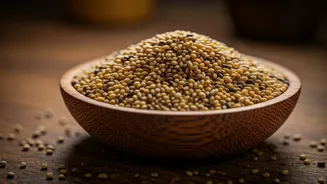
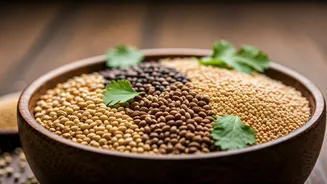
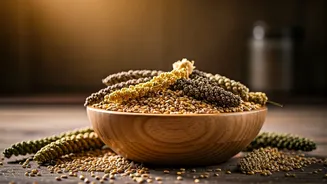
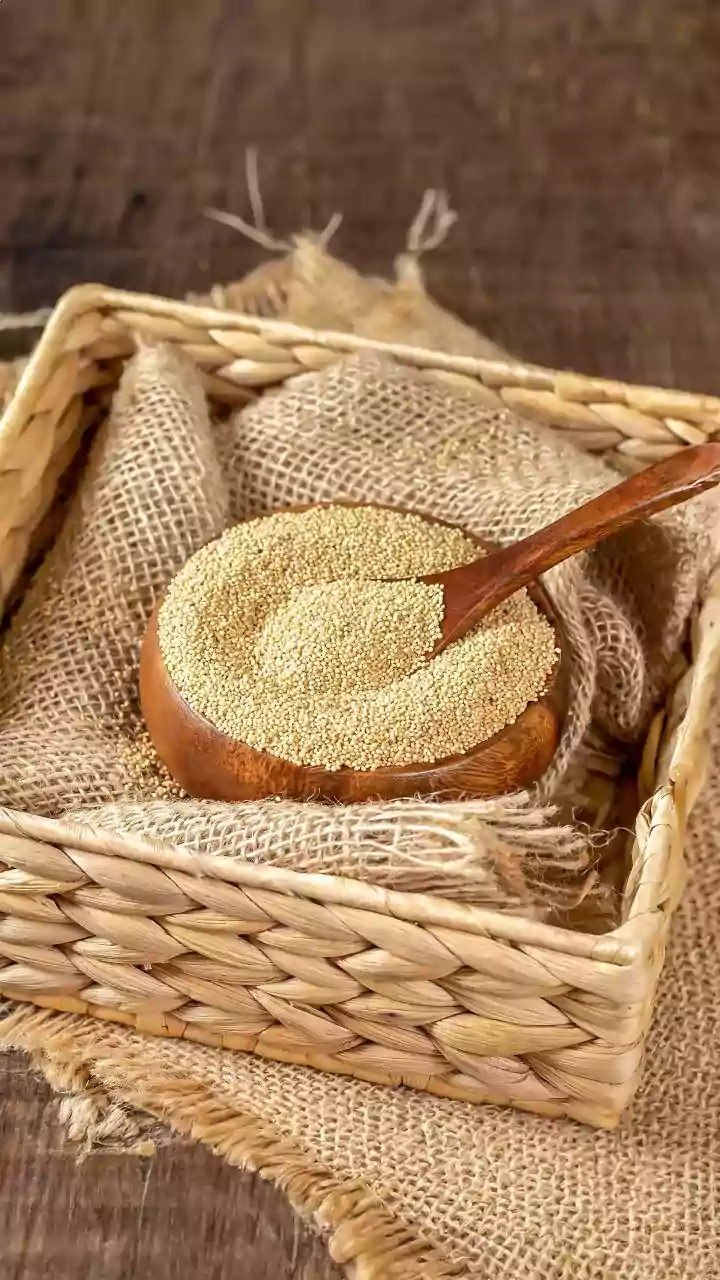
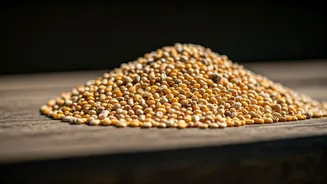
Let's get one thing out of the way: if your only association with millet is the stuff you put in a bird feeder, it’s time for a major re-evaluation. That's like saying grapes are only for looking at in a fruit bowl. The term 'millet' actually refers to a diverse group of small-seeded grasses, including varieties like pearl millet (bajra), finger millet (ragi), foxtail millet (kangni), and sorghum (jowar). Each has a distinct flavor, texture, and color. In India, these grains were traditionally ground into flour for flatbreads like bhakri or roti, cooked into savory porridges called khichdi, or fermented for drinks. This wasn't just about sustenance; it was about resilience. Millets thrive in arid conditions with minimal water, making them a far more sustainable and climate-smart crop than thirsty staples like rice and wheat. This incredible adaptability is a key reason modern agriculturalists and environmentalists are so excited about its comeback.
The Nutritional Powerhouse
The wellness world’s obsession with millet isn't just about good PR. Gram for gram, these grains pack a serious nutritional punch. They are naturally gluten-free, making them an excellent choice for those with celiac disease or gluten sensitivity. They are also rich in dietary fiber, which aids digestion and helps maintain a feeling of fullness. But the benefits don't stop there. Millets are a fantastic source of plant-based protein, antioxidants, and essential minerals like magnesium, phosphorus, and iron. Unlike refined grains that can cause sharp spikes in blood sugar, most millet varieties have a low glycemic index, releasing energy slowly and steadily. This 'millet energy' isn't a marketing gimmick; it's a real, tangible benefit that’s making the grain a favorite among athletes, diabetics, and anyone looking for a more balanced and nourishing carbohydrate source.
From Porridge to Gourmet Plates
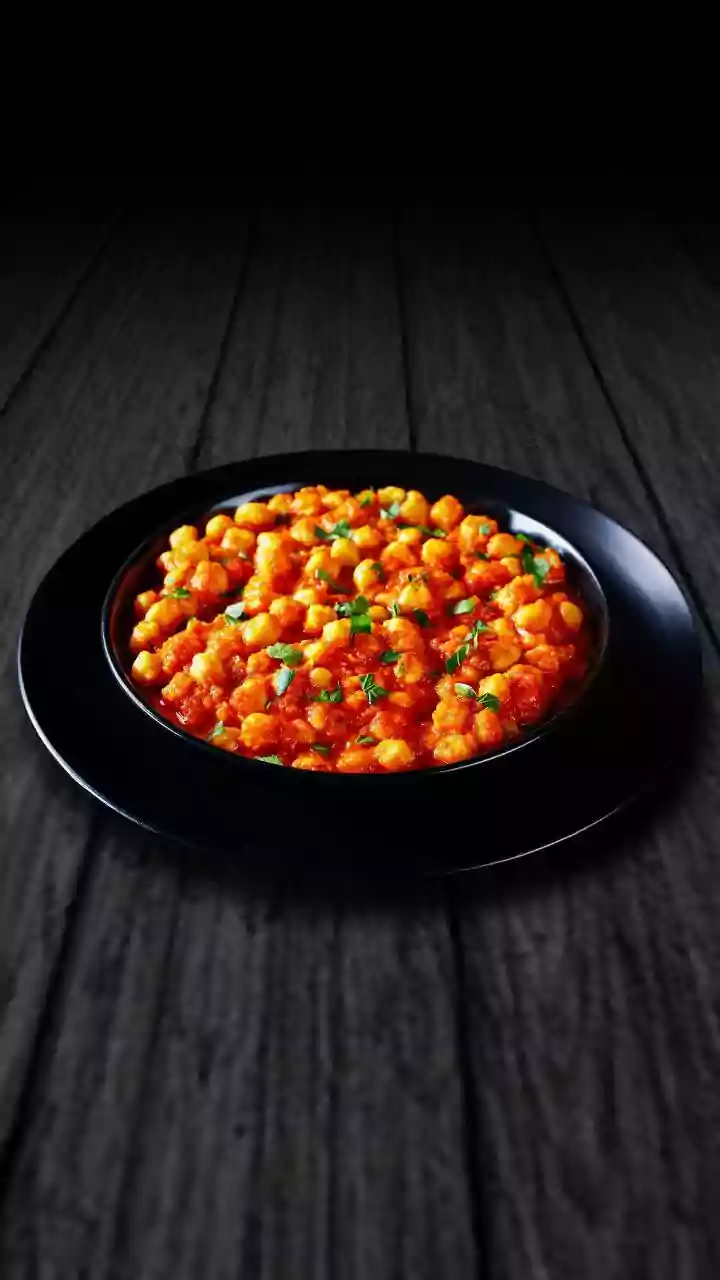
Perhaps the most exciting part of millet’s revival is seeing its incredible culinary versatility unleashed. While traditional preparations remain beloved, chefs in India and across the U.S. are now experimenting with millet in creative and delicious ways. The slightly nutty, earthy flavor of millet makes it a perfect canvas. You can find it used as a base for hearty salads, simmered into a creamy risotto-style dish (a 'milletto,' if you will), puffed like popcorn for a crunchy snack, or used in gluten-free baking for everything from pancakes to cookies. Modern Indian restaurants are deconstructing and reimagining classic dishes, serving millet upma with artisanal toppings or crafting delicate millet dosas. It's even found its way into craft breweries, where its unique flavor profile is being used to create distinctive gluten-free beers. This wave of innovation proves that millet is not just a 'health food' to be endured but a dynamic ingredient ready for its close-up.