

The Soul-Deep Allure of Chatpata
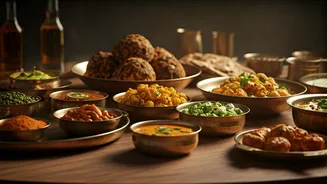
Before we get to the 'smarter' part, we need to talk about 'chatpata.' It’s a word that’s hard to translate but easy to understand once you’ve tasted it. It’s the explosive symphony of flavors you get from street-side chaat, the puckering tang of tamarind,
the slow burn of chili, the sharp hit of black salt, and the fresh kick of mint and cilantro. It’s the flavor of after-school snacks, rainy-day cravings, and festive gatherings. For generations, chatpata has been synonymous with pure, unadulterated indulgence. It’s the flavor of deep-fried samosas, crispy sev sprinkled over everything, and potato-stuffed anything. It was never meant to be healthy; it was meant to be happy. This flavor profile is the undisputed king of Indian comfort food, a culinary anchor for over a billion people.
Enter the 'Smarter' Mandate
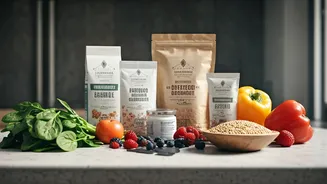
So, what happens when a culture steeped in these indulgent flavors collides with the global wellness wave? You get India's new food mood. A confluence of factors is driving this change. First, a growing, more affluent middle class has greater access to information about health and nutrition. Second, there's a rising awareness of lifestyle diseases like diabetes and heart conditions, which are prevalent in the country. Third, global trends seen on Instagram and TikTok—from gluten-free diets to plant-based eating and clean-label products—are influencing urban Indian consumers, particularly millennials and Gen Z. They’re not willing to abandon the flavors they grew up loving, but they are demanding more from their food. They want transparency, better ingredients, and preparation methods that don’t leave them with a food coma and a side of guilt.
Innovating the Indian Snack Aisle
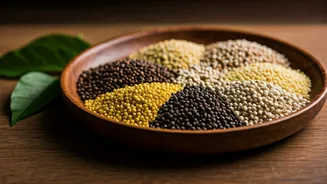
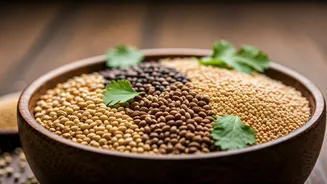
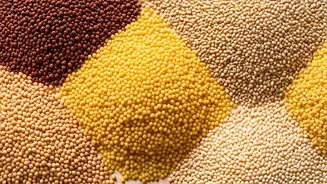
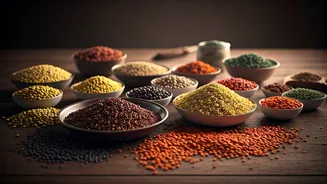
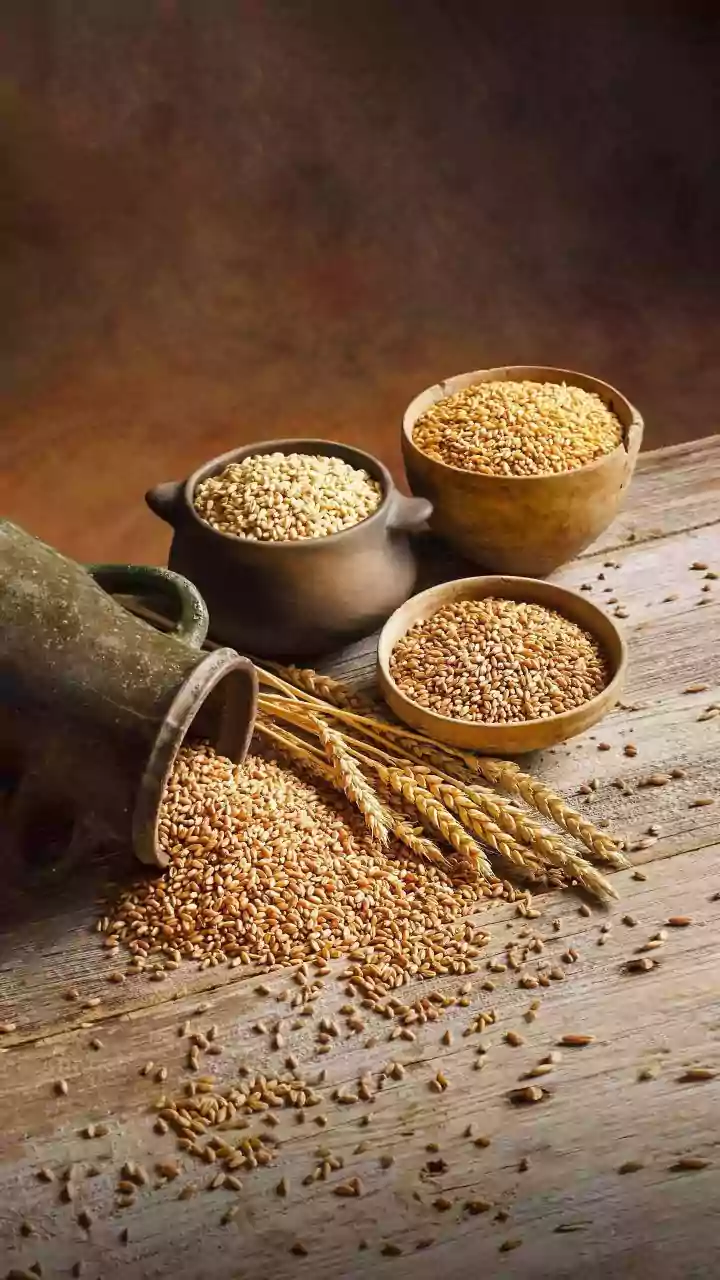
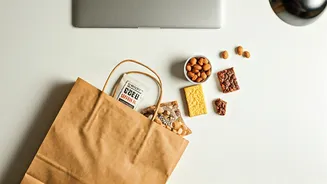
This is where the magic happens. The challenge for food innovators has been to deliver that addictive chatpata punch without the traditional baggage of excess oil, sugar, and refined flour. And they are succeeding brilliantly. Walk down a supermarket aisle in Mumbai or Bangalore today, and you'll see the evidence. That classic fried potato chip now has company: baked lentil chips, vacuum-fried okra crisps, and spiced beetroot chips. Puffed, fried snacks made from rice and corn are being replaced by snacks made from ancient grains like millet (jowar, bajra) and quinoa, which are baked or roasted, not fried. These new-age snacks are often seasoned with the same classic 'masalas'—a mix of dried mango powder, cumin, and chili—that make traditional snacks so irresistible. The result is a product that scratches the chatpata itch while offering more protein, more fiber, and fewer empty calories. It’s the same satisfying crunch and flavor, just delivered in a more modern, mindful package.
More Than Just a Snack
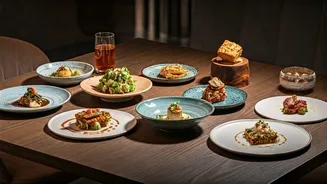
This trend extends far beyond packaged snacks. It’s reshaping home kitchens and restaurant menus. Traditional recipes are being re-engineered. For instance, the base of a curry might be made with a blend of yogurt instead of heavy cream. Traditional flatbreads like parathas, often laden with ghee or oil, are being made with multigrain flours and cooked with minimal fat. Even India's legendary love for sweets is getting a makeover. Entrepreneurs are launching brands of sweets that replace refined sugar with natural alternatives like dates, jaggery, or stevia, and use nut flours instead of refined white flour. Restaurants are highlighting 'healthy' sections on their menus, offering air-fried appetizers and salads featuring Indian flavors. It signals a fundamental shift from viewing healthy food as something bland and foreign (like a boring salad) to finding the health within India’s own rich culinary heritage by simply making smarter choices.