



The Modern Obsession with Gut Health
It seems like everywhere you turn, someone is talking about the gut microbiome. This bustling internal ecosystem of trillions of bacteria, fungi, and other microbes has become the wellness world's biggest star. We’re told that keeping it balanced is the key
to everything from better digestion and a stronger immune system to improved mood and clearer skin. This has sparked a gold rush for probiotic supplements, kombucha on tap, and artisanal kimchi. But while we’re busy 'discovering' the power of beneficial bacteria, many cultures have been nurturing their guts for centuries, not with expensive pills, but with simple, homemade staples. It’s a classic case of science finally explaining the magic that grandmothers have always known.
Dahi: The Everyday Probiotic Hero
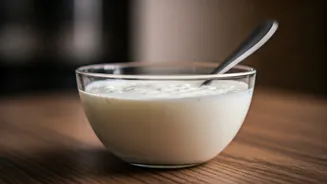
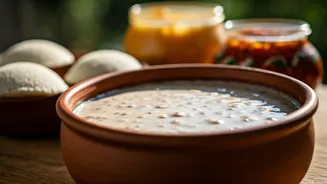
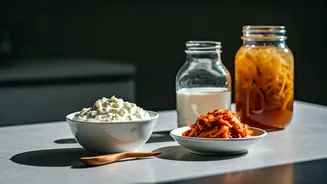
If you grew up in or around an Indian household, you know dahi. It’s not just yogurt; it’s a culinary cornerstone. Served alongside a spicy curry to cool the palate, blended into a refreshing lassi, or used as a base for marinades, dahi is ubiquitous. Unlike many commercial yogurts in U.S. that are loaded with sugar and pasteurized (which can kill beneficial bacteria), traditional dahi is a living food. It’s made at home by simply adding a starter culture (a spoonful of previous dahi) to warm milk and letting it ferment on the counter overnight. The result is a tangy, creamy, and profoundly simple food teeming with live probiotic strains like Lactobacillus. Grandma didn’t need to know the names of the bacteria; she just knew a bowl of dahi at the end of a meal settled the stomach and aided digestion. She was right—it’s a natural, effective way to replenish the good bacteria your gut needs to thrive.
Kanji: The Tangy, Fermented Super-Drink
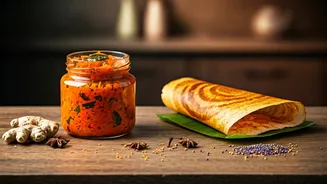
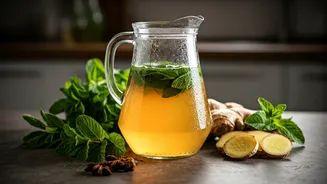
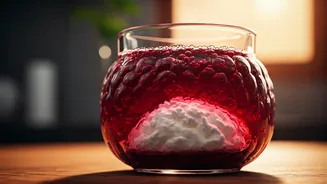
While dahi is a household name, its funky cousin, kanji, is a lesser-known gem that deserves the spotlight. Kanji is a fermented drink traditionally made in North India during the winter months when certain vegetables are in season. The most classic version uses black carrots, which give the drink a stunning, deep magenta hue. The process is brilliantly simple: carrots, water, salt, and spices like mustard seeds are placed in a glass or ceramic jar and left to ferment in the sun for a few days. The wild yeasts and bacteria present on the carrots and in the air go to work, transforming the sweet liquid into a sour, savory, and tangy drink that zings with flavor. This fermentation process creates a powerhouse of probiotics. Known as a 'blood cleanser' and digestive aid in traditional lore, kanji is essentially a naturally carbonated, vegetable-based probiotic shot. It’s the kind of complex, flavorful, and functional beverage that modern wellness brands are trying to bottle, but it’s been perfected in home kitchens for generations.
Food, Not Just a Supplement
What makes the wisdom behind dahi and kanji so powerful is the context. These weren’t seen as supplements to be choked down; they were integral, enjoyable parts of a meal. The dahi balanced the heat of a chili, and the kanji was a refreshing drink enjoyed in the afternoon sun. This approach views health holistically. Instead of isolating a single compound (like a probiotic in a capsule), it delivers those benefits in a whole-food package, complete with fiber (in kanji's case) and other nutrients that work synergistically. Grandma’s 'prescription' wasn't a pill; it was a balanced, flavorful plate of food. It’s a reminder that the most sustainable wellness practices are often the ones that are woven into the simple, delicious fabric of our daily lives.