




More Than Just Leftover Rice
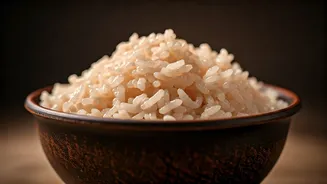
When you hear “fermented rice,” don’t picture a forgotten takeout container. This is a purposeful culinary process with deep historical roots, particularly in East and Southeast Asia. At its core, fermentation involves using microorganisms—like yeast
and beneficial bacteria (often from a starter culture known as koji in Japan or nuruk in Korea)—to transform the starches and sugars in cooked rice. This process not only preserves the grain but also fundamentally changes its nutritional profile and flavor. The result can be anything from a sweet, non-alcoholic porridge like Japanese amazake to the base for alcoholic beverages like sake or Korean makgeolli. This transformation is what unlocks its “superfood” potential, turning a simple carbohydrate into a complex, nutrient-dense food.
A Powerhouse for Your Gut
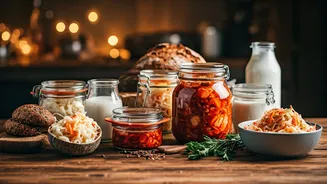
The main driver behind the fermented rice trend is the modern obsession with gut health. And for good reason. Fermented foods are rich in probiotics, the live beneficial bacteria that help maintain a healthy balance in your gut microbiome. A thriving gut microbiome is linked to improved digestion, a stronger immune system, and even better mental health. Unlike some probiotic supplements, fermented rice offers these benefits in a whole-food form, often accompanied by prebiotics—the fiber that feeds the good bacteria. Think of it as delivering not just the workers (probiotics) but also their lunch (prebiotics). This one-two punch makes it an incredibly effective way to support the complex ecosystem living inside you.
Unlocking Hidden Nutrients
The magic of fermentation goes beyond probiotics. The process also makes the nutrients in rice more bioavailable, meaning your body can absorb and use them more easily. Fermentation breaks down “anti-nutrients” like phytic acid, which can inhibit the absorption of minerals such as iron and zinc. At the same time, the microbial activity synthesizes new vitamins, particularly B vitamins like folic acid, and creates beneficial amino acids and enzymes. Essentially, the fermentation process pre-digests the rice for you, making it gentler on your digestive system and unlocking a wider array of nutrients than you’d get from a standard bowl of steamed rice. For those sensitive to grains, this can make rice a much more agreeable food.
From Ancient Tradition to Modern Kitchens
So why is this ancient practice suddenly trending now? Part of the appeal is its versatility. Chefs in the U.S. are embracing the complex, slightly sweet, and umami flavors of fermented rice products. You might find sake kasu (the lees left over from sake production) used to marinate fish, or amazake blended into smoothies, desserts, and dressings as a natural sweetener. Beyond high-end restaurants, its accessibility is growing. Tubs of amazake are appearing in the refrigerated sections of health food stores and Asian markets. The wellness world has also embraced a related trend: fermented rice water, used for centuries as a hair and skin treatment, is now a star ingredient in beauty products, praised for its purported ability to strengthen hair and brighten skin.
How to Get Started
Curious to try it? The easiest entry point is Japanese amazake. It has a creamy, porridge-like consistency and a natural sweetness. You can eat it plain, warm it up like oatmeal, blend it into a smoothie for a probiotic boost, or use it as a sugar substitute in baking. Look for it at Japanese markets or well-stocked health food stores. For the more adventurous, exploring foods made with nuruk or trying a dish that incorporates sake kasu at a forward-thinking restaurant can provide a deeper dive into the world of fermented grains. Whether you eat it, drink it, or even apply it to your hair, it’s a trend that connects modern wellness science with centuries of culinary wisdom.