



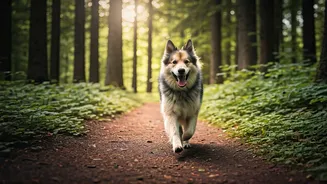
Think Beyond the Dog Park
Your local dog park is great for a quick romp, but it doesn't quite scratch the itch for exploration. True local travel means discovering new sights, sounds, and smells—for both of you. Use apps like AllTrails (with its “dog-friendly” filter) or websites
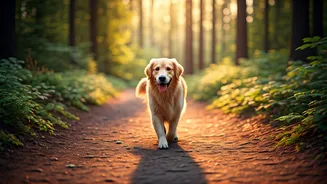
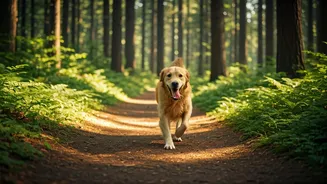
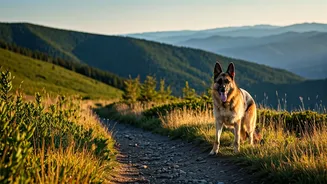
like BringFido to uncover hidden gems you never knew existed. State parks, national forests, and multi-use community trails often offer miles of pet-welcoming paths. Look for historic town centers with wide sidewalks or waterfront promenades that allow leashed pets. The goal is to find a place that feels like a destination, not just a patch of grass.
Gear Up for Adventure
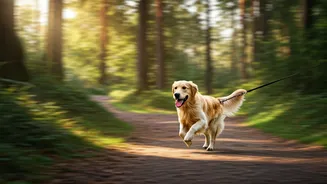
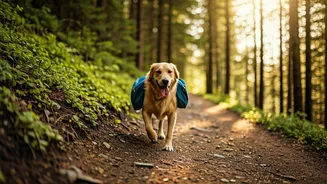
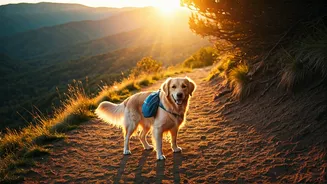
A successful outing is all about preparation. While you probably always have basics like waste bags and a leash, a dedicated adventure walk requires a bit more. A hands-free leash can be a game-changer, freeing you up to take photos or navigate. Pack a collapsible water bowl and more water than you think you’ll need. For longer hikes, dog booties can protect sensitive paws from hot pavement, sharp rocks, or icy ground. A small, pet-specific first-aid kit with antiseptic wipes and bandages is also a wise addition to your daypack. Being prepared means you can handle minor issues without cutting the fun short.
Speak Their Language: The Sniff Walk
For humans, a walk is often about getting from point A to point B. For a dog, it’s about reading the “news” of the neighborhood. A dog’s sense of smell is its primary way of understanding the world. Allowing your dog ample time to sniff on a new trail is the equivalent of letting a tourist read every historical plaque. This “sniffari” provides immense mental stimulation, which can be just as tiring and satisfying as physical exercise. Instead of rushing, embrace a slower pace. Let their nose lead the way (within reason). You'll find it helps you slow down and notice the smaller details of your surroundings, too.
Master Trail Etiquette
Being a good ambassador for all pet owners ensures that trails remain welcoming. Keep your dog leashed unless you are in a designated off-leash area and have a rock-solid recall. Not everyone loves dogs, and other dogs may be reactive. Always yield the trail to others—step aside and keep your dog in a short “heel” position to let hikers, bikers, or horses pass. And the most important rule: leave no trace. This means packing out everything, including all pet waste. A good guest gets invited back, and that applies to our public lands.
Build an Itinerary Around the Walk
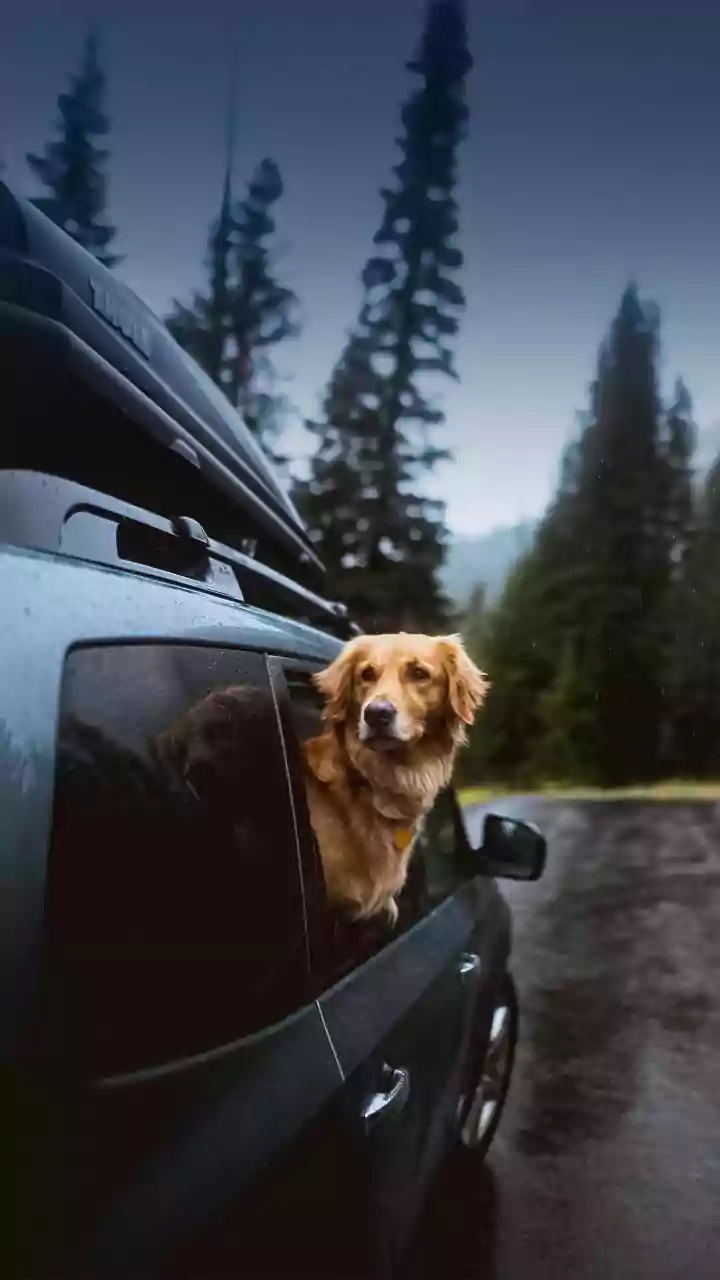
Transform a simple walk into a full-fledged day trip. Start by researching your chosen trail, then look for other dog-friendly spots nearby. Is there a brewery with a pet-friendly patio for a post-hike refreshment? A town square with a coffee shop that has outdoor seating? Maybe a drive-in movie theater or a local farm stand that welcomes leashed companions? Planning a couple of stops turns the day into a richer experience for you and provides your dog with varied, stimulating environments. It’s the difference between an errand and a cherished memory.
Prioritize Safety and Comfort
Adventure is fun, but your pet’s well-being is paramount. Before you go, check the weather and trail conditions. Hot asphalt can burn paw pads, and icy paths can cause slips and falls. Be mindful of your dog's fitness level and age—don't drag a senior pug on a 10-mile mountain trek. Keep an eye out for signs of exhaustion or overheating, such as excessive panting, lagging behind, or stumbling. Know the local wildlife; in some areas, you may need to be wary of snakes, ticks, or even larger animals. A safe dog is a happy dog, which is the whole point of the trip.