






The Rhythm of the Rain
For many travelers, monsoon season is something to be avoided—a time of canceled plans and soggy sightseeing. But for a growing number, it’s the entire point. In places like Kerala, India, or the highlands of Southeast Asia, the monsoon transforms the landscape
into a stunning, electric green. The air is cool and clean. And instead of bustling tourist traps, you find a quieter, more contemplative world. A homestay during this season is an invitation to slow down. You’re not just a guest in a building; you’re a temporary resident in a home, observing the rhythm of daily life as it adapts to the weather. The day isn’t structured around a packed itinerary but around the ebb and flow of the downpours. A morning of heavy rain might mean more time on the veranda with a book and a cup of chai, watching the world wash clean. An afternoon break in the clouds is a chance for a walk through glistening, fragrant spice gardens.
Beyond the Standard Menu
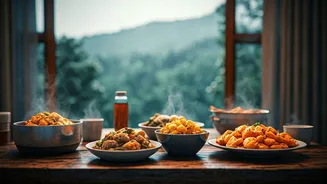
In a hotel, food arrives from a central kitchen, standardized for a transient audience. It can be delicious, but it’s rarely personal. In a homestay, the menu is often whatever the family is eating. It’s a direct line into the culture, a culinary experience that’s impossible to replicate in a restaurant. The meals are dictated by the season. The monsoon brings with it specific vegetables and herbs that flourish in the wet soil. You might encounter dishes you’d never find on a tourist menu—stir-fried fiddlehead ferns foraged from the hillside, or a curry made with jackfruit seeds, a common staple when other vegetables are less abundant. This isn’t food designed to impress; it’s food designed to nourish, comfort, and sustain. It’s honest.
A Story in Every Dish
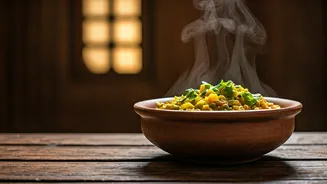
What truly makes the experience personal is the story behind the food. When your host ladles a fragrant lentil stew onto your plate, they might mention it’s a recipe passed down from their grandmother, perfected to be extra warming on a rainy evening. They’ll point out the window to the very tree where the coconuts were picked for the morning’s chutney. The fish in the curry was bought from a fisherman who came to the door just hours earlier, his catch fresh from the swollen river. Suddenly, a simple meal becomes a narrative. You’re not just a consumer; you’re a participant in a local ecosystem of food and family. You learn that a certain combination of spices isn’t just for flavor but is also considered a remedy for a monsoon-season cold. The sourness in a dish comes from a specific local fruit that balances the richness of coconut milk. Each bite is a lesson in agriculture, tradition, and domestic history.
The Kitchen as a Gathering Place
In a homestay, the kitchen is often the true heart of the home. More often than not, guests are welcomed into this space. You might find yourself helping shell peas or learning the art of grinding spices on a stone. It’s in these moments, surrounded by the sights and smells of a home kitchen, that the barrier between host and guest completely dissolves. Conversations flow more freely over a chopping board than a reception desk. You share stories about your own family, your own favorite foods, and your own life back home. The act of preparing and sharing a meal is a universal language of hospitality and care. It’s what transforms a transaction—paying for a room—into a genuine human connection. You leave not just with photos of a beautiful landscape, but with the memory of a shared table and the lingering taste of a home-cooked meal.