






1. Rethink Your Wardrobe Entirely
In a humid, rainy environment, your favorite cotton t-shirt becomes your worst enemy. Cotton absorbs moisture and takes forever to dry, leaving you feeling clammy, cold, and uncomfortable. The mantra for monsoon travel is “cotton is rotten.” Instead,
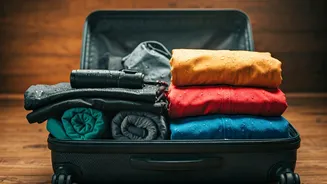
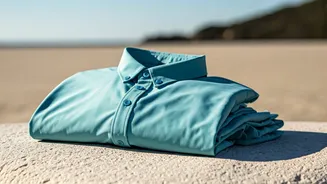
build your wardrobe around fabrics designed to handle moisture. Merino wool is a champion; it wicks moisture away from your skin, regulates temperature, and resists odor even after multiple wears. High-quality synthetics like polyester and nylon are also excellent choices. They don't absorb water, so they dry incredibly fast, often just by being hung up in a room with a fan. Pack a few synthetic or merino tops, a pair of lightweight nylon travel pants, and convertible pants that can turn into shorts when the sun makes a brief appearance.
2. Choose Footwear That Breathes
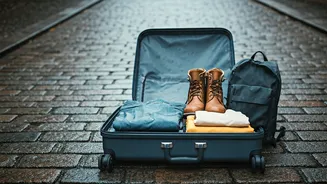
Soggy shoes are a fast track to blisters and misery. Your heavy, waterproof hiking boots might seem like a good idea, but they can be a trap. Once water gets in over the top—and it will—they can take days to dry out, becoming heavy, smelly incubators for bacteria. A better strategy is to embrace the wetness with footwear that can handle it. Look for sandals with sturdy, non-slip soles designed for water, like those from Keen or Teva. Another great option is a pair of trail running shoes with a mesh upper. They offer support and protection but are designed to drain water quickly and dry out overnight. Whatever you choose, avoid leather and anything with a cotton lining. And always pack a second pair of shoes so one can dry while you wear the other.
3. Your Backpack Is Your First Line of Defense
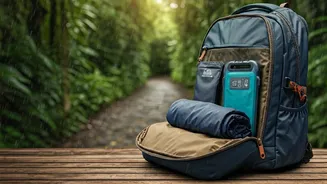
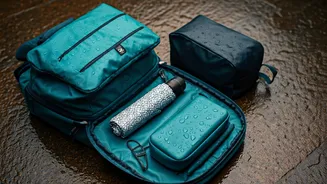
Your backpack holds all your precious, dry gear, so protecting it is paramount. While many packs claim to be “water-resistant,” a sustained downpour will eventually soak through the seams and zippers. Don't take the chance. The most effective solution is a simple, brightly colored rain cover. It’s a lightweight, waterproof shell that fits snugly over your entire pack. Many travel backpacks now come with an integrated one. For an extra layer of security, pack your electronics, documents, and a change of clothes inside dry sacks. These waterproof roll-top bags ensure that even if your main pack gets drenched, your most critical items remain perfectly dry. This double-barrier system is the gold standard for keeping your gear safe.
4. Don't Forget a Quick-Dry Towel
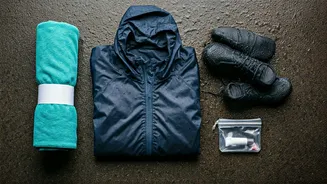
A standard hotel towel is bulky and, like your clothes, can take ages to dry in high humidity. Packing your own quick-dry travel towel is one of the smartest moves you can make. Made from absorbent microfiber, these towels are incredibly lightweight and can be wrung out to be nearly dry. They pack down to the size of a small book and are perfect for everything from drying off after a sudden rainstorm to wiping down a wet seat. They’re also invaluable in budget guesthouses that may not provide daily towel service. After a quick wring, you can hang it from your pack to dry as you walk or leave it in your room, and it will be ready to use again in a couple of hours.
5. Pack the Right Accessories
A few small items can make a huge difference. A sturdy, collapsible travel umbrella is a non-negotiable. It’s useful not just for rain but also for intense sun during breaks in the weather. Bring a few resealable plastic bags (like Ziplocs) in various sizes; they are endlessly useful for protecting your phone, passport, and cash from a sudden deluge. A small, portable clothesline made of braided elastic allows you to hang wet clothes to dry in your hotel room without needing clothespins. Finally, consider bringing a small, waterproof headlamp. Power outages can be more common during stormy weather, and navigating a dark room or street is much easier when your hands are free.