





1. Bio-Designed Peptides
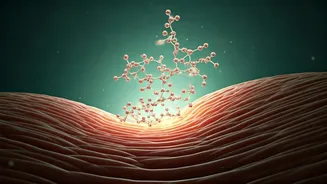
Remember when 'plant-based' was the gold standard? Get ready for the next evolution: 'lab-based.' Bio-designed peptides are created in a lab using biotechnology to be a perfect match for human hair keratin. Unlike plant proteins, which can be a bit of
a clumsy fit, these custom-built molecules are engineered to find damage and patch it with pinpoint accuracy. Think of it like a smart key that only unlocks and repairs the broken parts of the hair strand. This technology moves beyond simply coating the hair; it aims to rebuild it from the inside out. As brands continue to invest in bond-building technology, these hyper-specific, bio-identical peptides are poised to become the star players in high-performance repair treatments.
2. Upcycled Fruit & Vegetable Extracts
The beauty industry is getting a conscience, and your hair is about to benefit. The next wave of sustainability isn't just about recyclable packaging; it's about upcycling. Companies are now looking at the byproducts of the food industry—think discarded coffee cherry husks, citrus peels, and avocado pits—and finding ways to extract powerful antioxidants and nutrients from them. These aren't just eco-friendly filler; they're potent. For example, extracts from upcycled banana peels are rich in potassium and antioxidants that can help with hair elasticity and shine. This trend allows you to get high-performance, vitamin-rich ingredients while also helping to reduce food waste. It’s a win for your hair and a win for the planet.
3. Neuro-Soothers for the Scalp
We're all stressed, and it turns out our scalps are feeling it, too. The 'skinification' of hair is reaching its peak with a focus on the scalp's microbiome and its connection to our nervous system. Enter 'neuro-cosmetics'—ingredients designed to calm and soothe the scalp by targeting nerve receptors. We're talking about sophisticated botanicals like Centella Asiatica (Cica) and adaptogens like Reishi mushroom, which have been shown to reduce the inflammatory signals sent by stressed-out skin cells. This goes beyond a simple anti-dandruff shampoo. These ingredients aim to create a zen-like environment for your hair follicles, reducing itchiness, redness, and the kind of low-grade inflammation that can lead to hair thinning over time. Healthy hair starts with a happy scalp, and in 2026, 'happy' means calm.
4. Advanced Bio-Ferments
Fermentation isn't just for your kombucha anymore. The age-old process of using microorganisms to break down substances is being applied to haircare with incredible results. While rice water has been trending for a while, the next generation involves fermenting ingredients like rosemary, red clover, and even minerals like zinc. Why? Fermentation breaks down large molecules into smaller, more bioavailable ones that your hair and scalp can absorb more easily. It also creates beneficial postbiotics—like peptides, enzymes, and vitamins—that nourish the scalp's microbiome. This process essentially 'pre-digests' the ingredients, unlocking their full potential and making them far more potent than their original, unfermented forms.
5. Polyglutamic Acid (PGA)
You know and love hyaluronic acid (HA) for its hydrating power in skincare. Now, meet its more powerful big sister: polyglutamic acid. PGA is a humectant that can hold up to four times more moisture than hyaluronic acid, making it a superstar for hair hydration. Sourced from fermented soybeans (a staple of the Japanese food natto), PGA forms a smooth, flexible film on the hair's surface. This film not only seals in moisture to combat frizz and dryness but also helps to smooth the hair cuticle, creating a glass-like shine without the weight or buildup of silicones. As consumers seek out alternatives that deliver both intense hydration and a silky finish, expect to see PGA become a hero ingredient in serums, leave-in conditioners, and styling products.