
Choose 'Leggy' Furniture
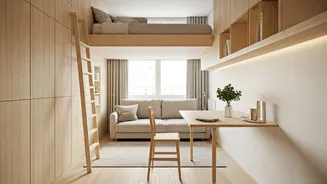
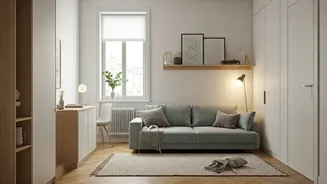
One of the most effective ways to create an illusion of space is to lift your furniture off the ground. Sofas, credenzas, and side tables with visible, slender legs—often called 'leggy' furniture—allow light and air to flow underneath them. This simple
trick lets you see more of the floor, which the brain interprets as a larger, more open room. Contrast this with a bulky, skirted sofa that sits directly on the floor, visually chopping up the space and creating a heavy, dense feeling. Mid-century modern designs are a great source of inspiration for this principle, as they often feature tapered legs that provide elevation and a sense of lightness.
Go Big and Go Home
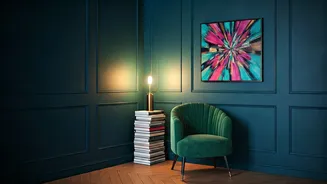
It sounds counterintuitive, but filling a small room with tiny furniture and small decor often makes it feel more cluttered and smaller. Instead, embrace scale. A single, large piece of art can act as a powerful focal point, making a wall seem grander and more intentional than a scattered gallery of small frames. The same goes for rugs. A small rug can feel like a postage stamp, visually shrinking the floor. A larger area rug that most of your furniture can sit on will unify the space and make the room's boundaries feel more expansive.
Master Strategic Lighting
A single, harsh overhead light fixture is the enemy of a spacious-feeling room. It casts shadows in the corners and creates a flat, uninviting atmosphere. Instead, think in layers. Start with ambient light from your main fixture, but then add task lighting (like a reading lamp by a chair) and accent lighting (like a small spotlight on a piece of art or a plant). This variety creates pockets of light and shadow that add depth and dimension. Using mirrors to reflect natural and artificial light is a classic for a reason—it can double the perceived brightness and size of a room instantly.
Think Vertically
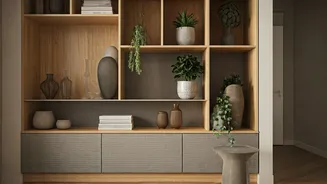
When you can't build out, build up. Drawing the eye upward creates an illusion of height and volume. Use tall, narrow bookcases to store items without taking up precious floor space. Install curtains higher and wider than the actual window frame; placing the curtain rod just a few inches below the ceiling and extending it past the window's sides makes the window—and the entire wall—feel larger. Similarly, vertical stripes on a feature wall or a tall, slender floor lamp can emphasize the height of the room, making it feel less compressed.
Unify Your Color Palette
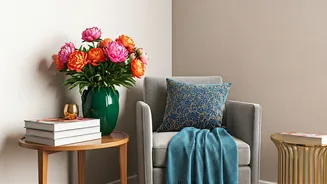
A chaotic mix of colors can make a space feel busy and disjointed. To create a sense of flow and openness, stick to a limited, cohesive color palette. This doesn't mean everything has to be sterile white. You can use soft, light neutrals like beige, gray, or pale blues to create a serene backdrop. Then, carry one or two accent colors throughout the room in small doses—on pillows, throws, or decor items. Painting the walls, trim, and even the ceiling in the same light shade can blur the lines between surfaces, making the room feel like one continuous, expansive space.
Embrace Multi-Functionality
In a tiny flat, every piece of furniture should work hard. Opt for items that serve more than one purpose. An ottoman with hidden storage can hold blankets while also serving as a coffee table or extra seating. A dining table can double as a work-from-home desk. A sleeper sofa is a classic for a reason. By choosing smart, multi-functional pieces, you reduce the total number of items you need, which is the ultimate way to combat clutter and free up visual and physical space for a more comfortable living experience.