





The Golden Age of Complicated Wellness
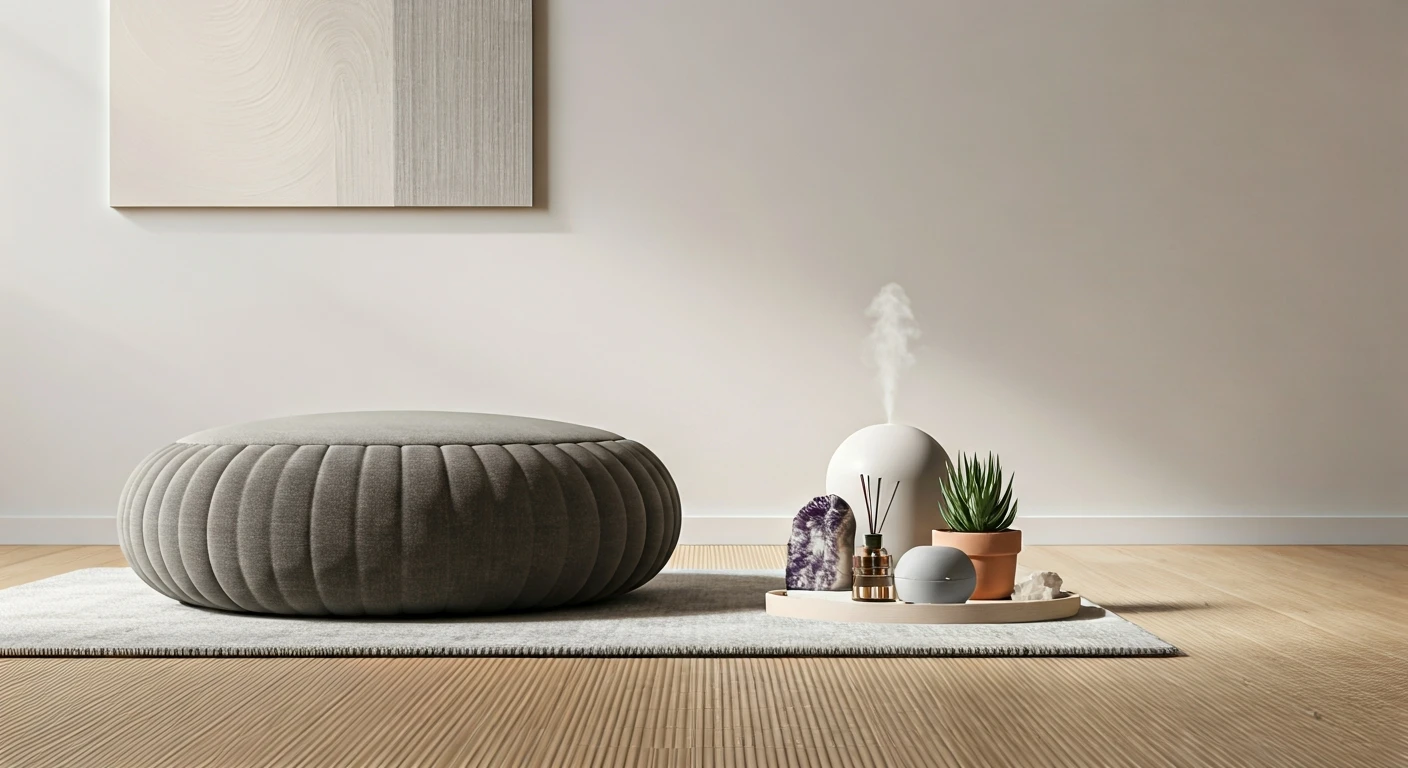
Not long ago, the path to wellness seemed paved with expensive purchases and complex routines. It was the era of the $2,000 smart bike, the infrared sauna blanket, cryotherapy chambers, and adaptogenic powders with names you couldn’t pronounce. Wellness
wasn’t just a state of being; it was a hobby, a status symbol, and a relentless optimization project. Every meal, every step, and every hour of sleep was a data point to be tracked, analyzed, and improved upon. Social media feeds became a highlight reel of green juices, perfectly executed yoga poses, and morning routines that seemed to require the logistical planning of a space launch. The implicit message was clear: if you weren't constantly striving, spending, and upgrading, you were falling behind on your own well-being.
The Burnout and the Backlash
For many, this wellness rat race became exhausting. The pressure to perform self-care perfectly created a new kind of anxiety. Instead of feeling better, people felt inadequate. This constant pursuit came with a hefty price tag, both financially and mentally. The realization dawned: was spending a small fortune on mushroom coffee and a heart rate variability monitor actually making anyone happier? The pandemic accelerated this reckoning. Forced to slow down, many people re-evaluated their priorities. The glamour of hustle culture faded, and the high cost of maintaining a hyper-optimized lifestyle began to feel less like an investment and more like a burden. Economic uncertainty only amplified this sentiment. When budgets are tight, a $40-a-month meditation app is often the first thing to go, especially when you realize a quiet walk in the park is free.
Meet the ‘Rebellious’ Basics
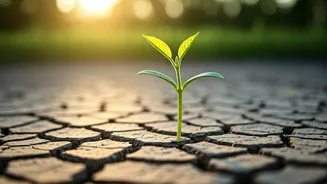
This is where the rebellion begins. It’s a quiet, decentralized movement with no leader and no manifesto, just a shared, unspoken agreement to opt out. The new wellness rebellion isn’t about finding a new, better supplement; it’s about rediscovering the power of the basics. This includes radical concepts like getting eight hours of sleep, taking a daily walk without tracking it, drinking enough water, and spending unstructured time outdoors. It’s cooking a simple dinner at home instead of ordering a paleo meal kit. It’s reading a book instead of scrolling through #wellness content that makes you feel like you're failing. These aren’t new ideas—they are the foundational pillars of health that our grandparents understood instinctively. But in today’s world, choosing simplicity over complexity, and internal contentment over external validation, feels like a revolutionary act.
An Act of Personal Liberation
Framing these basics as a “rebellion” isn't just hyperbole. It’s a conscious rejection of a consumer culture that profits from our insecurities. The modern wellness industry, estimated to be worth trillions globally, thrives on creating problems so it can sell you the solutions. It tells you your gut biome is off, your sleep is unoptimized, and your stress levels are sub-par. By turning your back on this cycle and choosing a simple, free, or low-cost solution, you are reclaiming your autonomy. You are trusting your own body’s signals over an algorithm. This shift is about moving from a mindset of self-optimization to one of self-acceptance. It’s the understanding that wellness isn’t something you buy, but something you cultivate through small, consistent, and deeply personal actions.