





The Ultimate Freedom Ticket
For American travelers accustomed to the great American road trip, New Zealand feels both familiar and fantastical. The roads are impeccable, the signage is in English, and the landscapes look like they were pulled from a movie—because many of them were.
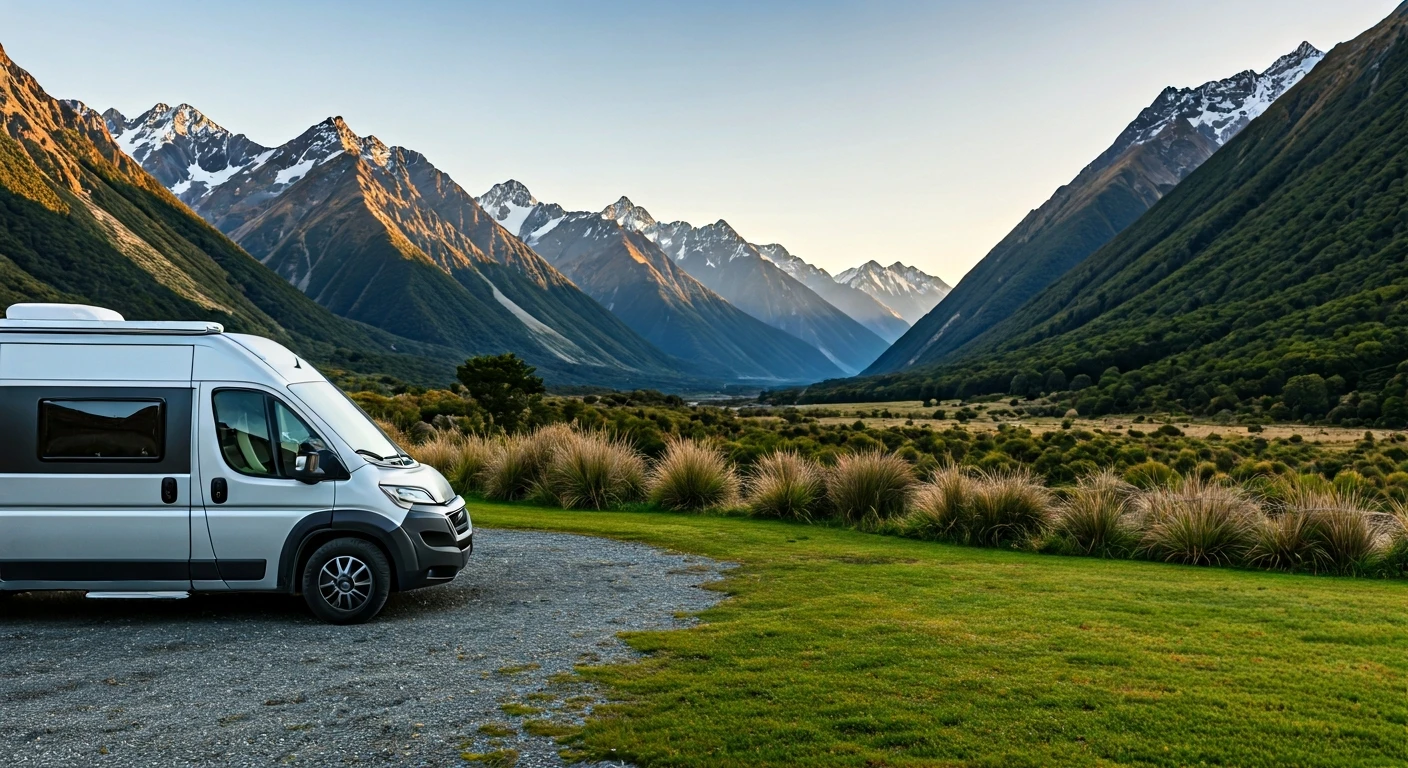
But to truly connect with the epic scale of the country, you need to shed the rigid itineraries of tour buses and hotel check-in times. A campervan is your key to spontaneity. See a stunning, un-signposted lake? Pull over and make lunch. Hear about a perfect surf break from a local? Change your plans and chase the wave. This mode of travel transforms you from a tourist on a schedule into a genuine explorer. It’s the ability to decide that your front yard for the night will be a beach on the Coromandel Peninsula or a valley beneath the snow-capped peaks of the Southern Alps. This isn't just transportation; it's a roving home base for adventure.
Why 'Shared' Is the Secret Ingredient
The headline's mention of “shared” campervans points to two modern, smarter ways to travel. First, there's the vibrant community you instantly join. The moment you get behind the wheel of a camper, you’re part of a club. You'll exchange knowing waves with other van-lifers on the road, share stories and travel tips at communal campsite kitchens, and get advice on the best local pie shop or hidden hiking trail. This shared experience combats the isolation that can sometimes come with solo or couple travel. Second, the rise of peer-to-peer rental platforms has revolutionized the industry. Much like Airbnb or Turo, these services allow you to rent a fully-equipped van directly from a local owner. This often means better prices, more unique and personalized vehicle fit-outs, and the insider knowledge that comes from renting from a Kiwi who knows the land. It’s a more sustainable, authentic, and often more affordable alternative to traditional rental fleets.
Navigating the Rules of the Road
New Zealand welcomes campervans, but it does so with a strong emphasis on protecting its pristine environment. The concept of “freedom camping”—parking for free overnight in designated public areas—is a major draw, but it comes with responsibilities. To do it legally in most regions, your vehicle must be certified “self-contained,” meaning it has its own toilet, freshwater storage, and wastewater tank. This certification is displayed on the vehicle, and rangers do check. For those without a self-contained van, or for anyone wanting more amenities, the country is dotted with excellent options. The Department of Conservation (DOC) runs a network of beautiful, low-cost campsites in stunning natural locations. For hot showers, laundry, and powered sites, private holiday parks are plentiful. Apps like CamperMate and Rankers are indispensable tools for finding approved camping spots, dump stations, and public facilities, ensuring you’re always traveling responsibly and respecting the local “Tiaki Promise” to care for New Zealand.
Crafting Your Perfect Itinerary
The beauty of a van trip is that the itinerary is merely a suggestion. However, it helps to have a loose plan. Most travelers with a few weeks to spare focus on one island. The South Island is the land of raw, dramatic grandeur: the adrenaline hub of Queenstown, the majestic Milford Sound, the glaciers of the West Coast, and the golden beaches of Abel Tasman National Park. It’s a non-stop highlight reel of nature at its most powerful. The North Island offers a different, equally compelling flavor. Here, you’ll find the geothermal wonders of Rotorua, the volcanic landscapes of Tongariro National Park (home to Mt. Doom), the cosmopolitan buzz of Auckland, and the rich Māori culture that is deeply woven into the fabric of the land. Don’t try to do it all. Pick an island, embrace a slower pace, and let the road guide you. The best discoveries are rarely in the guidebook.