




The Garden Under Siege
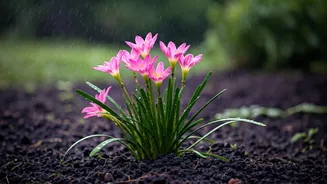
Whether you’re in the American Southwest awaiting the summer monsoons or enduring the sultry, rain-soaked afternoons of the Gulf Coast, this time of year can be tough on a garden. Intense heat paired with torrential rain creates a uniquely challenging
environment. Delicate plants get battered by downpours, fungal diseases flourish in the unrelenting humidity, and soil can become either waterlogged or baked hard by the sun in the brief lulls. Many prized blooms simply give up, leaving behind a landscape that feels more weary than wonderful. It’s a season that demands resilience, both from the gardener and the plants they choose.
Why Hibiscus Thrives in the Drama
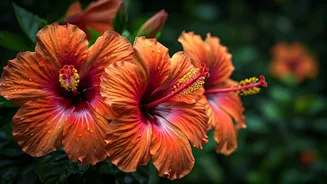
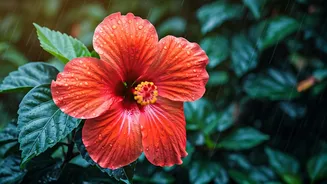
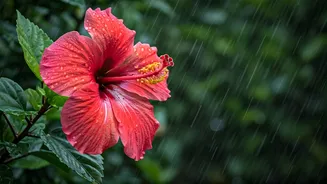
Enter the hibiscus, a plant that doesn’t just tolerate these conditions but seems to revel in them. With its tropical origins, the hibiscus is genetically programmed for a cycle of heat and drenching rain. Its broad, glossy leaves can handle heavy water, and its thirst is perfectly quenched by the frequent soakings. Unlike plants that fear root rot at the first sign of standing water, a well-drained hibiscus loves the consistent moisture, which fuels its most famous feature: a spectacular, non-stop production of enormous, vibrant blooms. While other plants are in survival mode, the hibiscus is hitting its stride, turning the garden’s most challenging season into its most glorious one.
Choose Your Champion: Tropical vs. Hardy
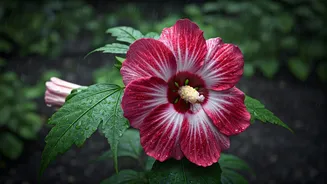
Not all hibiscus are created equal, and choosing the right one is key. The two main players for American gardens are Tropical Hibiscus (Hibiscus rosa-sinensis) and Hardy Hibiscus (Hibiscus moscheutos). **Tropical Hibiscus:** These are the classic, glossy-leaved plants with flowers in a kaleidoscope of colors—fiery reds, sunset oranges, vibrant pinks, and sunny yellows. They are true heat-lovers but are not frost-tolerant. In most of the U.S., they are best grown in containers that can be moved indoors or to a protected patio during winter. They are perfect for adding that lush, vacation-like feel to a patio during the summer monsoon or rainy season. **Hardy Hibiscus:** Also known as Rose Mallow or 'dinner-plate' hibiscus, these plants are a game-changer for gardeners in colder climates. They die back to the ground in winter but return reliably each spring, even in zones as cold as 4 or 5. Their blooms are often even larger than their tropical cousins, reaching up to 10-12 inches across. They love wet feet and are an excellent choice for planting in the ground in areas with heavy summer rain.
A Care Guide for the Rainy Season
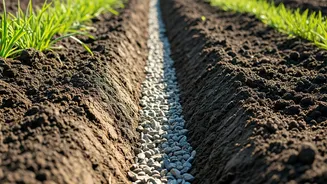
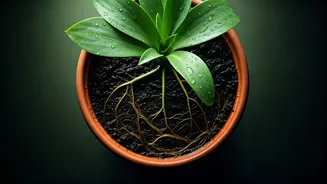
To get the most out of your hibiscus during a wet season, a few specific care tips make all the difference. First, **prioritize drainage.** While they love water, they hate sitting in a stagnant puddle. If your hibiscus is in a pot, ensure it has plenty of drainage holes. If it’s in the ground, amend heavy clay soil with organic matter like compost to improve its structure and prevent waterlogging around the roots. Second, **feed them generously.** Producing those massive flowers takes a lot of energy. Hibiscus are heavy feeders, and the constant rain can leach nutrients from the soil. Use a balanced, slow-release fertilizer or a liquid fertilizer formulated for blooming plants every few weeks during the growing season to keep the flower show going strong. Finally, **ensure good air circulation.** Prune away any crossing branches or dense interior growth to allow air to move through the plant. This is the single best defense against the fungal issues that can pop up in high humidity.