








Time Your Workout Wisely
The most significant factor in heat exposure is the sun itself. The simplest and most effective strategy is to avoid exercising during the hottest part of theday, typically between 10 a.m. and 4 p.m. Shifting your routine to the early morning hours before
the sun gets high or to the early evening after it has started to set can make a world of difference. You'll benefit from cooler ambient temperatures and lower humidity, reducing the thermal load on your body. An early morning run or gym session can also energize you for the day, while an evening workout can be a great way to de-stress. Use a weather app to check the 'feels like' temperature, which accounts for humidity, to make the most informed decision about when to head out.
Hydrate Like It's Your Job
This goes beyond simply chugging water mid-run. Proper hydration is a 24/7 commitment, especially when you're active in the heat. Start hydrating well before your workout begins—aim for 17-20 ounces of water two to three hours beforehand. During your workout, the American College of Sports Medicine suggests drinking 7-10 ounces of fluid every 10 to 20 minutes. For workouts lasting longer than 60 minutes, your body isn't just losing water; it's losing essential electrolytes like sodium and potassium through sweat. Consider a sports drink or an electrolyte supplement to replenish these vital minerals and help your body maintain fluid balance. After your workout, continue to sip water to rehydrate fully. A good rule of thumb is to drink 1.5 times the amount of weight you lost during the exercise.
Dress for Cooling Success
Your clothing is your body's first line of defense against the heat. Ditch the old cotton t-shirt, which traps moisture, and opt for modern, technical fabrics. Look for lightweight, loose-fitting apparel made from moisture-wicking materials like polyester, nylon, or merino wool blends. These fabrics pull sweat away from your skin and allow it to evaporate, creating a cooling effect. Color also matters. Light-colored clothing reflects sunlight, whereas dark colors absorb it, adding to your heat load. Don't forget sun protection: a wide-brimmed, ventilated hat and UV-blocking sunglasses are non-negotiable for protecting your face and eyes from direct sun.
Adjust Your Expectations and Intensity
Your body has to work harder in the heat just to keep itself cool, diverting blood flow to the skin and away from your working muscles. This means your usual pace will feel much more difficult. Don't try to be a hero and push for a personal best on a 90-degree day. Instead, listen to your body and adjust your intensity. Focus on perceived effort rather than pace or weight. If you're a runner, this might mean slowing your pace by 60-90 seconds per mile. If you're lifting, you might reduce the weight or take longer rest periods between sets. The goal is consistency, not a single heroic (and risky) performance. Consider it 'heat training' that will make you feel stronger when cooler temperatures return.
Know the Warning Signs
The most important safety tip is to recognize the early signs of heat-related illness. Don't ignore them. Heat exhaustion is a serious condition that can progress to life-threatening heatstroke if left untreated. Early symptoms include heavy sweating, clammy skin, headache, dizziness, nausea, muscle cramps, and a rapid, weak pulse. If you feel any of these, stop exercising immediately. Find a cool, shady spot, lie down with your legs elevated, and start sipping cool water or a sports drink. Loosen or remove excess clothing. If your symptoms don't improve within 30 minutes, or if they worsen—especially with signs of confusion, fainting, or a high body temperature (103°F or higher)—it's a medical emergency. Call 911.
Change Your Scenery
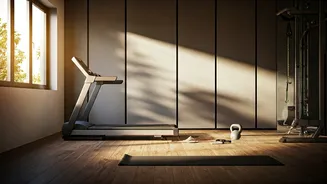
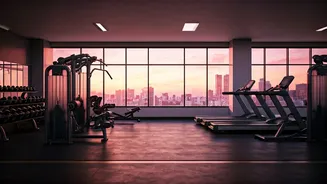
Where you work out is almost as important as when. Asphalt and concrete absorb and radiate heat, making a run through the city significantly hotter than one on a shaded trail. If possible, seek out parks with tree cover or trails near water. The shade and lower ground temperature can provide significant relief. This is also the perfect season to mix up your routine with indoor activities. Explore that air-conditioned spin studio you've been curious about, hit the weight room, or try swimming, which offers a full-body workout in a refreshingly cool environment. Variety can keep your training interesting and prevent burnout while keeping you safe from the worst of the summer heat.