
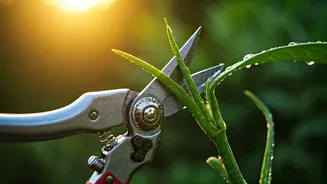


Why June is the Pruning Sweet Spot
Timing is everything in the garden. While the urge to tidy up can strike at any time, June pruning is particularly effective for a few key reasons. By now, most plants have completed their initial explosive spring growth spurt, fueled by longer days and
ample rain. They are now in a period of active, but more stable, growth. Pruning at this stage allows you to shape the plant without stunting its primary development. Wounds from cuts heal quickly in the warm weather, reducing the risk of disease. Furthermore, you can clearly see the plant’s structure and identify any branches that are crossed, damaged, or simply growing in the wrong direction. Unlike late-season pruning, a June trim gives the plant plenty of time to harden off any new growth before the first frost of autumn arrives, ensuring its winter survival.
The Prime Candidates for a June Trim
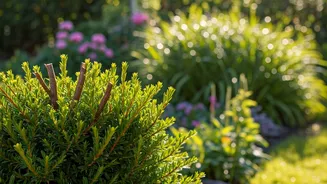
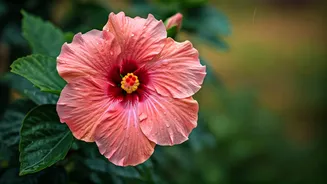
Not every plant in your yard wants a haircut this month. Focus your attention on species that will benefit most. This includes many summer-flowering shrubs, such as butterfly bush (Buddleia), panicle hydrangeas, and roses of Sharon. Pruning them now can encourage a more robust bloom later in the season. Evergreen hedges like boxwood, yew, and arborvitae are also ideal candidates. Shearing them in early to mid-June shapes them for the entire summer. Once they’re trimmed, their growth rate slows, meaning you won’t have to do it again for months. Many herbaceous perennials that have become floppy or overgrown after heavy rains, like catmint (Nepeta), salvias, and Shasta daisies, can be cut back by about a third. This “chelsea chop” encourages a sturdier, more compact habit and often a second flush of flowers.
Hands Off: Plants to Avoid Pruning Now
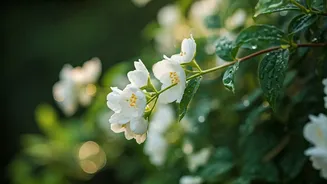
Just as important as knowing what to prune is knowing what to leave alone. The cardinal rule of June pruning is to avoid trimming most spring-flowering shrubs. Plants like lilacs, forsythia, magnolias, rhododendrons, and azaleas have already bloomed and are now busy setting their flower buds for next year. If you prune them now, you are quite literally cutting off next spring’s floral display. The proper time to prune these plants is immediately after they finish flowering, which for most is in late spring. By waiting until the flowers fade, you give them a full year to develop the buds that will produce that spectacular show you wait all winter for. If you’re ever unsure, a quick search for your specific plant’s pruning schedule can save you a year of disappointment.
The Right Cut for the Right Reason
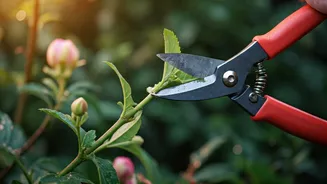
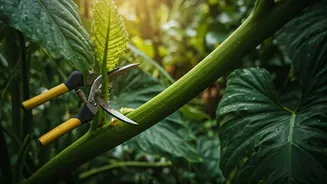
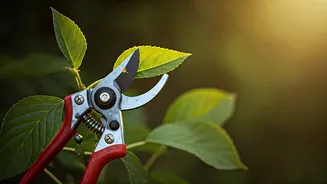
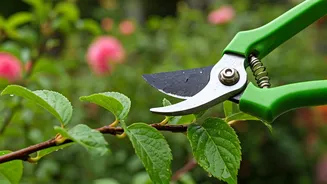
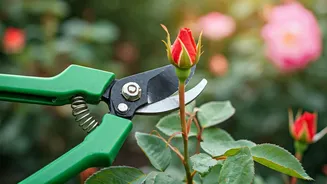
Successful pruning isn’t just about timing; it’s also about technique. For most tasks, you’ll use two basic types of cuts. A ‘thinning cut’ removes an entire branch back to its point of origin on a larger stem or the main trunk. This is the best way to open up the plant to light and air, reduce overall size without ruining its natural form, and remove weak or crossing branches. A ‘heading cut,’ on the other hand, shortens a branch, cutting back to just above a healthy bud. This type of cut is used to encourage bushier growth, as it stimulates the buds below the cut to sprout. Heading cuts are what you use when shearing a hedge or encouraging a perennial to become denser. Always use sharp, clean tools—bypass pruners for smaller stems, loppers for thicker branches—to make clean cuts that heal efficiently.