



The Queen of Hill Stations
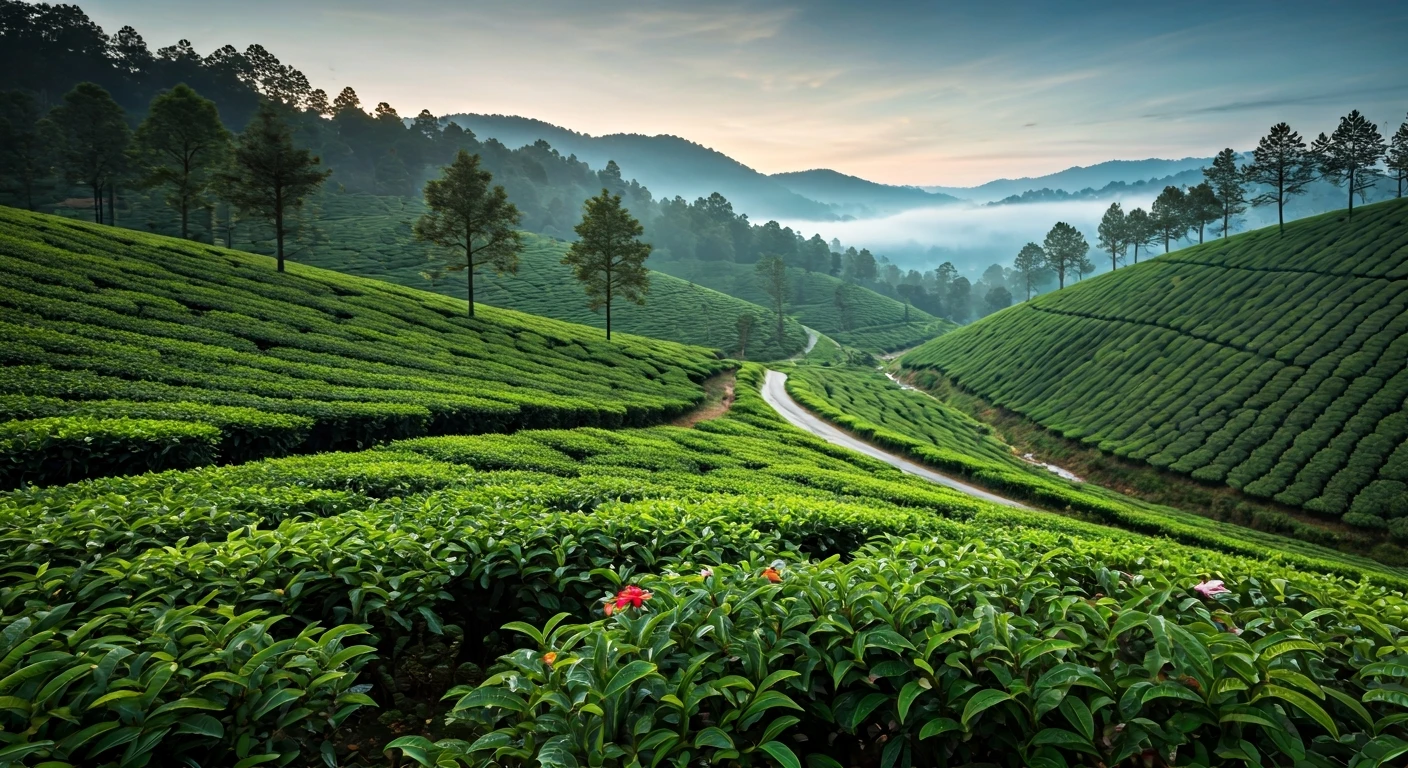
First, for anyone unfamiliar, let’s set the scene. Mahabaleshwar is what’s known in India as a “hill station.” During the British colonial era, these were high-altitude towns built to give the ruling class an escape from the blistering summer heat of
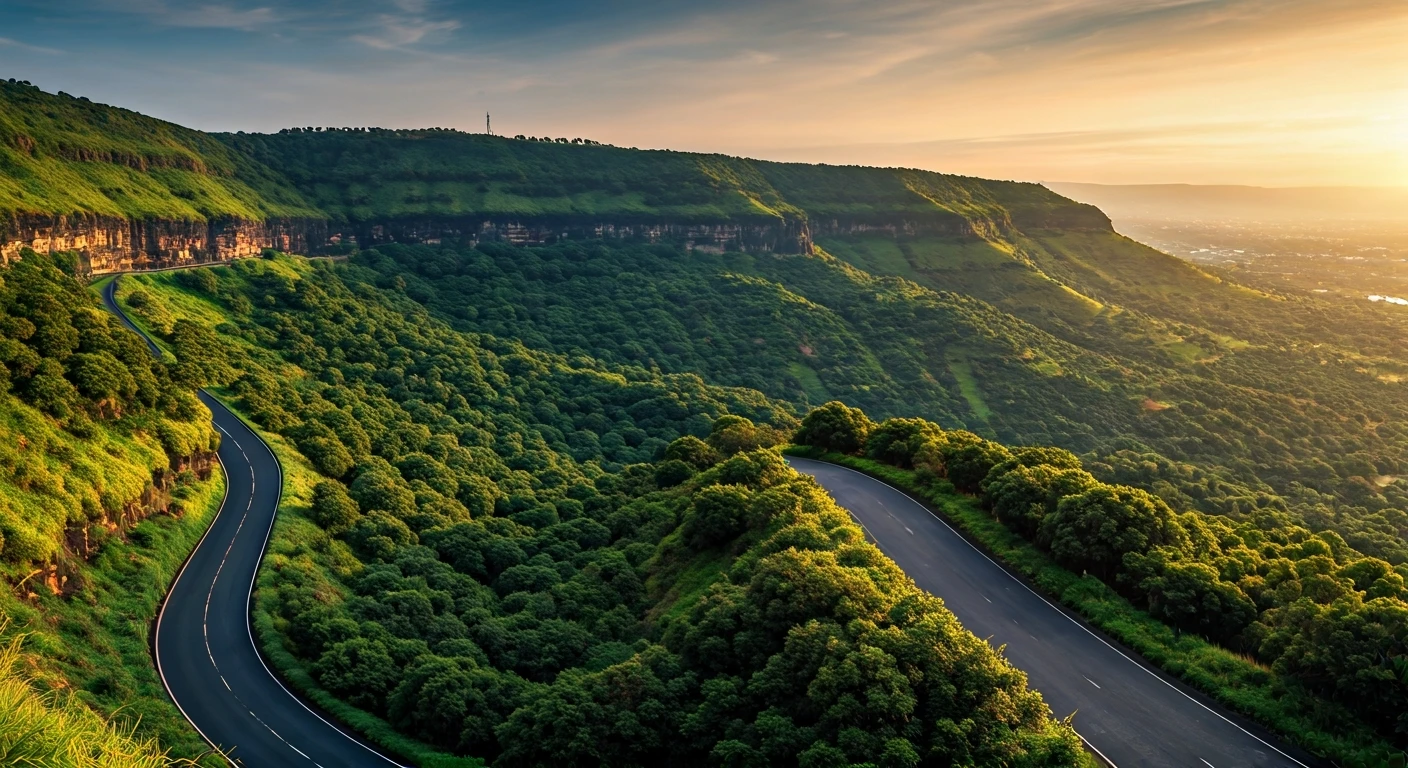
the plains. Think of them as the Hamptons or Martha’s Vineyard of their day, but with misty mountains and monkey-filled forests instead of coastal breezes. For over a century, Mahabaleshwar served as the summer capital for the vast “Bombay Presidency.” Located a few hours’ drive from the bustling metropolises of Mumbai and Pune in the state of Maharashtra, it was a place of genteel promenades, boating on the placid Venna Lake, and afternoon tea. For decades, it remained a beloved, if slightly dated, family vacation spot—the kind of place your parents went on their honeymoon.
From Faded Charm to Modern Romance
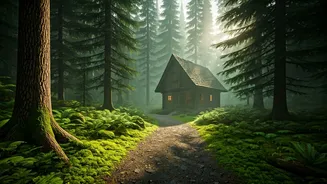
For a while, Mahabaleshwar's charm seemed stuck in the past. It was overshadowed by more exotic international destinations or the buzzy beaches of Goa. It was reliable, familiar, and maybe a little… boring. But something has shifted. The term “romanticising” in the headline is key. This isn't just about a statistical bump in hotel bookings; it's a cultural vibeshift. Younger couples and groups of friends are now driving up the winding ghat roads not just for the nostalgia, but for a newly appreciated aesthetic. They are looking at the old-world architecture, the fog rolling over the viewpoints, and the dense, evergreen forests with fresh eyes. This revival isn’t about erasing the past but curating it. New boutique hotels and design-forward cafes are popping up alongside the classic resorts, offering a blend of historic charm and modern comfort that is proving irresistible.
Strawberry Fields and Sensory Overload
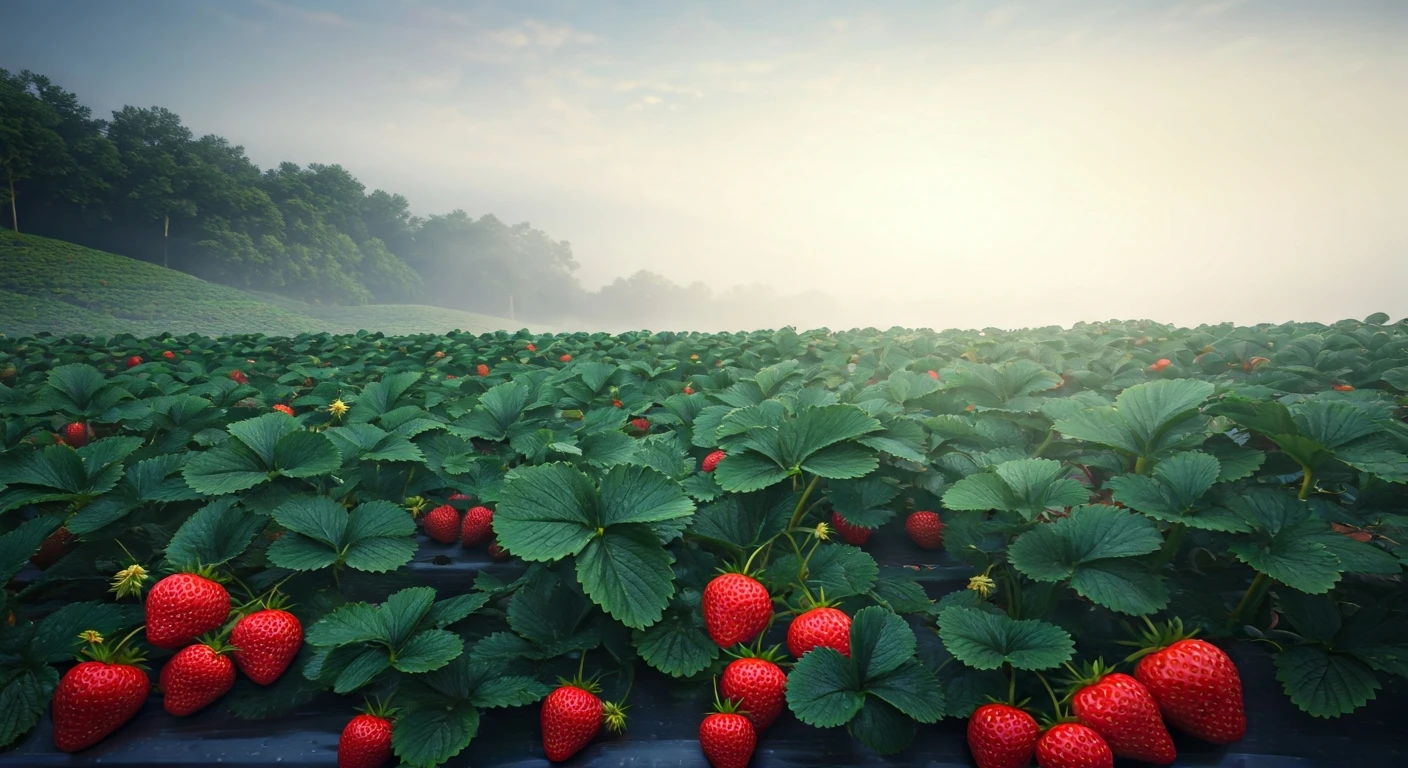
You cannot talk about Mahabaleshwar without talking about strawberries. The town is the strawberry capital of India, producing the vast majority of the country's crop. For visitors, this isn’t just an agricultural fact; it’s a core part of the experience. The air smells faintly sweet. Roadside stalls sell heaping boxes of fresh berries. But the true pilgrimage is to a farm for “strawberry with cream,” a decadent bowl of fresh-picked berries smothered in luscious cream that has become an iconic, must-photograph treat. This sensory appeal extends beyond the fruit. It’s the taste of roasted corn-on-the-cob bought from a vendor at a scenic overlook, the chill of the morning mist on your skin, and the quiet thrill of spotting a giant Malabar squirrel in the trees. It’s a low-fi, nature-driven experience that feels like an antidote to the hyper-digital urban grind.
The Post-Pandemic Rediscovery
Like many places around the world, Mahabaleshwar’s resurgence was supercharged by the pandemic. When international travel came to a halt, millions of Indians turned to domestic tourism, exploring their own backyards with a newfound appreciation. The accessible, drivable distance from major cities made Mahabaleshwar an ideal candidate for a safe and restorative getaway. But what started as a practical choice has since blossomed into a genuine preference. Travelers rediscovered the simple joy of a road trip, the beauty of the local landscape, and the appeal of a slower pace. This wasn't just a placeholder for a trip to Thailand; it was a re-evaluation of what makes a vacation meaningful. Mahabaleshwar offered authenticity, nature, and a connection to a shared past—qualities that now rank high for a generation weary of global uncertainties.