



First, What Is Parama Ekadashi?
Parama Ekadashi is a special day in the Hindu lunar calendar dedicated to the worship of Lord Vishnu. The word 'Ekadashi' literally means 'the eleventh day' in Sanskrit, referring to the eleventh day of each of the two lunar phases in a month. While most
Ekadashis are observed twice a month, Parama Ekadashi is much rarer. It falls during the 'Adhik Maas' or 'Purushottam Maas,' an extra month that is added to the Hindu calendar every two to three years to synchronize it with the solar cycle. This rarity gives it heightened significance. Devotees see it as a particularly auspicious time for spiritual activities, prayer, charity, and self-reflection. The core idea is to detach from worldly distractions and focus one's energy on devotion and inner purification.
The Spiritual Side of Fasting
Fasting, or 'vrat,' is a central component of observing Parama Ekadashi. But this isn't about weight loss or a crash diet. The spiritual purpose of the fast is to minimize bodily demands and metabolic processes so that the mind and spirit can be more alert and receptive to devotional practices. By refraining from certain foods, particularly grains and beans, the body is believed to be less sluggish, allowing for greater mental clarity during prayers and meditation. According to Vedic scriptures, consuming grains on Ekadashi is discouraged because they are believed to absorb negative energies on this particular day. The fast can range from a complete abstention from all food and water to a more common practice of consuming only specific non-grain foods and fruits. It’s less about deprivation and more about redirection—shifting focus from physical sustenance to spiritual nourishment.
So, What's On the Menu?
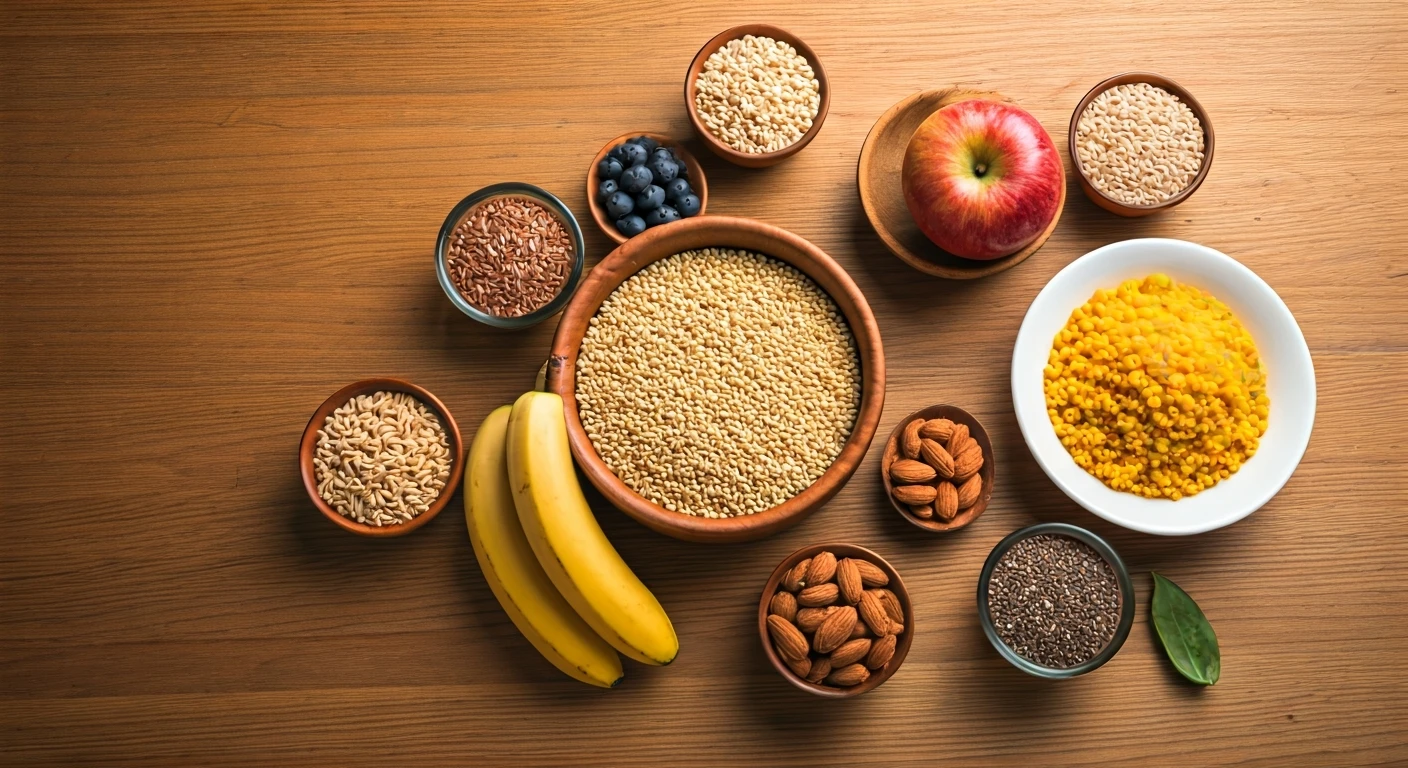
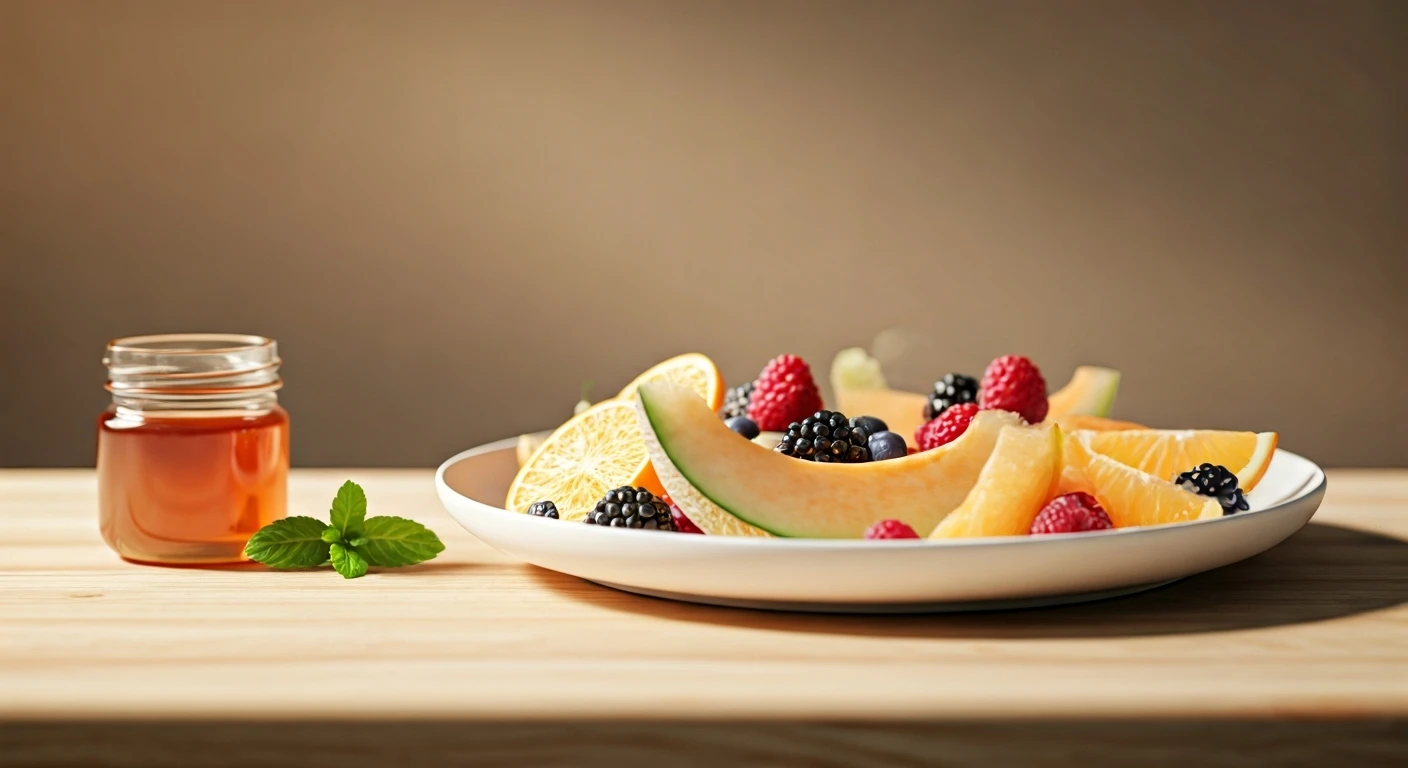
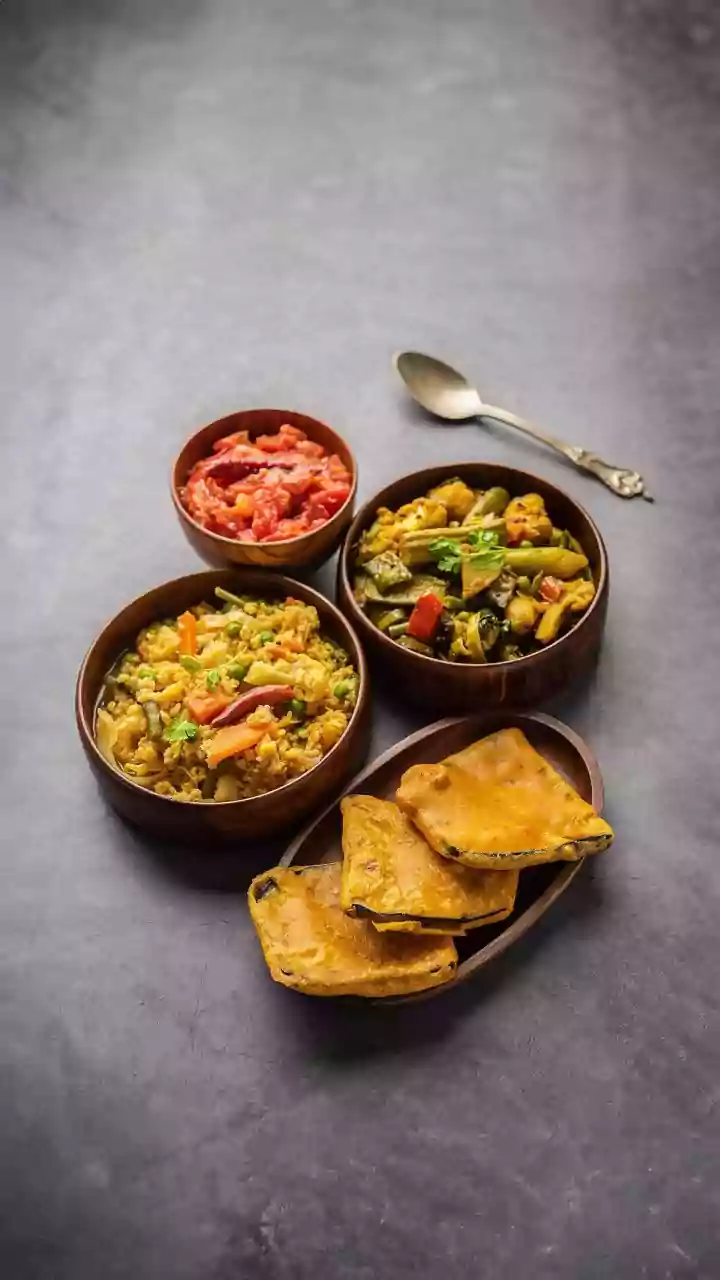
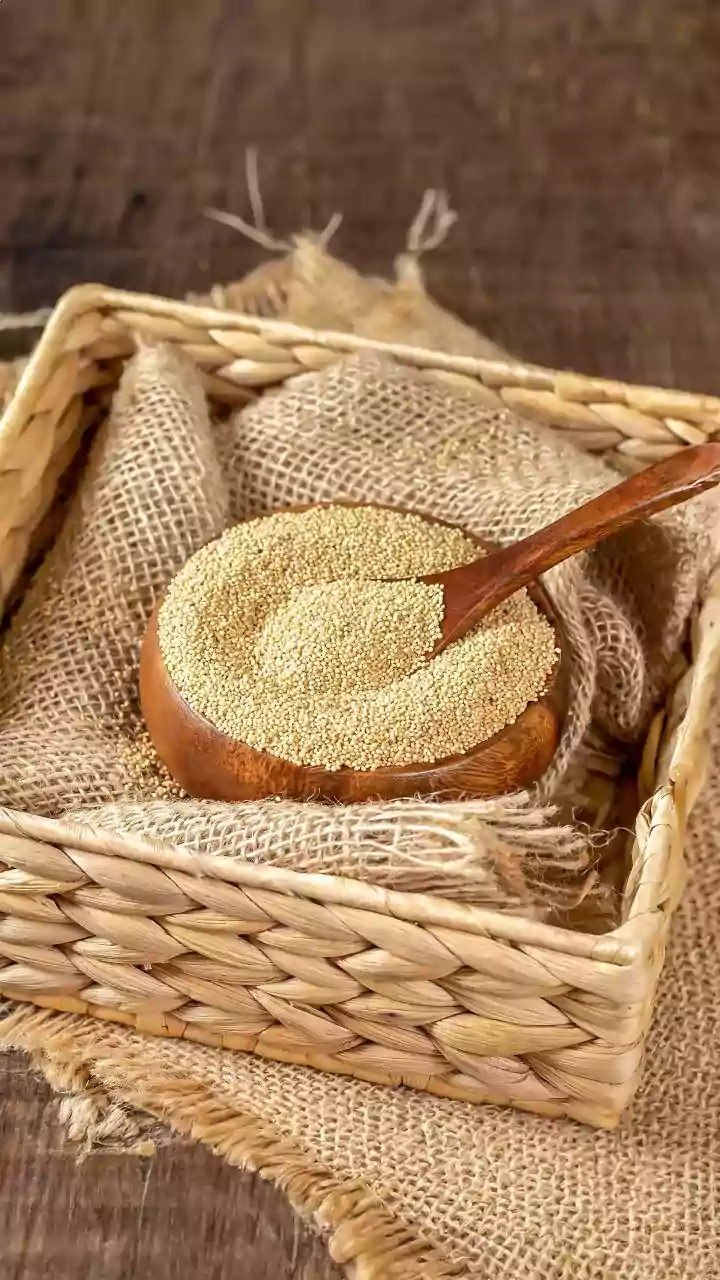
This is where the 'light meals' come in. For those who don't undertake a strict waterless fast, the foods consumed are known as 'vrat ka khana' (food for fasting). These dishes are simple, light, and always vegetarian, adhering to 'sattvic' principles—a diet that promotes purity, calmness, and mental clarity. Grains like wheat and rice, along with lentils and beans, are off-limits. Instead, the diet revolves around fruits, milk products like yogurt and paneer, nuts, and certain vegetables such as potatoes, sweet potatoes, and pumpkin. Flours made from non-grains are also popular, including buckwheat flour ('kuttu ka atta'), water chestnut flour ('singhare ka atta'), and amaranth flour ('rajgira ka atta'). From these ingredients, people prepare simple dishes like potato curry, fruit salads, or small pancakes. The emphasis is on easily digestible foods that sustain the body without weighing it down.
Ancient Wisdom, Modern Wellness
The reason this ancient practice feels so 'trending' is its uncanny resemblance to several modern wellness movements. The Ekadashi fast is, in essence, a form of intermittent fasting, a practice lauded today for its potential health benefits. The specific avoidance of grains mirrors the principles of gluten-free, paleo, and ketogenic diets, which focus on reducing intake of processed carbohydrates. The emphasis on whole, unprocessed foods like fruits, nuts, and vegetables aligns perfectly with the 'clean eating' philosophy that dominates today's health-conscious landscape. While the motivations are different—spiritual purity versus metabolic health—the methods overlap significantly. The idea of giving your digestive system a regular break and focusing on simple, earth-grown foods is a concept that resonates deeply in both ancient spiritual traditions and contemporary wellness culture.