




The Dreaded 'Visa Gauntlet'
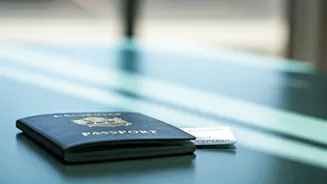
Imagine this: You’ve found the perfect flight deal to a European capital. You’re dreaming of Parisian cafes or Roman ruins. But before you can even confirm your hotel, you have to enter the 'visa gauntlet.' For holders of many passports, including India's,
this is the stressful reality of international travel. It’s a bureaucratic maze that can involve providing months of bank statements to prove financial stability, letters from employers, detailed day-by-day itineraries, and non-refundable flight and hotel bookings—all before you even know if your visa will be approved. The process often includes an in-person appointment at a consulate or a third-party processing center, fingerprinting, and a non-refundable application fee that can run into hundreds of dollars. Then comes the agonizing wait, where the fate of your vacation, and your money, hangs in the balance. A rejection, which can happen for opaque reasons, means the loss of both time and cash, turning the excitement of travel planning into a high-stakes gamble.
A Passport's Power Ranking
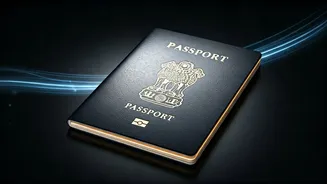
This experience isn't universal, and that's the point. Global mobility is a tiered system, often quantified by metrics like the Henley Passport Index, which ranks passports by the number of destinations their holders can access without a prior visa. While passports from countries like Japan, Singapore, and many in Western Europe grant easy entry to nearly 200 destinations, others offer far less freedom. For years, the Indian passport hovered in the lower half of these rankings. This disparity isn't just about inconvenience; it’s a constant reminder of global hierarchies. It dictates where you can go spontaneously, where you can afford to go, and even how welcome you feel. The stress isn't just logistical; it's psychological. It's the feeling of having to prove your worthiness to take a simple vacation that citizens of other countries take for granted.
The Joy of a Spontaneous 'Yes'
This is why the growing trend of countries offering visa-free access or visa-on-arrival to Indian citizens is such a profound relief. Recently, popular destinations like Thailand, Malaysia, and Sri Lanka have waived visa requirements, joining a list of dozens of other countries that welcome Indian tourists with open arms. The change is transformative. Suddenly, a long weekend in a neighboring country is not a three-month planning project but a spontaneous decision. It means seeing a deal on a flight to Kenya for a safari and being able to book it without a second thought about embassy appointments. It means exploring the historic landscapes of Iran or the pristine beaches of Fiji on a whim. The conversation shifts from, 'Can I even get a visa?' to 'Where should we go next?' This newfound freedom is unlocking a world of travel for an entire generation of middle-class Indians who have the means and desire to explore but were previously held back by red tape.
More Than Just a Stamp in a Book
Ultimately, the move toward visa-free travel is about more than just tourism economics. For the traveler, it’s a powerful gesture of welcome and respect. It removes a significant barrier of suspicion and replaces it with an assumption of goodwill. This shift dismantles the feeling of being a supplicant and replaces it with the dignity of being a guest. It allows travel to be what it should be: an act of discovery, connection, and joy, not an exercise in administrative endurance. As more countries recognize the economic and cultural benefits of welcoming Indian tourists, the stress of travel is slowly being replaced by the simple, profound freedom of just being able to go.