
The Peel’s Hidden Power
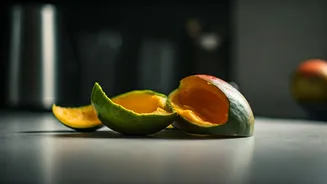
We think of the mango’s sweet, juicy flesh as the prize, but the skin is a nutritional powerhouse in its own right. Mango peels are loaded with fiber, which is great for digestion, and they contain a significant concentration of antioxidants like mangiferin,
carotenoids, and polyphenols. These compounds are celebrated for their potential to combat cellular damage. The peel also packs a punch with vitamins C and E. By using the peel, you’re not just reducing food waste; you’re capturing the full nutritional profile of the fruit. It’s the ultimate win-win for the eco-conscious and health-conscious foodie, transforming a scrap item into a nutrient-dense ingredient.
A Crucial Word of Caution
Before you dive in, there are important safety considerations. Mango peels contain urushiol, the same compound found in poison ivy and poison oak. For individuals with a sensitivity to these plants, consuming mango skin can trigger an allergic reaction, ranging from an itchy rash around the mouth to more severe responses. If you have a known sensitivity, it’s best to avoid mango peels altogether. Furthermore, the peel's texture can be tough and fibrous, and the flavor can be slightly bitter. To mitigate this, always choose organic, unwaxed mangoes to avoid ingesting pesticides. Wash them vigorously under running water, scrubbing with a vegetable brush to ensure they are perfectly clean before you even think about slicing.
Prepping Peels for Prime Time
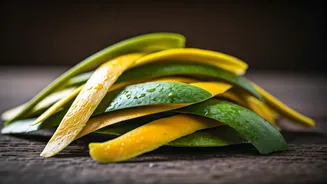
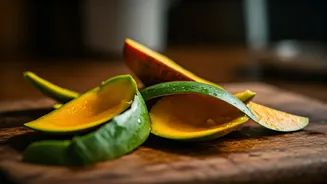
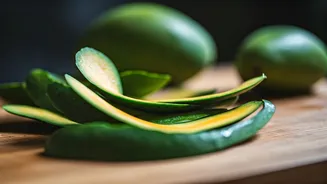
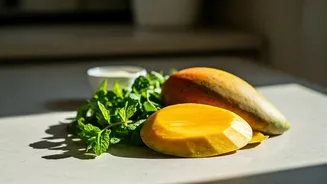
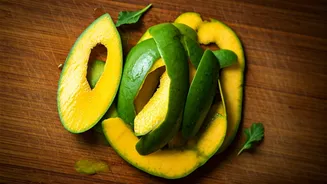
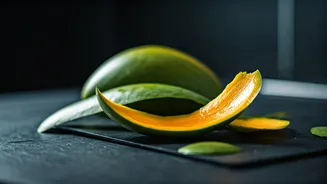
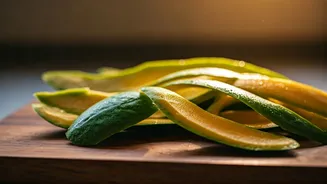
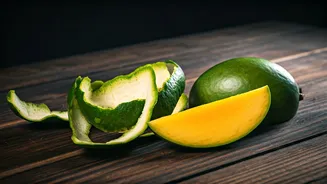
Proper preparation is the key to turning a tough, potentially bitter peel into a culinary delight. First, select the right mango. Thin-skinned varieties like the yellow Ataulfo (or Honey) mango are ideal, as their peels are less fibrous and more palatable than the thicker-skinned red and green varieties. After washing thoroughly, use a sharp vegetable peeler or knife to remove the skin in long, thin strips. From there, you can use a knife to julienne the strips into matchstick-thin pieces. The thinner you slice, the better the texture will be. This simple prep work is the foundation for all the delicious applications to follow.
Recipe Idea: Zesty Mango Peel Slaw
This is perhaps the easiest and most direct way to use your prepared peels. The slight bitterness and floral notes of the peel act much like citrus zest, providing a bright counterpoint in savory dishes. Finely julienne the peel of one organic mango. In a bowl, combine it with shredded cabbage, carrots, and thinly sliced red onion. For the dressing, whisk together the juice of one lime, a tablespoon of olive oil, a teaspoon of honey or agave, and a pinch of salt. Toss everything together and let it sit for about 10 minutes to allow the flavors to meld. The result is a crunchy, vibrant slaw that’s perfect alongside grilled chicken, fish tacos, or on a pulled pork sandwich.
Recipe Idea: Quick-Pickled Mango Peels
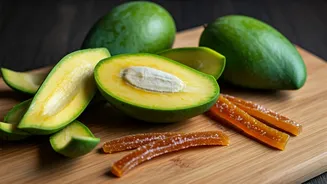
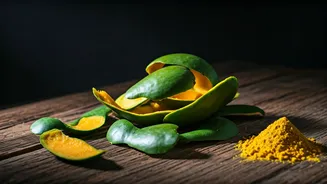
Pickling is a fantastic way to tame the peel's texture and bitter notes, transforming it into a tangy, addictive condiment. Take the thoroughly washed peels of two mangoes and slice them into thin strips. Pack them into a clean glass jar. In a small saucepan, combine 1 cup of apple cider vinegar, 1/2 cup of water, 1/4 cup of sugar, and a tablespoon of salt. You can also add spices like a few black peppercorns, a slice of ginger, or a star anise. Bring the mixture to a simmer, stirring until the sugar and salt dissolve. Pour the hot brine over the mango peels in the jar, seal it, and let it cool. Refrigerate for at least 24 hours before using. These pickles are incredible on charcuterie boards, chopped into salads, or as a garnish for rich, savory curries.