

The Primary Threat: Drowning Roots
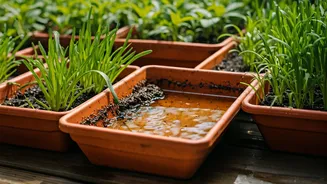
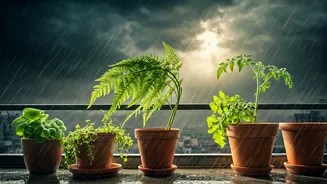
The most immediate victim of standing water is your plant’s root system. While it seems counterintuitive, too much water is far more dangerous than too little. When soil becomes saturated, water fills all the tiny air pockets that roots depend on for
oxygen. Without oxygen, roots can't perform their essential functions of absorbing nutrients and water. They effectively drown. This condition, known as root rot, starts a rapid decline. Leaves may turn yellow, wilt even when the soil is wet, and eventually drop off. Once root rot sets in, it’s incredibly difficult to reverse, often leading to the plant’s demise.
An Open Invitation for Pests and Disease
Soggy soil and puddles in plant saucers create a perfect breeding ground for a host of unwelcome guests. Fungus gnats, those annoying little black flies that hover around your plants, lay their eggs in consistently moist topsoil. Their larvae then feed on organic matter and tender roots, adding insult to injury. More seriously, standing water is a major draw for mosquitoes, which can lay eggs in even a small amount of stagnant water, turning your relaxing balcony into a buzzing nuisance. Furthermore, overly wet conditions promote fungal diseases like powdery mildew and downy mildew, which can quickly spread from leaf to leaf, diminishing your garden's health and beauty.
Damage Beyond the Planter
The danger isn’t confined to your plants. Constantly waterlogged saucers or pots sitting directly on your balcony surface can cause significant, long-term damage. If you have a wooden deck, trapped moisture will accelerate rot, weakening the structure and creating costly repairs. On concrete or stone balconies, persistent dampness can lead to ugly staining, mineral deposits (efflorescence), and even cracking or spalling over time, especially in climates with freeze-thaw cycles. Metal railings or furniture legs can rust. Protecting your plants from standing water is also about protecting the structural integrity and appearance of your entire outdoor space.
Solution: Start with the Right Foundation
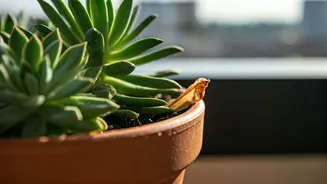
Proper drainage begins with your container and soil. First, never use a pot without a drainage hole—no exceptions. If you fall in love with a decorative pot that lacks one, use it as a cachepot (a decorative outer pot) and keep your plant in a plastic nursery pot with holes inside it. Second, resist the old myth of adding a layer of gravel or rocks to the bottom of your pot. This doesn't improve drainage; it creates a perched water table, forcing the soil above it to stay even soggier. Instead, use a high-quality, well-draining potting mix. For plants that are particularly sensitive to wet feet, like succulents or herbs, amend your mix with extra perlite or coarse sand to increase porosity.
Solution: Elevate Your Plant Game
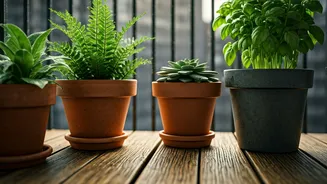
One of the simplest and most effective changes you can make is to get your pots off the ground. When a pot sits flat against the balcony surface, the drainage hole can easily get blocked, and water becomes trapped underneath. This prevents air circulation and keeps the base of the pot perpetually wet. Use “pot feet,” small wedges made of terracotta, plastic, or rubber, to lift your containers by just a half-inch or so. This tiny gap allows water to flow away freely and air to circulate, which helps the soil dry out more evenly and protects your balcony surface from stains and moisture damage. Plant stands serve the same excellent purpose while adding a decorative, vertical element to your garden design.
Solution: Master the Art of Watering
Finally, adjust your watering habits. Don't water on a rigid schedule. Instead, check the soil first. The best method is to stick your finger about two inches deep into the soil. If it feels dry at that depth, it’s time to water. When you do water, do so thoroughly until you see water running out of the drainage hole. This ensures the entire root ball is hydrated. After about 15-20 minutes, dump out any excess water that has collected in the saucer. Never let your plants sit in a tray full of water. This single habit—emptying the saucer—is your number one defense against the problems caused by standing water.