

Why This Trend is Taking Root
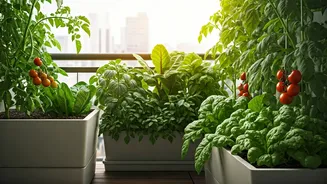
The surge in balcony gardening isn’t just about aesthetics; it's a response to modern desires for sustainability, better health, and a deeper connection to our food. After years of grocery store uncertainty and a growing awareness of food miles, the power
to cultivate your own produce is incredibly appealing. For many, it's also a form of accessible wellness. Tending to plants has been shown to reduce stress and improve mental clarity. In a world of concrete and steel, a small patch of green offers a vital, living escape. It’s a hobby that pays you back, not just in fresh herbs and tomatoes, but in peace of mind and a sense of accomplishment.
Know Your Space: Sun and Wind
Before you buy a single seed, become a student of your balcony. The single most important factor for success is sunlight. Use your phone's compass to determine which direction your balcony faces. A south-facing balcony is a full-sun paradise, ideal for heat-loving plants like tomatoes, peppers, and cucumbers. East-facing balconies get gentle morning sun, perfect for lettuces, spinach, and herbs. West-facing spots get hot afternoon sun, while north-facing is the most challenging, best suited for shade-tolerant greens and some herbs. Also, consider wind. Higher-floor balconies can be blustery, so you may need to create windbreaks or choose shorter, sturdier plants.
Choose the Right Containers and Soil
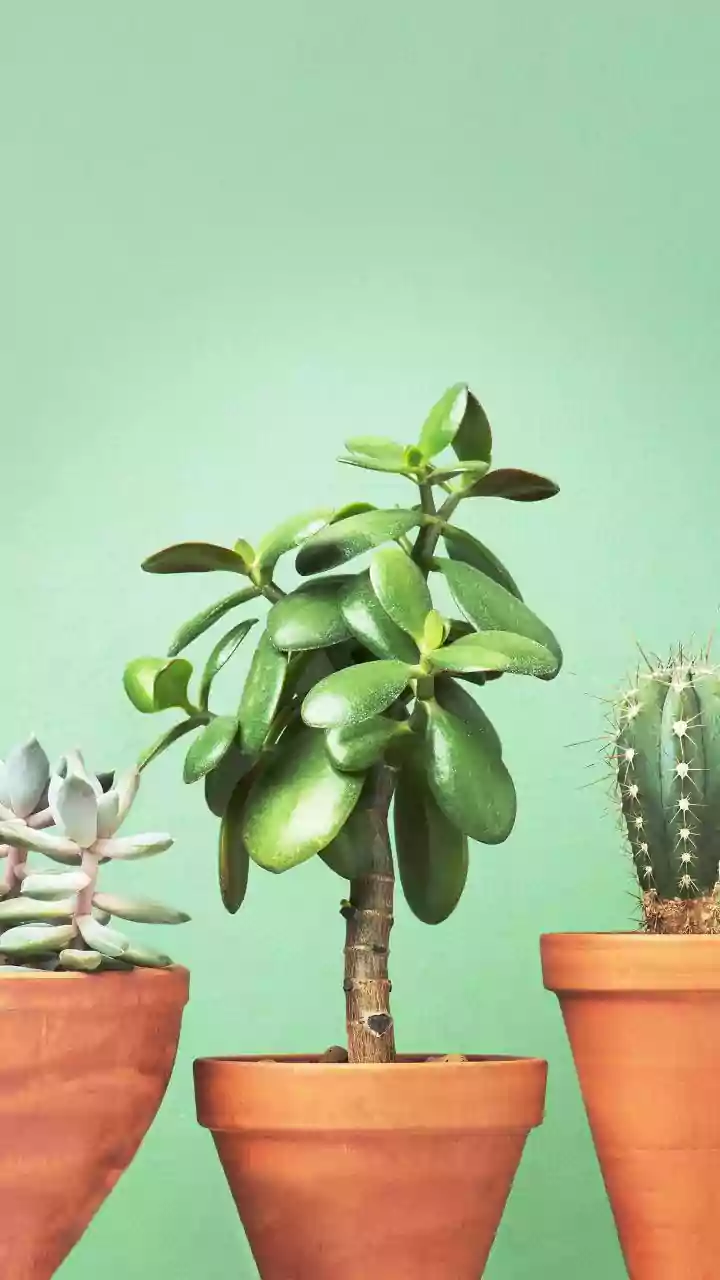
Container choice is about more than just looks. The golden rule is drainage. Every pot must have holes in the bottom to prevent roots from rotting in standing water. When it comes to material, terra cotta is classic but dries out quickly. Plastic and glazed ceramic pots retain moisture better but are less breathable. For balconies, lightweight fabric grow bags are an excellent, affordable option that promotes healthy root growth. Whatever you choose, do not use soil from your yard. It’s too heavy, compacts easily, and can contain pests. Instead, buy a high-quality, lightweight potting mix specifically designed for containers. It will provide the right balance of drainage, aeration, and nutrients.
Start with Beginner-Friendly Crops
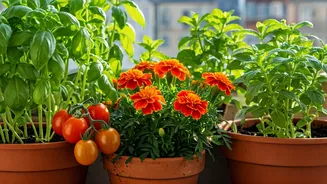
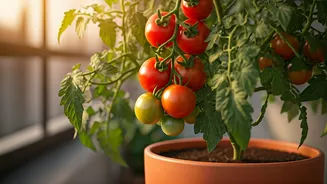
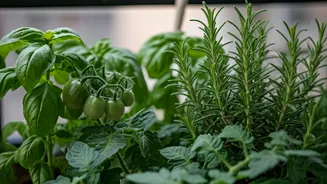
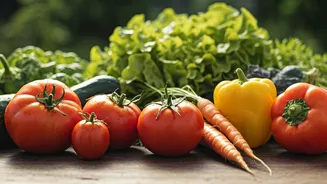
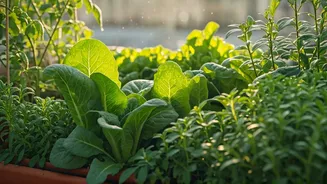
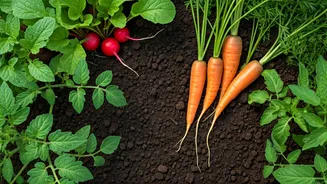
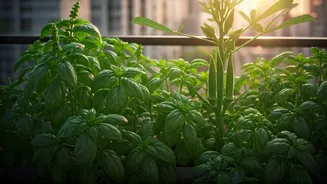
Your first foray into balcony gardening should be encouraging. Set yourself up for success by choosing plants that are known to thrive in containers. Leaf lettuce is a star performer; you can continually harvest outer leaves for weeks. Radishes grow incredibly fast, offering a quick reward. Bush beans are far more manageable than their pole-climbing cousins. For herbs, mint (keep it in its own pot!), basil, chives, and parsley are nearly foolproof. If you have at least six hours of sun, try a 'determinate' or 'patio' variety of tomato, which are bred to stay compact. A single cherry tomato plant can produce a surprising bounty in a five-gallon pot.
Think Vertically to Maximize Space
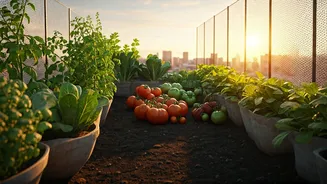
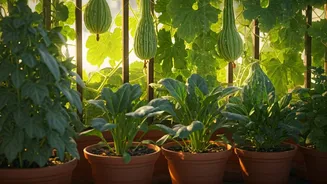
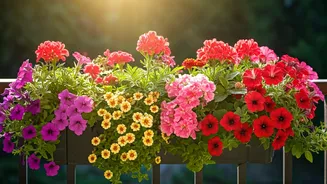
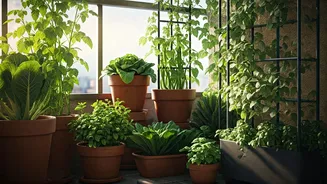
On a small balcony, floor space is prime real estate. The secret to a lush, productive garden is to think vertically. Use railing planters for herbs and flowers, which also frees up the floor. Install a trellis against a wall for vining plants like peas or cucumbers to climb. Hanging baskets are perfect for trailing plants like strawberries or cherry tomatoes. You can even find multi-tiered planter stands that create a 'wall' of green, allowing you to grow a wide variety of plants in a tiny footprint. Using vertical space not only increases your growing capacity but also creates a beautiful, immersive green sanctuary.
Watering: The Most Common Hurdle
The number one mistake new container gardeners make is improper watering—either too much or too little. Containers dry out much faster than garden beds, especially on a sunny, windy day. Forget a rigid schedule. Instead, learn to check the soil. Stick your finger about two inches deep; if it feels dry, it's time to water. Water thoroughly until you see it run out the drainage holes at the bottom. This ensures the entire root ball is saturated. In the peak of summer, you may need to water every day. Self-watering containers, which have a built-in reservoir, can be a great investment for busy people or those who travel.