






The End of the Quick-Fix Promise
Remember the cycle? A big event looms, so you commit to a wildly restrictive plan that promises to melt away ten pounds in two weeks. For a few miserable days, you subsist on grapefruit and air, feeling irritable and deprived. Maybe the scale budges,
but the moment you return to normal life, the weight—and a little extra—comes roaring back. This is the exhausting, demoralizing cycle of the crash diet, a cultural staple that has defined our relationship with food for generations. It’s built on a foundation of deprivation, shame, and the false promise of a quick fix. But across the country, a growing number of people are calling it quits, not on their health goals, but on the destructive methods they once used to pursue them. The backlash against “diet culture” has officially gone mainstream, and it’s about time.
What's Driving This Major Shift?
This isn't a random change of heart; it’s a cultural correction fueled by several powerful forces. First, the body positivity and body neutrality movements have gained significant traction, encouraging people to accept and respect their bodies rather than constantly trying to shrink them. Social media, once a hotbed for “thinspiration,” has become a platform for a new generation of registered dietitians and nutritionists who actively debunk diet myths. Their message is clear: restriction backfires. They advocate for “intuitive eating” and a non-diet approach, teaching followers to listen to their body’s hunger and fullness cues instead of following arbitrary rules. Furthermore, our collective understanding of “wellness” has expanded. It’s no longer just about physical size; it’s about mental clarity, stable energy, and reducing stress—all things that crash dieting actively undermines. People are finally realizing that a plan that makes you miserable isn't a wellness plan at all.
Defining the 'Good Meal'
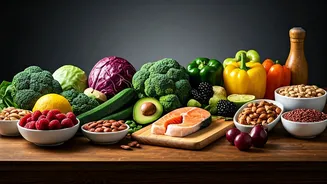
So, if crash diets are being dumped, what’s taking their place? The answer is beautifully simple: good meals. But “good” here doesn’t mean morally superior or perfect. It means satisfying, nourishing, and sustainable. This new philosophy isn’t about swapping one set of restrictions for another. It’s about addition, not subtraction. Instead of asking, “What can’t I eat?” the question becomes, “What can I add to my plate to make this more delicious and nutritious?” A “good meal” is built on whole foods: lean proteins, healthy fats, complex carbohydrates, and a riot of colorful vegetables. It’s about understanding that a balanced plate provides the fuel your body needs to function optimally. It’s also about pleasure. This approach makes room for the foods you genuinely love, enjoyed mindfully and without guilt. It’s the difference between forcing down a dry rice cake and savoring a piece of dark chocolate, or between a sad salad and one loaded with grilled chicken, avocado, nuts, and a flavorful dressing.
The Benefits Go Beyond the Scale
Perhaps the most compelling reason people are sticking with this new approach is that the benefits extend far beyond weight management. Ditching the diet cycle has profound effects on overall well-being. Eating regular, balanced meals stabilizes blood sugar, which in turn prevents energy crashes and mood swings. When you’re not constantly battling hunger and cravings, you free up immense mental space that was once occupied by calorie counting and food anxiety. This fosters a healthier, more peaceful relationship with food, where eating is a source of nourishment and joy, not stress and guilt. Physically, this approach supports long-term health. It provides the necessary nutrients for a strong immune system, healthy hair and skin, and consistent energy for workouts and daily life. Unlike the temporary results of a crash diet, the benefits of a sustainable eating pattern compound over time, leading to a healthier and happier life in the long run.