

More Than a Health Fad
When you hear “ancestral diet,” your mind might jump to the Paleo or Keto trends that have swept the U.S. But in India, this isn't about mimicking cavemen or cutting carbs for a beach body. It’s a deeper, more meaningful return to pre-colonial and pre-industrial
foodways. For decades, the country's diet, like much of the world's, has become increasingly reliant on a few staple crops—primarily refined wheat and white rice—and processed foods. The 'Green Revolution' of the mid-20th century, while credited with preventing famine, also pushed out a vast diversity of regional crops in favor of high-yield monocultures. This modern revival is a conscious course correction. It’s a movement driven by a desire for better nutrition, environmental sustainability, and a reclamation of cultural identity through flavor. It's less a diet and more a culinary philosophy rooted in place and time.
The Mighty Millet's Comeback
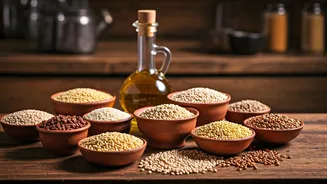
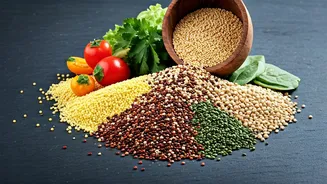
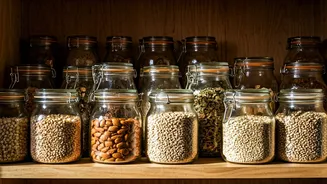
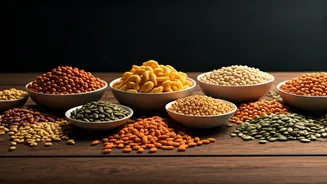
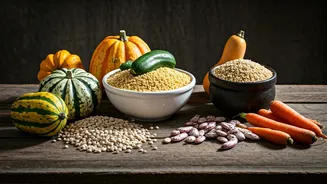
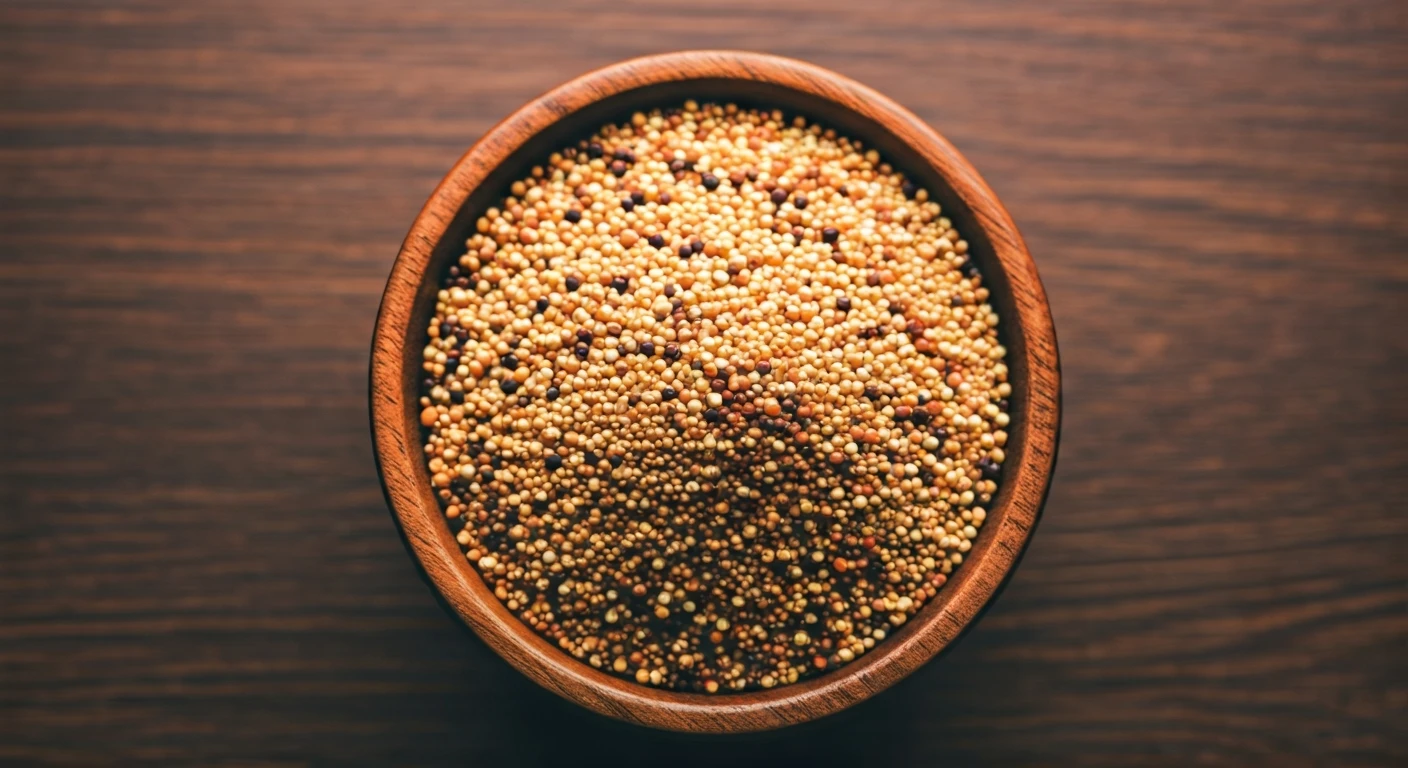
The poster child for this delicious throwback is the humble millet. Think of it as India’s answer to the quinoa craze, but with far deeper roots. For thousands of years, dozens of varieties of these small-seeded grasses—like ragi (finger millet), jowar (sorghum), and bajra (pearl millet)—were the bedrock of Indian cuisine. They are nutritional powerhouses, packed with fiber, protein, and micronutrients. More importantly in a changing climate, they are famously resilient, requiring little water and thriving in poor soil where wheat and rice falter. After being relegated to 'poor people’s food' for generations, millets are now starring in the country's trendiest cafes and home kitchens. You'll find them in everything from fluffy pancakes and hearty porridges to crispy dosas and even artisanal breads, lending a nutty, earthy flavor that modern grains often lack.
Rediscovering Regional Flavors
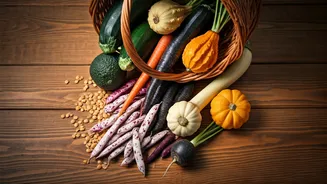
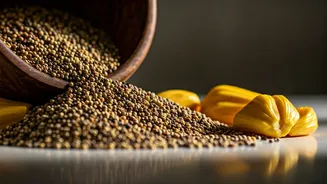
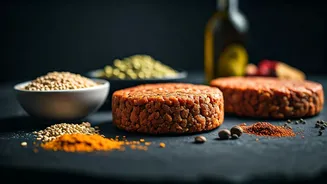
This revival extends far beyond grains. It’s a celebration of hyper-local, seasonal produce that was once pushed aside by standardized supermarket fare. Chefs and home cooks are championing forgotten greens, wild tubers, and indigenous vegetables that offer a universe of flavors. Think of dishes made with moringa (drumstick leaves), a nutrient-dense green with a slightly bitter, spinach-like taste, or the versatile jackfruit, which is used in its unripe form as a savory meat substitute with a satisfyingly stringy texture. This is India’s version of the farm-to-table movement, but with a twist of culinary archaeology. It's about finding flavor in ingredients that are perfectly adapted to their environment, connecting eaters to the specific soil and season of a particular region.
The Taste of Tradition
So what makes these ancestral diets so 'delicious'? The secret lies not just in the ingredients, but in the methods. The movement champions traditional cooking techniques that industrialization nearly erased. This includes slow-cooking in earthenware pots, which allows for a gentle, even heat that coaxes deep, complex flavors from simple ingredients. It means embracing fermentation to create gut-friendly pickles, chutneys, and batters that have a tangy, umami-rich character. It also involves a return to traditional, cold-pressed oils and ghee (clarified butter) over refined vegetable oils. These fats not only carry flavor more effectively but also add their own distinct richness. The result is food that doesn’t just fill you up; it tastes profoundly of its place and its history, offering a sensory depth that is both comforting and exciting.