





The Garden's Heat-Seeking Missile
While other vegetables wilt and protest under the high summer sun, okra thrives. It’s a true heat-loving crop, a characteristic rooted in its African and South Asian origins. Okra doesn’t just tolerate heat; it demands it. The plant’s metabolic engine
kicks into high gear when temperatures consistently climb above 80°F. This is why gardeners in cooler climates struggle with it, while those in the South and Midwest watch it explode with growth. Other summer staples like tomatoes and peppers can become stressed in extreme heat, dropping blossoms and halting production. Okra, by contrast, accelerates. This unique trait makes it a brilliant strategic choice. Instead of fighting the heat, you can plant something that uses it as fuel, ensuring your garden remains productive even during the most sweltering weeks of the year.
Beating the Clock Before the Storms
The phrase "before the rains" is key. In many parts of the country, particularly the South and Gulf Coast, summer brings a pattern of intense heat followed by powerful afternoon thunderstorms or prolonged wet spells. This can be disastrous for vegetables prone to fungal diseases or root rot. Okra’s speed is its superpower in this scenario. Most varieties go from seed to first harvest in just 50 to 65 days. Once the plants start producing, they work at an astonishing pace. This means you can get a significant harvest locked in before the late-summer deluges create a hostile, waterlogged environment for your garden. It’s a crop that offers a sense of security; by planting okra, you’re betting on a fast, reliable performer that can deliver the goods while other, more finicky plants are still finding their footing.
Your Planting Game Plan
Success with okra starts with timing and technique. Don’t rush to plant in the cool spring soil. Okra seeds need warmth to germinate, so wait until the soil temperature is consistently at least 65-70°F. For many, this means planting in late May or even early June. To give them a head start, many veteran gardeners soak the notoriously hard seeds in warm water for 12-24 hours before planting. This simple step can significantly speed up germination. Plant the seeds about one inch deep and 12-18 inches apart in a spot that receives full, unrelenting sun—the more, the better. Okra isn’t picky about soil, but it does appreciate well-drained ground. Once the seedlings are established, they are impressively drought-tolerant, though consistent watering will yield a more tender and abundant crop.
From Flower to Pod in a Flash
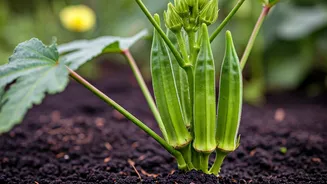
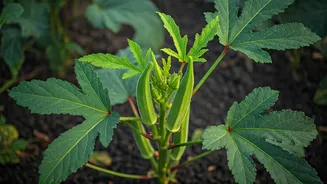
The real magic of okra’s speed becomes apparent once the plant starts to flower. The beautiful, hibiscus-like blossoms are a sight to behold, but they don't last long. A flower that blooms in the morning will drop its petals by the afternoon, leaving behind a tiny, embryonic okra pod. From that moment, the clock is ticking. Under ideal hot and sunny conditions, that tiny nub can grow into a harvestable 3-to-4-inch pod in as little as two to three days. This is where many new growers make a mistake: they blink and miss it. Pods left on the plant for even a day too long can become woody and tough. The key to a successful okra patch is daily vigilance. Make a habit of checking your plants every morning and harvesting any pods that have reached the perfect size. The more you pick, the more the plant will produce, turning your patch into a non-stop vegetable factory for weeks on end.