


The Post-Pandemic Accelerator
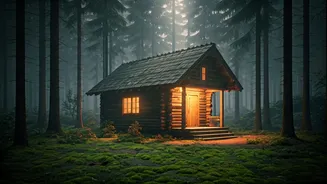
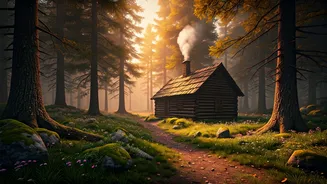
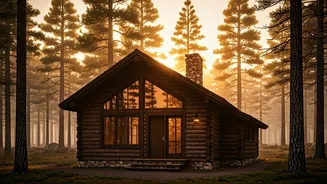
Not long ago, a cabin trip might have conjured images of a dusty, spider-webbed family heirloom or a spartan shelter for hardcore hikers. Today, it represents the pinnacle of accessible luxury and restorative travel. While the desire to escape urban life
isn't new, the pandemic supercharged the trend. Suddenly, the isolation that once seemed like a drawback became the primary selling point. A cabin offered a controllable environment, a destination reachable by car, and a profound sense of privacy that hotels couldn't guarantee. Travel data from platforms like Airbnb and Vrbo showed a dramatic spike in searches for rural and secluded properties, a surge that hasn't subsided. What began as a practical solution to travel restrictions has revealed a deeper, more enduring craving for quiet, self-contained sanctuaries. The cabin getaway moved from a niche interest to a mainstream ideal for resetting a frazzled nervous system.
From Rustic Retreat to Curated ‘Vibe’
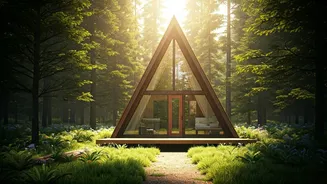
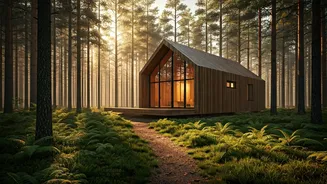
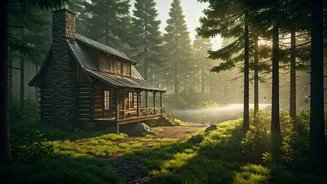
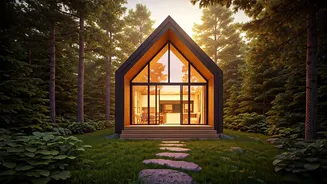
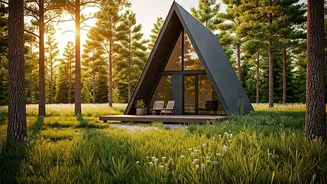
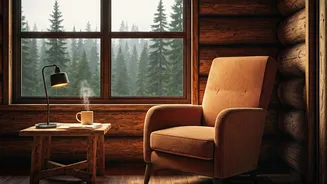
Parallel to this practical shift was an aesthetic revolution. On Instagram and TikTok, the hashtag #cabinlife exploded, showcasing a highly curated version of rustic living. This isn't your grandfather’s drafty hunting lodge. The modern dream cabin is a work of art, featuring floor-to-ceiling windows, minimalist Scandinavian furniture, a crackling fireplace, an outdoor hot tub, and, crucially, a strong Wi-Fi signal for that perfect “I’m disconnecting” post. This aesthetic, often dubbed “cabin core,” is a cousin to cottagecore and the Danish concept of hygge. It romanticizes simplicity but with modern comforts. It’s about the feeling of being rugged and self-sufficient without sacrificing thread count. This social media amplification has turned the cabin into more than a place; it's a 'vibe,' a visual shorthand for a life that is slower, more intentional, and deeply connected to nature.
The Search for Digital Detox
At its heart, the cabin boom is a direct response to modern burnout. In an era of endless notifications, relentless productivity culture, and screen-induced fatigue, the cabin offers a promise of genuine disconnection. It’s a place where the primary activities are reading a book, staring into a fire, walking in the woods, and simply being present. Companies like Getaway have built their entire business model on this premise, offering tiny, minimalist cabins within a few hours’ drive of major U.S. cities. Their cabins famously include a cellphone lockbox, a gentle but firm nudge for guests to unplug. The appeal isn’t about roughing it; it’s about recalibrating. For many, a weekend in a cabin is less a vacation and more a form of mental and emotional maintenance—a scheduled break from the noise of a hyper-connected world.
An Evolving Dream
What started as a weekend phenomenon is now bleeding into the work week. The rise of remote and flexible work has transformed the potential of a cabin getaway. It’s no longer just a 48-hour escape. For those untethered from a physical office, a “work-from-cabin” week has become a popular way to break the monotony of the home office. This extended stay allows for a deeper immersion in the restorative environment, blending productivity with the peace of a natural setting. The dream is no longer just to visit the woods, but to temporarily live there. This has broadened the market, with renters looking for longer-term stays and property owners adapting their offerings with amenities like dedicated workspaces and high-speed internet, perfecting the balance between rustic escape and practical reality.